





Choosing between a PVC vs gypsum false ceiling isn’t just a design decision, it directly impacts durability, maintenance, cost, and the overall finish of your space. Today, a wide range of homeowners and businesses hiring an interior fit out company in Dubai for false ceilings often ask questions like which option is the perfect choice to bring long-term value?
Both PVC and gypsum false ceilings are strong contenders with high demand, but serve distinct purposes. From resisting moisture and increasing speed to design flexibility and visual appeal, each false ceiling offers advantages depending on your space, climate, and expectations.
Still have questions about the PVC vs Gypsum false ceiling options? Keep reading, as here we will explore everything about both options.
Understanding PVC False Ceilings
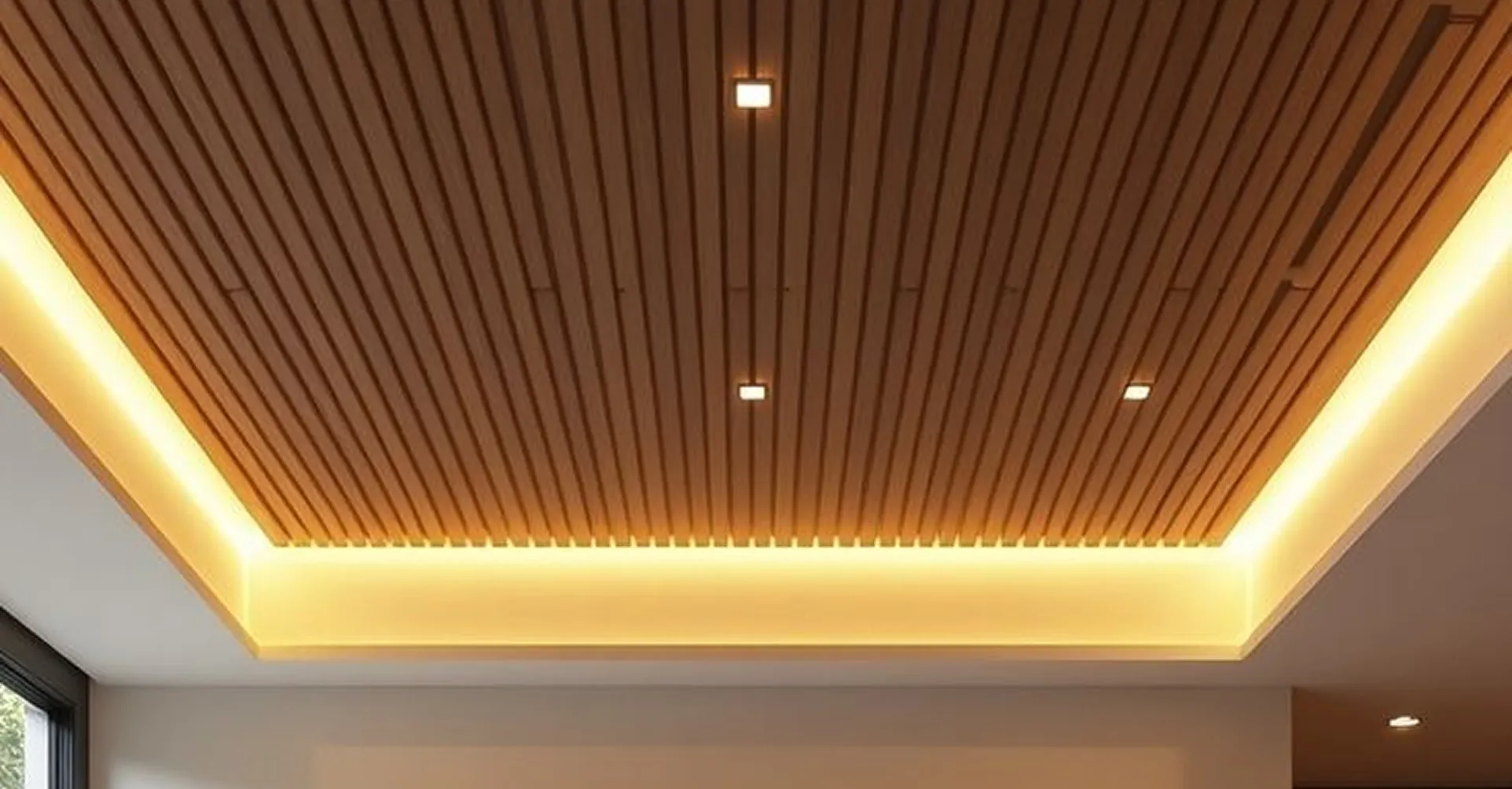
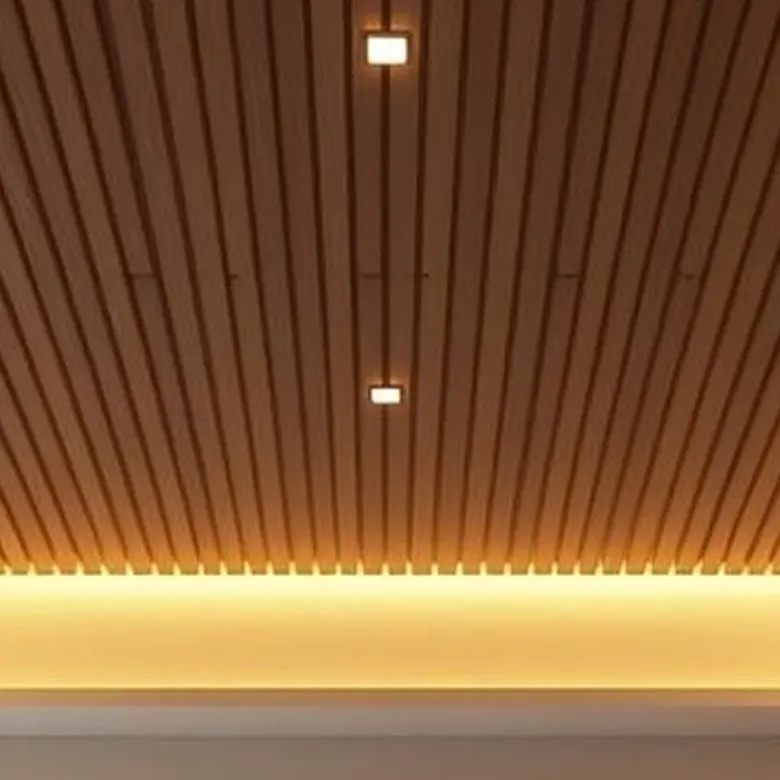
PVC false ceilings are made from light plastic panels. They are strong enough and are not degraded by water. People choose it when they want something simple that requires little care.
Key Characteristics of PVC Ceilings
They make a quick fix for modern homes.
- Very good against water and humidity
- Light and easy to carry
- Come in different textures and colors
PVC is popular in rooms where strength and easy care matter more than fancy looks.
About Gypsum False Ceilings
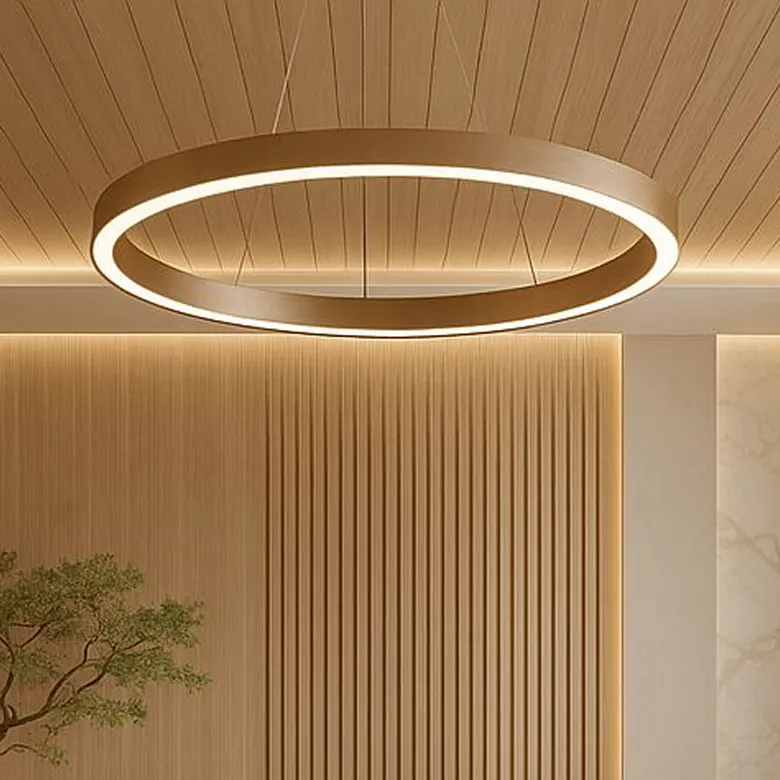
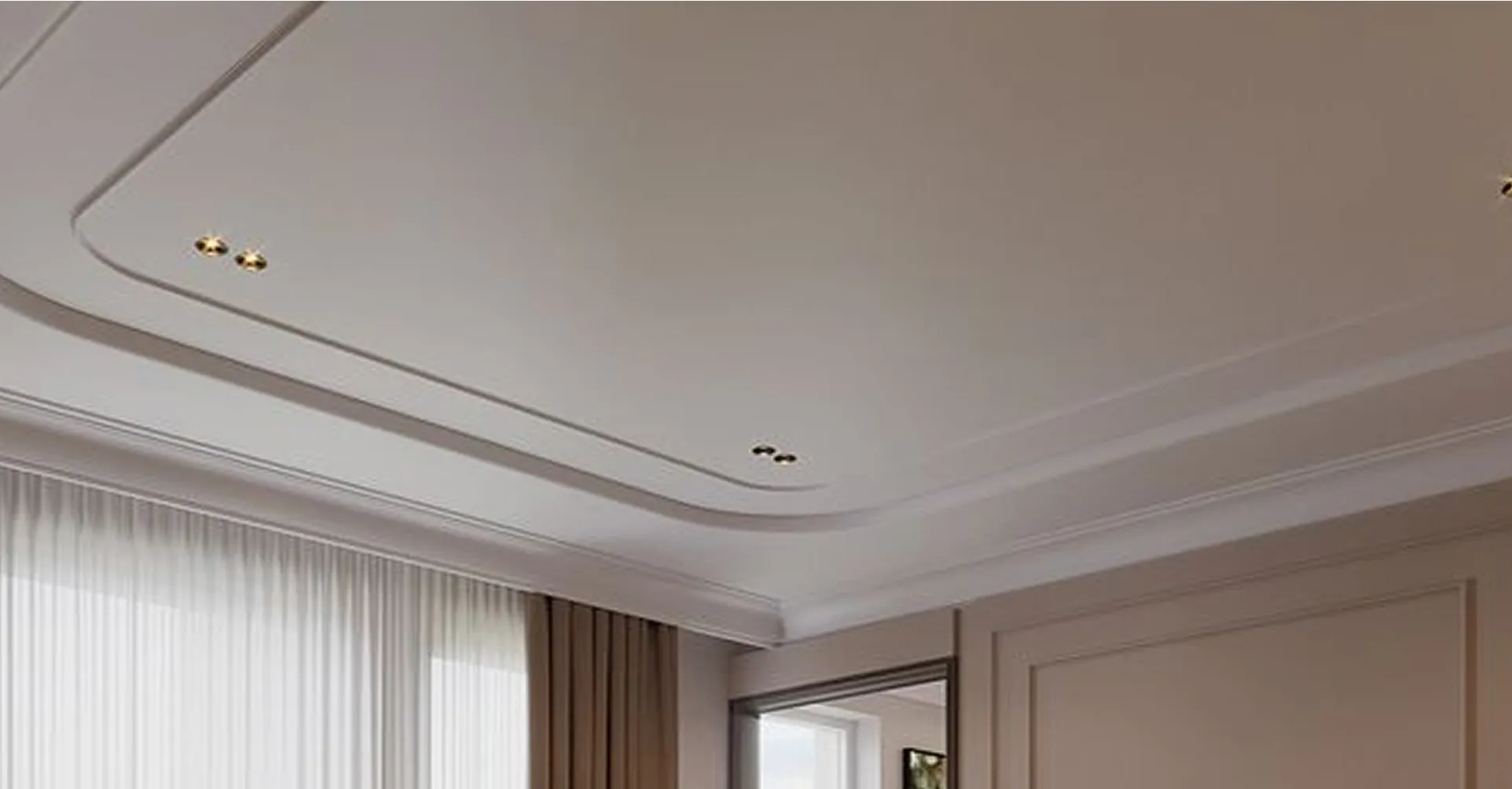
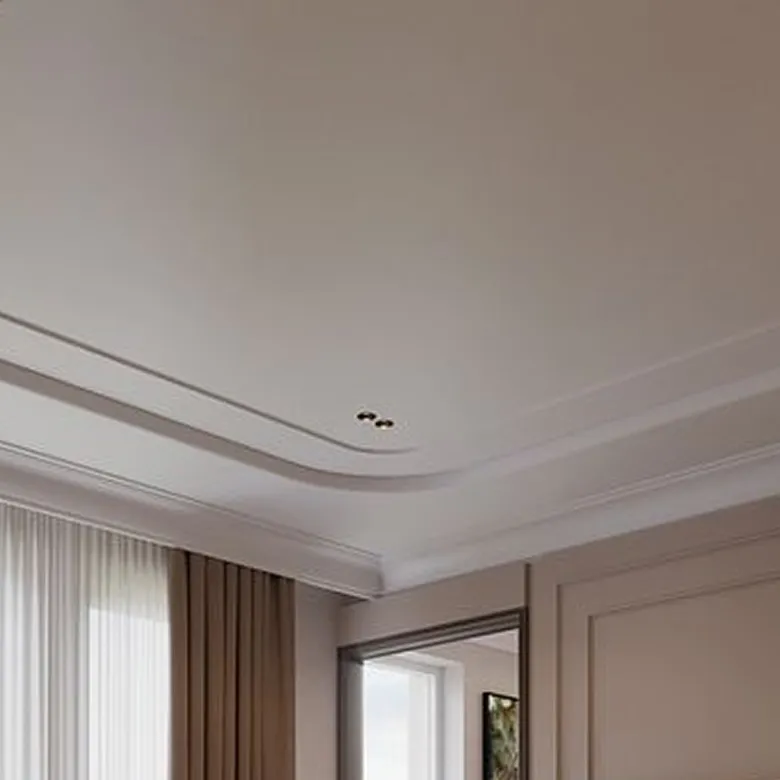
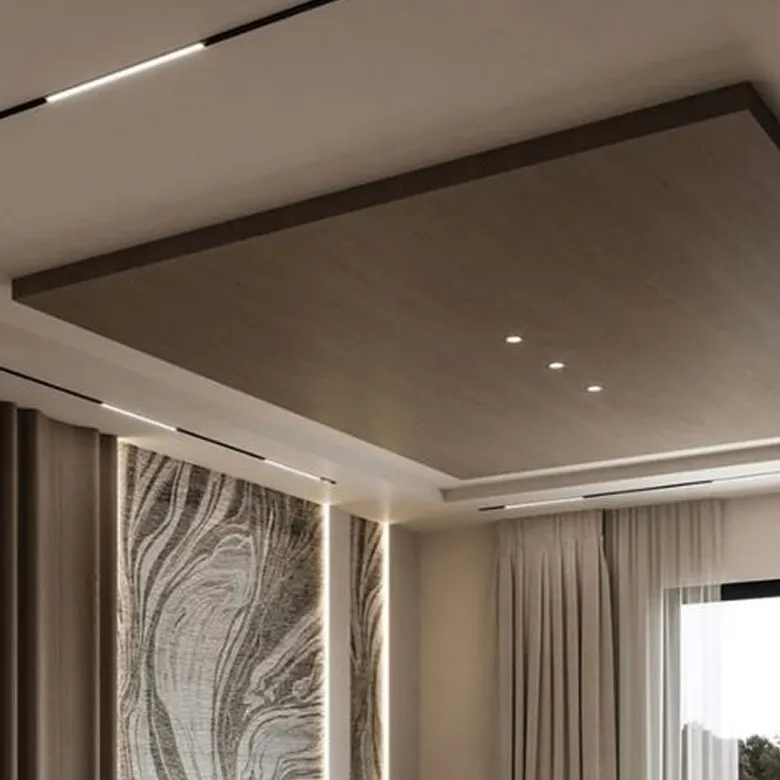
Gypsum false ceilings, often compared with pop false ceiling designs, use gypsum boards fixed to a metal frame. This creates a flat surface you can shape however you like. Gypsum board ceilings offer many design options and are common in family homes.
Key Characteristics of Gypsum Ceilings
People choose gypsum because it looks clean and high-end. You can add all kinds of details.
- Smooth finish with no joins showing
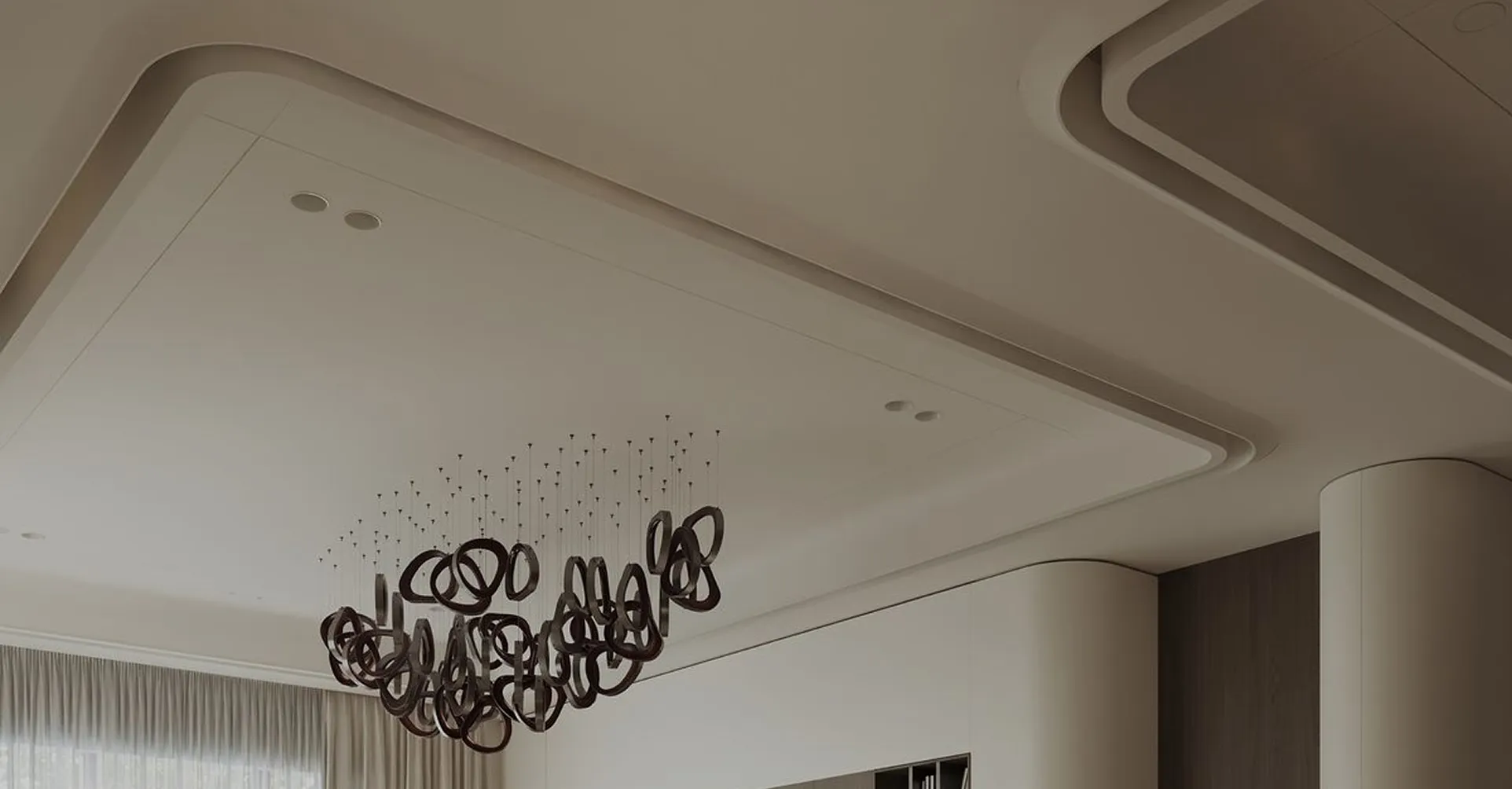
- Great for hidden lights or layered designs
- You can make almost any shape or pattern
It is often used in stylish and luxurious homes.
PVC vs Gypsum False Ceiling: Key Summary
Here is a quick summary of PVC vs Gypsum False Ceiling to help you make the right choice that suits your requirements.
8 End-to-End Differences Between PVC vs Gypsum False Ceiling
Taking a closer look at the actual use of PVC and gypsum in real life helps individuals choose the option that best fits their daily routine, style ambitions, and level of care in the future. Here is a list of 8 differences between PVC vs Gypsum False Ceiling.
1. Material Composition
PVC is made from plastic. It stays light and keeps water out completely. Gypsum uses natural boards attached to metal. It feels solid and works well inside homes.
2. Visual Finish and Aesthetic Appeal
PVC panels are pre-designed with limited customization options. Gypsum gives a flat, even surface you can paint or shape. It results in a more elegant, premium interior appearance.
3. Design Flexibility
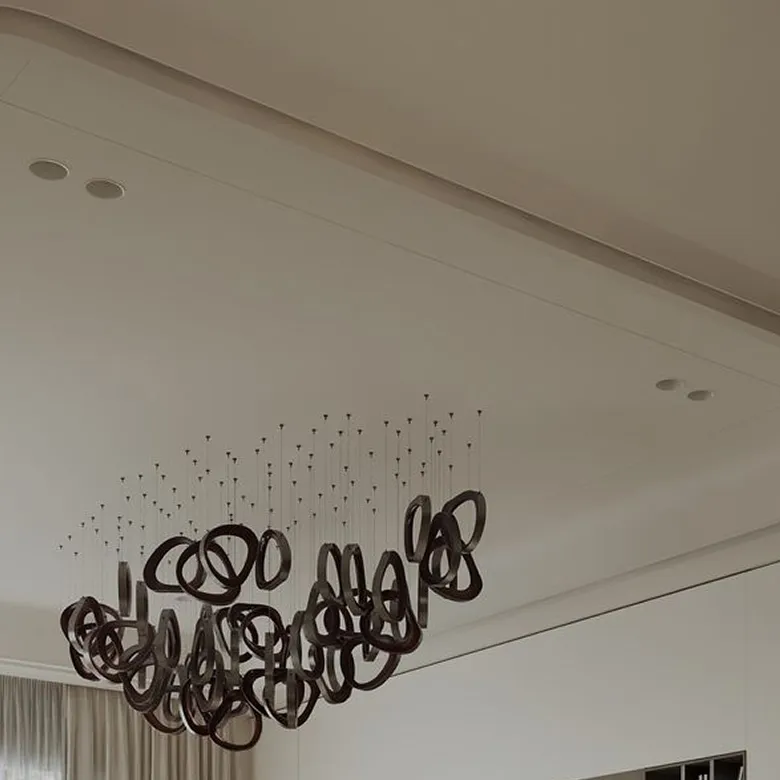
PVC comes in modular form and can limit the creation of complex patterns or curves. No curves or complex patterns. Gypsum lets you do recessed lights, drop levels, and detailed designs, similar to what you achieve with a pop false ceiling. It suits the modern residential interiors.
4. Moisture and Water Resistance
PVC performs well in moist/humid environments. Water does not hurt it. Gypsum is powerful, but water can spoil it in the long run if it becomes excessively wet.
5. Installation Process
PVC is installed quickly because the panels are pre-finished, requiring less on-site maintenance. Gypsum is more time-consuming because you have to fill in the gaps, flatten it out, and paint, but it gives you a more tailored finish.
6. Maintenance Requirements
PVC needs almost no maintenance and can be cleaned easily with basic wiping. When it gets dusty, just wipe it off. Gypsum may want a repaint after a set period or minor repairs to maintain that desirable flat appearance.
7. Durability and Longevity
PVC is resistant to termites, rust, and water. It lasts well in tough spots. Gypsum offers strong structural performance indoors and maintains design integrity for years under proper conditions.
8. Cost vs Long-Term Value
PVC is economical at the start because it is less expensive and requires little maintenance. Gypsum can cost more upfront, but it can improve your home's appearance and increase its value over time.
How to Choose Between PVC and Gypsum
The ideal option is not determining which one wins. It is more concerning what suits your rooms, your routine, and what you want to see. One of them works better in some cases.
Consider the Purpose of the Space
Consider how you spend time in each room. When you want something that is durable and is easy to clean, choose PVC. Gypsum provides a better finish on bedrooms, living rooms, or special rooms where appearance is important.
Evaluate Design Expectations
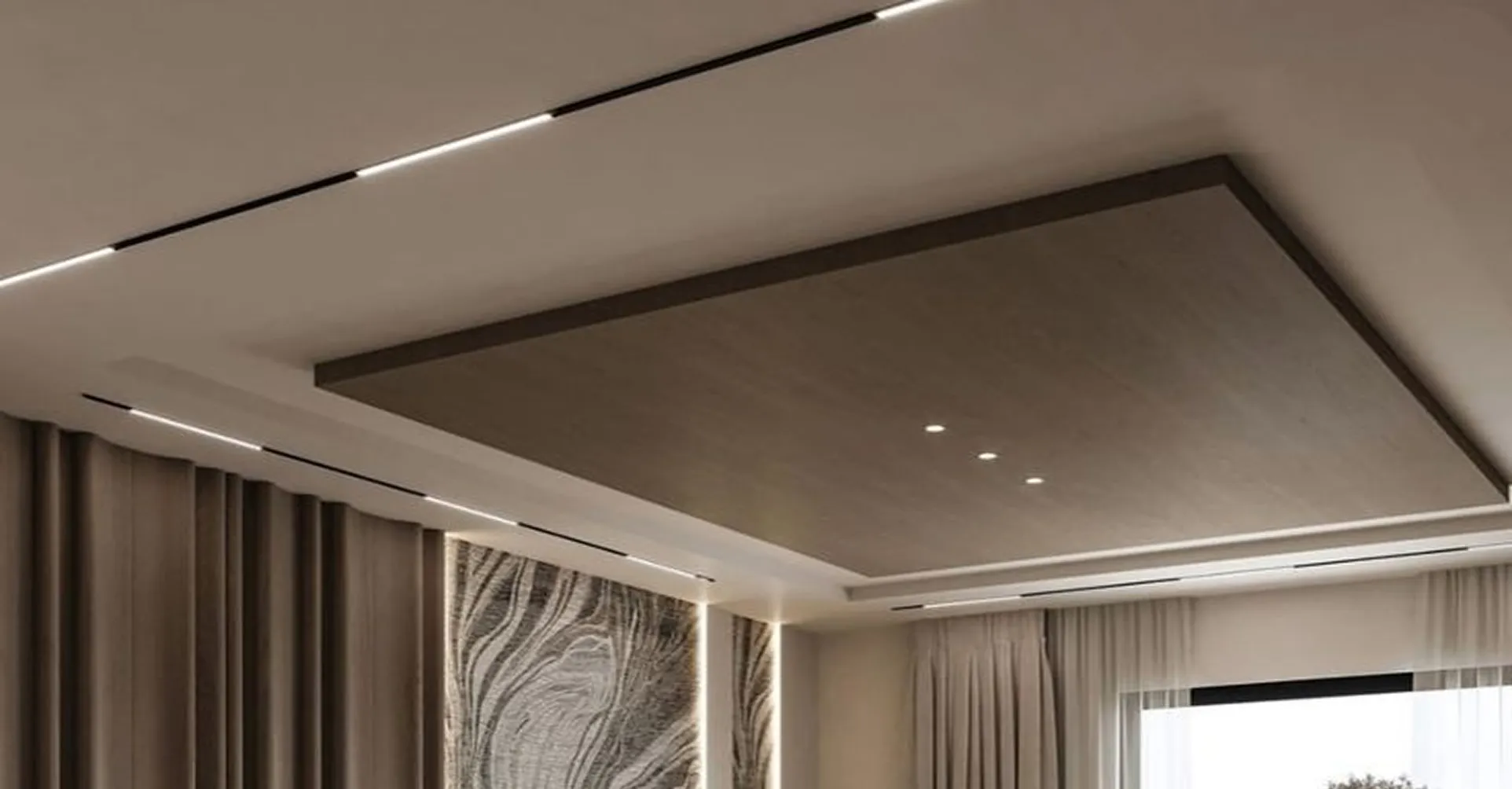
In case you desire fancy lights, layered ceilings or general designs, then choose gypsum. PVC keeps things plain and simple.
- Choose gypsum for creative and smooth details
- Choose PVC for basic, straight designs
Assess Maintenance Preferences
PVC needs very little work. Gypsum needs some attention now and then to stay looking good.
- PVC gives easy, no-fuss care
- Gypsum needs occasional touch-ups
Factor in Environmental Conditions
Weather affects both. PVC handles humidity and heat changes well. Gypsum does best in dry, steady rooms.
- PVC is good for humid places
- Gypsum likes normal indoor air
Balance Budget With Long-Term Value
PVC saves money now with quick work and low costs later. Gypsum costs more to begin with but adds style and value for years.
- PVC keeps things affordable
- Gypsum gives better looks over time
Conclusion
Choosing PVC or gypsum is about matching the material to your needs and style. PVC gives strength and easy care. Gypsum delivers unmatched elegance and a luxurious touch. The right one is based on your use of space and what you would like the space to function and feel like over time.
Rayfitout has extensive experience in checking, planning, and installing ceilings for all kinds of projects. We make sure the design, strength, and build work well together.
With careful work and good attention to detail, Rayfitout helps turn your rooms into spaces that look great and last.
Call us today to talk about ceiling options that improve your home with style and real performance.

%20(1).png)