


.jpg)
How long does a fit out take in Dubai? The answer depends on the property, the scope of work, and the level of finish required. An apartment refresh may take a few weeks, while a full villa interior fit out can extend across several months.
Many published estimates quote a single duration without explaining what it covers. This guide outlines realistic fit out timelines by project type, helping property owners plan their projects with a clearer understanding of the time involved.
For a tailored project plan, explore our interior fit out services in Dubai to discuss your property, requirements, and expected completion date.
What Stages Make Up a Fit Out Timeline?
A fit out project follows a series of connected stages, starting with design development and ending with final handover. Some activities run concurrently, so the total duration depends on how the design, approvals, procurement, and site works are scheduled.
Design and drawings
Concept design typically takes 2-4 weeks, followed by 4-8 weeks for detailed drawings, subject to project complexity. These documents cover architectural layouts, mechanical, electrical and plumbing (MEP) plans, and joinery shop drawings.
Design establishes the project scope and provides the information required for authority submissions, material orders, and site execution. Headline fit out estimates may exclude this phase, leaving property owners with an incomplete view of the overall schedule.
Approvals and procurement
Building management NOCs, authority permits, and technical reviews can proceed alongside procurement planning. Long-lead items, such as imported stone, bespoke joinery, lighting, and specialist fixtures, should be identified early so purchasing can begin at the appropriate stage.
The actual duration depends on the approval route, submission quality, supplier lead times, and the level of coordination required. See the section on fit out approvals in Dubai for a closer look at authority timelines.
Site works and handover
Construction follows a sequence, with some activities overlapping according to the approved programme.
- Strip-out and preparation: Removal of existing finishes, fittings, or partitions included in the scope.
- MEP first fix: Installation of concealed electrical wiring, plumbing lines, drainage, and ductwork. In villas, this stage can take around 3-5 weeks, depending on the scope. Opening up existing structures can reveal hidden services, damaged pipework, or other conditions requiring additional work.
- Finishes and joinery: Flooring, wall finishes, ceilings, cabinetry, and bespoke woodwork are installed as site conditions permit.
- MEP second fix: Final installation of switches, lighting, sanitaryware, grilles, and other visible fittings.
- Testing, snagging, and handover: Systems are tested, outstanding defects are recorded and rectified, and the completed works are inspected. Snagging and close-out may require 1-2 weeks, depending on the number of outstanding items and inspection requirements.
For commercial projects, the programme also needs to account for applicable completion inspections and final authority clearances before the premises can operate.
Understanding the differences between shell and core, Cat A, and Cat B works helps establish the project scope and expected timeline. Read our guide, What Are Fit Out Works? Shell & Core, Cat A and Cat B Explained, to learn more about the different fit out categories.

How Long Does a Villa Fit Out Take?
Villa fit out timelines in Dubai depend on the property’s current condition and the extent of the planned work. An existing villa renovation typically takes 10-20 weeks, while a full interior fit out of a new or shell villa can require 4-10 months.
Villa renovation or refurbishment
Renovating an existing villa generally takes 10-20 weeks, depending on the extent of alterations and the condition of existing services. Projects involving new layouts, electrical and plumbing modifications, or extensive bathroom and kitchen upgrades require additional time.
A straightforward refurbishment can stay towards the lower end of this range when the existing layout remains intact, structural work is unnecessary, standard finishes are specified, and imported materials are limited.
For a more detailed breakdown of the work involved, read our guide to villa renovation in Dubai.
Full interior fit out of a new or shell villa
A mid-sized villa interior fit out may take around 4-6 months after design completion. Larger residences and luxury properties can require 6-10 months, particularly when the brief includes extensive bespoke joinery, imported stone, custom lighting, and specialist home automation.
These estimates cover interior works. A complete shell-to-finished-home project can extend to 10-18 months, according to one published industry estimate; this broader timeframe should be treated as a separate benchmark rather than a standard duration for interior fit out alone.
What stretches a villa timeline
Several project-specific factors can add weeks or months to the programme:
- Villa size and number of floors: Larger properties require more installation work, coordination, and finishing time.
- Imported stone and finishes: International shipping, supplier production schedules, and customs clearance can affect delivery dates.
- Bespoke joinery: Custom cabinetry and fitted furniture require approved drawings, final site measurements, fabrication, and installation.
- Exterior works: Landscaping, swimming pools, facade modifications, and outdoor living areas can add separate workstreams.
- Master developer NOCs: Community requirements and additional review rounds can delay the start of authorised works.
The most reliable estimate comes from a defined scope, completed design information, confirmed approval requirements, and a procurement schedule aligned with the construction programme.

How Long Does an Apartment Fit Out Take?
An apartment fit out in Dubai typically takes 4-6 weeks for a light refresh and 6-10 weeks for a full interior upgrade. The actual duration depends on the scope of work, building regulations, and the level of finish specified.
Typical duration
A light refresh involving repainting, minor repairs, flooring replacement, or limited fixture upgrades can take around 4-6 weeks. A full apartment fit out may require 6-10 weeks of site work, depending on the size of the property and the extent of electrical, plumbing, kitchen, bathroom, and joinery installations.
These figures may cover site construction alone or a combined design and fit out period, depending on the source. If design development and building approvals sit outside the quoted duration, the total time required before handover will be longer.
Building rules that shape the schedule
Apartment work in Dubai is subject to building management or owners’ association procedures. Before work begins, the contractor may need to complete registration, obtain an NOC, submit approved drawings, and pay a refundable security deposit.
Building management may also restrict working hours, limit noisy activities to designated periods, and require a close-out inspection after construction. In some buildings, weekday-only working hours or restricted access for deliveries can affect the daily programme. These requirements should be confirmed with the relevant management team before the start date is agreed.
When an apartment takes longer
Certain alterations require additional coordination and installation time:
- Layout changes: Removing or adding partitions may require revised drawings and additional approvals.
- MEP relocation: Moving electrical points, plumbing lines, drainage, or air-conditioning outlets adds technical work and testing.
- Kitchen or bathroom relocation: Changes to plumbing and drainage layouts can increase complexity, particularly in buildings with fixed service routes.
- Imported finishes: Special-order tiles, stone, sanitaryware, and lighting can extend the schedule if deliveries fall behind the construction programme.
A realistic apartment fit out project should account for building approvals, permitted working hours, material delivery dates, and the full scope of installation work before confirming the expected handover date.

How Long Do Offices, Restaurants and Retail Fit Outs Take?
Commercial fit out timelines in Dubai typically range from 4-8 weeks for a mall retail unit to 6 weeks-4 months for a restaurant or cafe. Office projects generally require 8-18 weeks, with larger floors and more complex installations extending the programme.
Office Fit Outs: 8-18 Weeks
A typical office fit out may require around 4 weeks for design and approvals, 10-12 weeks for construction, and approximately 2 weeks for snagging and DEWA-related close-out requirements, subject to project scope. These stages may overlap, so the total duration depends on the approved programme.
Large office floors can take 3-6 months, particularly when the project includes extensive MEP modifications, meeting rooms, specialist lighting, data infrastructure, or bespoke partitions.
For a detailed breakdown of office layouts, specifications, and project planning, read our guide to office fit out in Dubai.
Restaurant and Cafe Fit Outs: 6 Weeks-4 Months
Restaurant and cafe projects typically take 6 weeks to 4 months, depending on the kitchen specification, ventilation requirements, and extent of building services work.
Commercial kitchen equipment, exhaust systems, grease management, fire-safety provisions, and specialist MEP installations require careful coordination. Delays in equipment delivery or revisions to technical drawings can extend the programme.
Explore our guide to restaurant and cafe fit outs in Dubai for more detail on planning a hospitality project.
Retail Fit Outs in Malls: 4-8 Weeks
A mall retail unit may require 4-8 weeks of site construction once the landlord’s design approval and relevant permissions are in place. The duration depends on the unit’s condition, the approved shop drawings, display joinery, lighting, flooring, and any specialist installations.
Landlord design reviews should be scheduled before the planned construction start date. Mall access rules, delivery windows, contractor registration, and permitted working hours also need to be incorporated into the programme.
Approvals Before Opening
Commercial premises must satisfy the applicable completion, fire and life-safety, and authority requirements before commencing operations. Civil Defence approvals and other required clearances should be included in the project programme, with the applicable requirements confirmed for the property’s location and use.

How Long Do Fit Out Approvals Take in Dubai?
Fit out approvals in Dubai can take several working days to a few weeks, depending on the property’s location, the governing authority, and the complexity of the proposed works. Building management clearance, technical reviews, and fire-safety requirements should be factored into the project programme before a construction start date is confirmed.
Who approves what
The approval route depends on the property’s jurisdiction and the nature of the work. Building management or the master developer may require an initial NOC before the application proceeds to the relevant authority.
- Building management or master developer: Reviews proposed works, building rules, contractor registration, and access requirements.
- Dubai Municipality (DM): Handles applicable permits for properties under its jurisdiction.
- Dubai Development Authority (DDA) or Trakhees: Oversees relevant applications in the areas under its authority.
- Dubai Civil Defence: Reviews applicable fire and life-safety requirements.
- DEWA: Handles relevant electricity and water connections, modifications, and service requirements.
Not all projects require approval from all these entities. The applicable route should be confirmed before drawings are submitted.
Typical approval times
The following are reported indicative ranges for planning purposes, not guaranteed service commitments. Actual processing times depend on the application type, submission quality, review cycles, and current authority requirements.
| Approval or review | Indicative reported duration |
|---|---|
| Building management NOC | 7-14 days |
| Community or master developer approval | 2-4 weeks |
| DDA fit out permit | 7-10 working days |
| Trakhees review cycle | 2-3 weeks per cycle |
| Dubai Municipality review | 3-15 working days, depending on scope |
What keeps approvals fast
Complete documentation is the starting point. Architectural layouts, MEP drawings, technical specifications, and supporting documents should match the proposed scope and the authority’s submission requirements.
Three measures can help reduce avoidable delays:
- Confirm the correct authority and building management approval route before preparing the submission.
- Coordinate fire and life-safety requirements early when they apply to the project.
- Resolve drawing discrepancies and technical comments promptly to limit repeat submissions.
Incomplete drawings can turn an expected review period of days into several weeks, particularly when revised documents require another review cycle.
Which Fit Out Items Have the Longest Lead Times?
Material procurement can have a direct impact on a fit out completion date, particularly when a project includes imported finishes, custom joinery, or specialist technical equipment. Identifying long-lead items during design helps keep purchasing aligned with the construction programme.
Imported stone and finishes
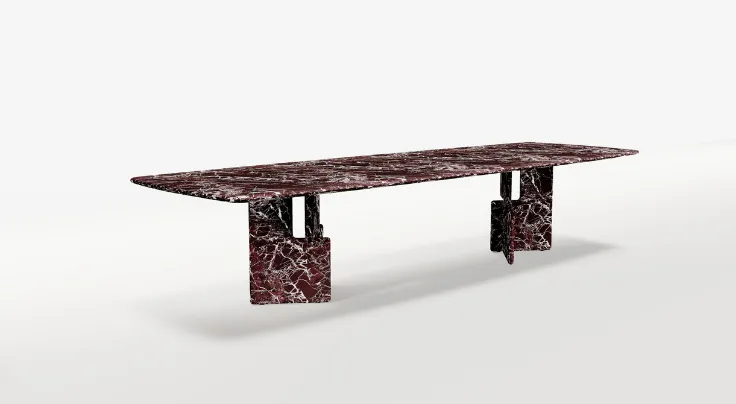
Italian marble and other imported natural stone can require 6-10 weeks after selection for sourcing and sea freight, depending on availability, fabrication requirements, and shipping arrangements. Special finishes may take longer if slabs need to be reserved, cut to approved dimensions, or sourced directly from overseas suppliers.
Finalize stone selections early, especially for feature walls, flooring, kitchen worktops, and bathroom surfaces. Delayed selection can hold up fabrication and installation later in the programme.
Bespoke joinery
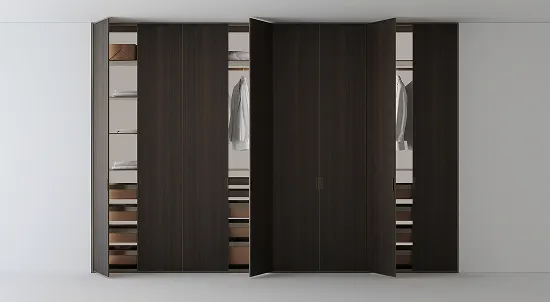
Custom wardrobes, kitchen cabinetry, wall panelling, and vanity units typically require 3-5 weeks of fabrication for straightforward packages, subject to the supplier’s capacity and finish specification. Complex designs, specialist finishes, or larger packages may need additional production time.
Fabrication should proceed only after the shop drawings and material samples are approved. Final site measurements are also essential, so production to confirmed dimensions may have to wait until relevant walls, floors, and other finished surfaces are ready to measure. For custom cabinetry, fitted wardrobes, and tailored woodwork, explore our bespoke joinery services in Dubai.
Fixtures, glazing, HVAC and systems
Technical products can carry their own lead times, particularly when they require factory production or overseas sourcing. Key items to track include:
- Sanitaryware and ironmongery: Special-order taps, fittings, handles, and hardware.
- Glazing and specialist metalwork: Custom shower screens, mirrors, glass partitions, and metal details.
- HVAC equipment: Specified air-conditioning units, controls, and ventilation components.
- Lighting and smart-home systems: Decorative lighting, automation panels, sensors, and integrated controls.
Lead times vary by manufacturer, stock availability, technical approval, and shipping requirements.
When Should Long-Lead Items Be Ordered?
Place orders as soon as the design, specifications, and required approvals for procurement are sufficiently established. Do not automatically wait until permits arrive if an item can legitimately be ordered earlier without risking costly changes.
A procurement schedule should record the approval date, order date, expected delivery, installation milestone, and a contingency allowance for critical items. For guidance on allocating funds to these purchases, read our guide to fit out costs in Dubai.
What Normally Causes Fit Out Delays?
Fit out delays in Dubai usually arise when approvals, procurement, design decisions, or site activities fall behind the agreed programme. Identifying these risks early helps property owners set realistic completion dates and reduce disruption during construction.
Approval and paperwork delays
Incomplete drawings, unresolved technical comments, and missing documents can hold up permit applications. A master developer’s NOC may also be required before an authority begins its review, adding time if the submission sequence is planned incorrectly. Late input on fire and life-safety requirements can create further revisions.
Starting regulated works before obtaining the required approvals can expose the project to fines, stop-work orders, and additional compliance requirements. Confirm the approval route and required permissions before mobilising the contractor.
Procurement delays
Late purchase orders can push installation dates beyond the planned milestones. Imported stone, specialist lighting, bespoke joinery, and technical equipment may have limited availability or extended manufacturing and shipping periods.
A delayed shipment becomes more disruptive when no approved alternative is available. Agree on acceptable substitutes early, obtain sample approvals promptly, and track critical deliveries against the construction programme.
Scope and design changes
Changes after design sign-off can require revised drawings, additional approvals, new material orders, and adjustments to work already completed. Moving a kitchen layout, changing bathroom fittings, or introducing bespoke joinery late in the project can affect several trades at once.
Record agreed specifications and variations in writing. Before approving a change, establish its cost, approval implications, and effect on the scheduled handover date.
Site and seasonal constraints
Building management rules can restrict working hours, noisy activities, delivery access, and contractor movement. Close-out inspections may also require outstanding works to be completed before final clearance is granted.
Ramadan working arrangements may affect site schedules, subject to applicable regulations and building-specific rules. Confirm the current working hours with the relevant parties and reflect them in the programme rather than relying on a general seasonal assumption.
A well-defined contract should establish milestone dates, variation procedures, approval responsibilities, and the process for recording extensions of time.
.jpg)
How Can You Keep a Fit Out on Schedule?
A reliable fit out schedule starts with clear decisions, an agreed scope, and a programme that accounts for approvals, procurement, and site execution. These steps help reduce avoidable delays and give property owners greater control over the expected handover date.
- Finalize the design early: Approve layouts, material specifications, MEP drawings, and joinery details before submitting the relevant applications. Late design revisions can trigger additional reviews and reordering.
- Confirm the approval route: Establish the governing authority, master developer requirements, and building management NOC process before setting the construction start date.
- Plan procurement around design sign-off: Identify imported finishes, bespoke joinery, specialist lighting, and technical equipment early. Place orders once specifications are approved and procurement can proceed responsibly.
- Build contingency into the programme: Allow time for review comments, supplier delays, site discoveries, testing, and final inspections. Critical milestones should include realistic allowances for foreseeable risks.
- Agree on a written project programme: Require the contractor to define the start date, key milestones, approval dependencies, procurement deadlines, and target handover date. The programme should state whether the quoted duration covers design to handover, permit to handover, or site work alone.
- Keep design and construction coordinated: Appointing one team for design and build, where appropriate, can reduce hand-offs and help resolve technical decisions promptly.
Before appointing a contractor, ask for a project-specific schedule with clear responsibilities and documented assumptions. An experienced interior fit out company in Dubai helps you establish a realistic programme aligned with your property’s requirements and intended completion date.
Frequently Asked Questions
How long does a fit out take in Dubai?↗
A fit out in Dubai can take around 4 weeks for a small refresh or several months for a full villa interior fit out. The timeline depends on the project scope, design requirements, approvals, material lead times, and construction complexity.
How long does a villa renovation take in Dubai?↗
A villa renovation typically takes 10-20 weeks, depending on the property’s condition and the extent of the alterations. Structural changes, MEP modifications, imported finishes, and bespoke joinery can extend the schedule.
How long does an apartment fit out take in Dubai?↗
A light apartment refresh may take 4-6 weeks, while a full apartment fit-out may require 6-10 weeks. Building approvals, permitted working hours, layout changes, and material availability can affect the completion date.
How long do fit out approvals take in Dubai?↗
Fit out approvals can take several working days to a few weeks, depending on the property’s location, the relevant authority, and the complexity of the proposed works. Incomplete drawings or additional review cycles can extend the process.
How can Rayfitout help keep a fit out project on schedule?↗
Rayfitout provides detailed bills of quantities (BOQs) to define project requirements, specify materials, and clarify the scope of work. This helps property owners plan budgets, coordinate procurement, and establish a more informed fit out schedule for their property in Dubai.