






Furnishing a luxury villa or penthouse in Dubai means more than picking pricey furniture. Owners must decide which pieces should be made specifically for the property. They also decide which can come from established furniture collections.
On Bespoke joinery in Dubai projects, the main advantage is precision. Custom wardrobes, kitchens, wall panels, and storage systems are designed to specific measurements and architectural features. Off-the-shelf furniture provides reliable designs, known specifications, and typically quicker delivery.
Both fit luxury interior design Dubai projects. The better choice depends on function, material performance, how much you want customized, your budget, and how permanent each piece should be.
What Is the Difference Between Bespoke Joinery and Ready-Made Furniture?
Bespoke joinery is made-to-measure interior work built for a specific space. Common examples are fitted wardrobes, kitchens, vanity units, concealed doors, entertainment walls, and architectural paneling.
Ready-made furniture is standardized and manufactured before you buy it. Typical examples include sofas, dining tables, armchairs, beds, and freestanding cabinets.
It isn’t simply custom against mass-produced. High-end ready-made furniture can be superbly crafted. Poorly specified bespoke cabinetry can perform worse than a good manufactured product.
Where Does Bespoke Joinery Add the Most Value?
Bespoke joinery earns its place when standard furniture can’t handle the property’s dimensions, architectural features, or storage needs.
In Dubai’s luxury home market, it often helps interiors flow as one across large villas, penthouses, and apartments.
Walk-In Wardrobes and Dressing Rooms
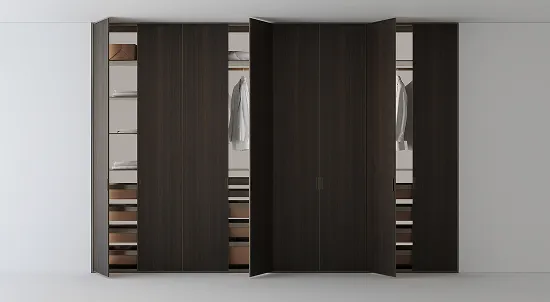
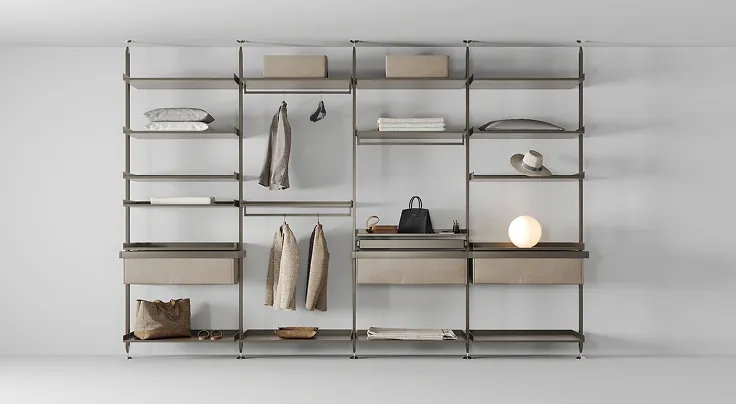
A custom wardrobe can include full-height cabinetry, adjustable shelving, jewelry drawers, concealed lighting, and separate spots for clothes and accessories.
The dimensions should allow for door clearance, hanging heights, drawer movement, and ventilation. A well-designed wardrobe system also copes with uneven walls and ceilings. It doesn’t leave awkward gaps.
Kitchens and Integrated Appliances
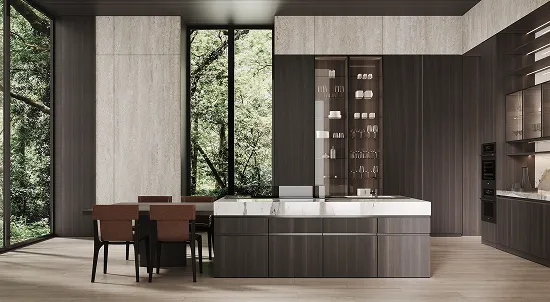
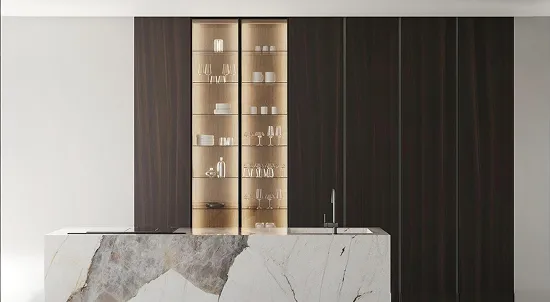
A bespoke kitchen lets the cabinetry fit specific appliances, worktop heights, plumbing positions, and storage needs.
Technical planning must cover appliance ventilation, electrical access, service clearances, moisture protection, and the right cabinet hardware. Sink cabinets and exposed board cut-outs need careful sealing.
Architectural Wall Paneling and Concealed Doors
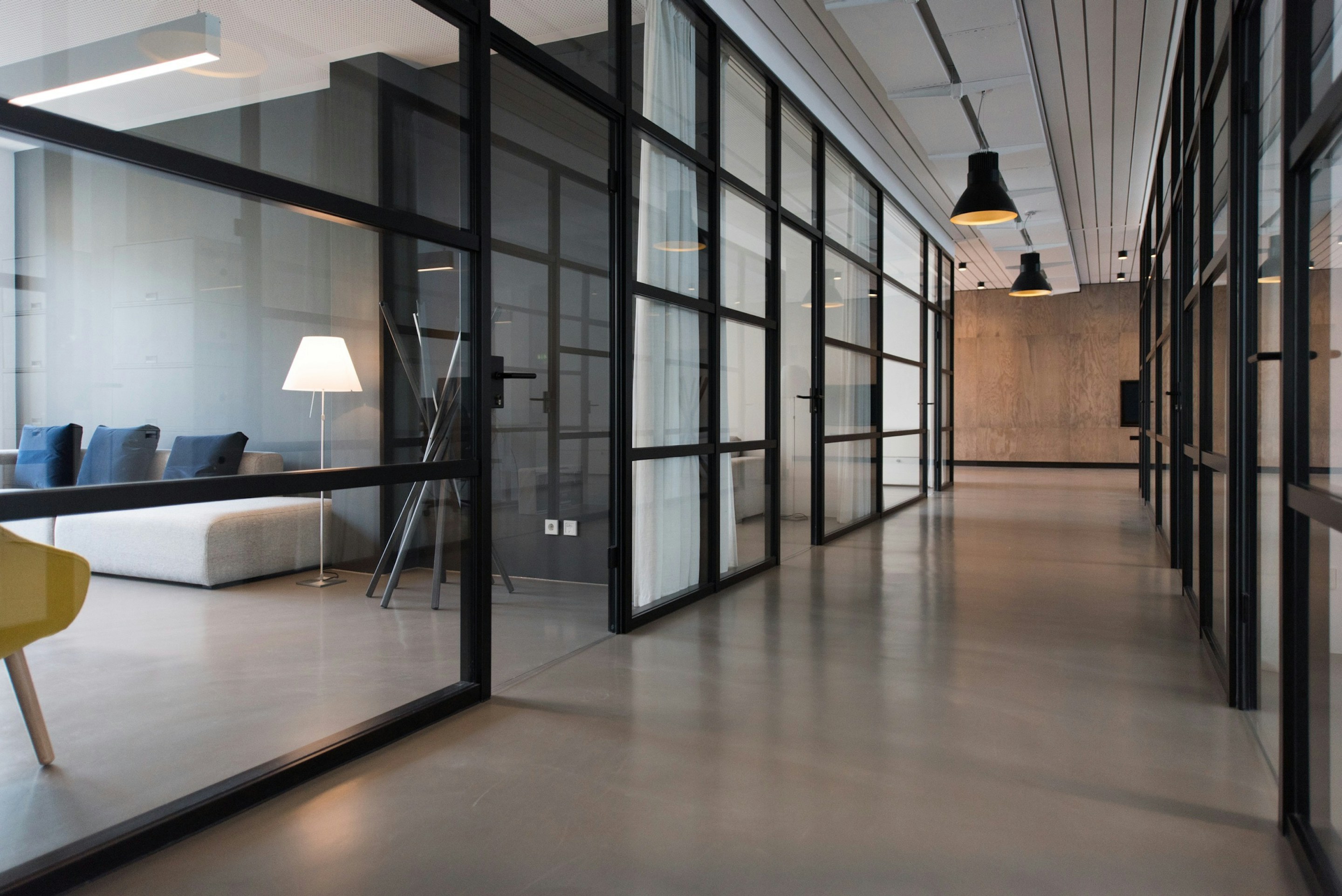
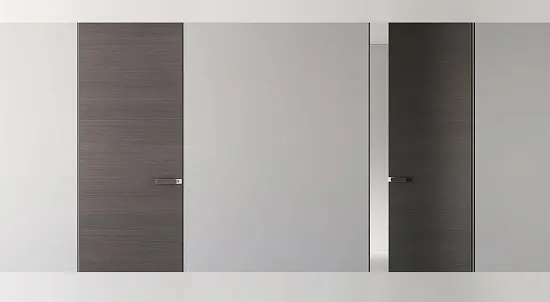
Luxury interiors often feature timber veneer panels, built-in shelving, concealed doors, and continuous wall finishes.
These installations need accurate setting-out, coordinated door hardware, and carefully planned joins with ceilings, floors, lighting, and nearby materials.
For Bespoke joinery in Dubai, these technical details often decide whether the finished piece looks seamless.
Which Materials Perform Better in Dubai’s Climate?
Material choice matters because Dubai homes face intense outdoor heat, seasonal humidity, and constantly air-conditioned interiors. Temperature and moisture swings can affect timber movement, adhesives, finishes, and cabinet parts.
Engineered Boards vs Solid Timber
MDF, moisture-resistant MDF, and plywood are common substrates for joinery. Which one suits you depends on the location, the construction, and the exposure.
Moisture-resistant MDF can work for protected cabinetry. It isn’t waterproof. Properly specified plywood can have advantages around plumbing and damp-prone areas.
Solid timber has real natural character. It needs proper conditioning, finishing, and allowance for movement.
Veneers, Laminates, and Lacquer Finishes
Natural veneer gives you real timber grain over a manufactured base. Decorative laminates give consistent surfaces and practical wear resistance. Lacquer lets you have custom colors and smooth finishes.
Performance depends on the whole finishing system. Looks alone don’t tell you. Sun-exposed spots need particular attention to the finish's stability and the manufacturer’s advice.
Hardware, Edging, and Installation
Even premium cabinetry can fall apart over time when the hidden parts are poorly specified. Key technical points include:
- Edge Banding: Protects exposed board edges.
- Sealing: Reduces moisture entry around cut-outs.
- Hinges: Must support actual door weights.
- Drawer runners: Require suitable load ratings.
- Fixings: Must suit the wall substrate and cabinet load.
- Expansion Gaps: Accommodate expected material movement.
These details matter most in kitchens, bathrooms, and full-height cabinetry.
When Is Ready-Made Furniture the Better Choice?
Ready-made furniture isn’t automatically worse than bespoke. Established luxury makers can offer sophisticated engineering, specialist upholstery, and carefully developed construction.
Sofas, Armchairs, and Dining Furniture
Freestanding furniture gives you flexibility. Owners can move seating around, change arrangements, or replace single pieces without affecting the surrounding architecture.
Premium collections also let you check upholstery, comfort, proportions, and finishes before you buy.
Properties Requiring Flexible Interiors
Ready-made suits owners who update their interiors often or expect to move. Measure carefully, though. Large pieces have to fit through entrances, corridors, lifts, and staircases. That’s especially true in Dubai’s high-rise developments.
How Do Costs and Lead Times Compare?
Bespoke joinery typically involves design development, technical drawings, material approval, fabrication, finishing, transport, and installation.
Ready-made furniture skips the project-specific manufacturing when it’s in stock. Imported or made-to-order collections can still mean long waits.
On Luxury interior design Dubai projects, compare quotes by specification. Don’t go by appearance alone.
Check board grades, finishes, hardware brands, installation scope, warranties, and delivery conditions. A lower quote may omit essential technical components or on-site installation.
What Should You Check Before Approving Bespoke Joinery?
In custom manufacturing, changes are difficult once production begins. Detailed documentation and on-site coordination are crucial.
Before you approve, confirm:
- Site measurements: Verified after relevant finishes are completed.
- Shop drawings: Dimensions, sections, and fixing details.
- Material samples: Approved substrates and surface finishes.
- Hardware schedules: Hinges, runners, and load capacities.
- Service coordination: Lighting, plumbing, and ventilation.
- Installation access: Delivery routes and site restrictions.
Manufacturing should follow approved drawings. Sort out any needed site adjustments before final installation.
Is Bespoke Joinery or Ready-Made Furniture Better for Luxury Homes?
For most luxury homes, using both gives the best result. Bespoke joinery works best for permanent architectural elements that need precise dimensions, built-in services, and custom storage.
Ready-made furniture gives you flexibility for seating, dining, and decorative arrangements. The aim isn’t to make everything bespoke. It’s to spend on customization where it improves function, space efficiency, and architectural consistency.
Conclusion
Bespoke joinery and ready-made furniture do different jobs in a luxury home. Custom manufacturing gives you more control over dimensions, materials, detailing, and integration. Ready-made collections offer flexibility and established product designs.
Exploring Bespoke joinery Dubai services? Rayfitout offers custom joinery design and in-house manufacturing for luxury homes.
With experience in Luxury interior design Dubai, Rayfitout coordinates bespoke craftsmanship with the wider residential design and fit-out process.
Contact us today with your vision, and our team of luxury interior designers will bring it to life.