



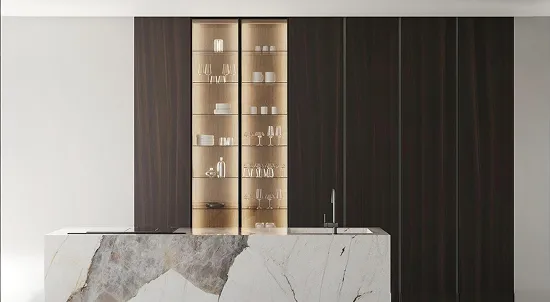



Find the best interior designer for a luxury home in Abuja by testing five things: finished homes of your type, a drawing package a contractor can build from, a named person who handles approvals and estate rules, a clear owner for imported goods and customs, and who is on site day to day. Nigeria adds two points a general guide misses: a licence a designer quotes comes from an industry body, not the government, and imported finishes clear customs through Nigerian procedures such as Form M and a Pre-Arrival Assessment Report (PAAR).
These tests apply to every luxury interior designer in Abuja, whether the home is in Maitama, Asokoro, Guzape, Katampe, Wuse 2 or Jabi. The sections below cover what to check before you shortlist, whether a designer’s licence means anything, which approvals apply to a renovation, and how imported finishes clear customs.
What Should You Check Before You Shortlist an Interior Designer in Abuja?
Check six things, and ask for a document that proves each one:
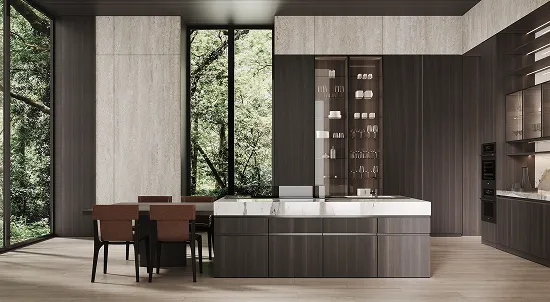
- Homes like yours: finished photographs of a villa, mansion, duplex or penthouse of similar size, not only 3D renders. Apply the same test to our portfolio.
- Technical drawings: floor plans, ceiling and lighting layouts, elevations and joinery details that a contractor can build from.
- Backup power and security: the electrical layout showing where backup power equipment sits, and the specification for access control and protective glazing.
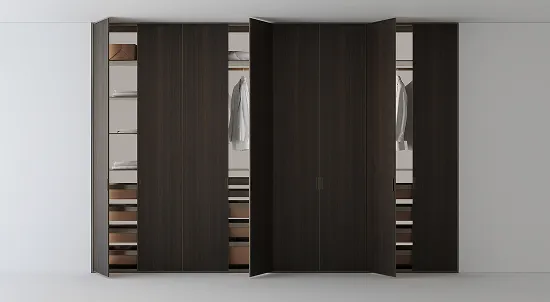
- Joinery: where kitchens, wardrobes and wall panelling are made, and how drawings and samples are approved before production. Rayfitout approves both before production in its 15,000 sq ft Dubai facility, where it builds its bespoke joinery.
- A priced scope: a Bill of Quantities (BOQ) listing every item and quantity, so you review the budget before anything is ordered.
- Progress reporting: how and how often you receive reports on the work if you are not on site.

Is an Interior Designer Licensed in Nigeria?
Not by law. The licensing system announced in 2025 comes from an industry body, so it is not a statutory licence. According to ClearHQ (5 November 2025), the Institute of Professional Interior Designers and Product Inventors (IPIDPI), launched in Lagos, is introducing a licensing system for interior designers and product inventors. The Guardian describes it as an industry scheme and quotes a founder of IDAN: “Before any profession becomes regulated by law, it must first organise itself.”
Neither report explains how a homeowner can verify a designer’s membership. Ask for the certificate number and the issuing body, and confirm both with that body. A licence or a membership does not replace the real proof: finished homes and the drawings behind them.

Which Approvals Apply to a Luxury Home Renovation in Abuja?
It depends on the alteration, and the published guidance on interior-only work is limited. Three sources set out what is known:
- FCT development control: its submission guide lists Building Renovation among its submission types, alongside Planning, Architecture, Structure, Mechanical and Electrical. The guide page does not say what a renovation submission requires, so ask the office for its current checklist.
- Paperwork for new buildings: a 2013 Daily Trust report of a conference paper on FCT approvals says applications need title documents such as a Certificate or Right of Occupancy, and that “All Plans and Reports are to be sealed by the relevant professionals”. It covers new development on plots and does not address renovation, so treat it as a guide to the paperwork, not a current checklist.
- Estates and managed buildings: a private estate or a luxury apartment building can set its own rules for interior work, such as contractor registration, working hours, site access, deliveries and noise. Confirm these with the estate or building management before you schedule any site activity.
When you interview designers, ask who confirms the requirements with the FCT office and with your estate management, and who prepares and submits any drawings.
How Do Imported Finishes and Furniture Clear Customs in Nigeria?
A Nigerian importer and a licensed clearing agent make the local customs declarations and release the cargo, and the documents depend on the product:
- Documents: depending on the product, Form M, shipping records, a Pre-Arrival Assessment Report (PAAR) and SONCAP certification for regulated goods.
- Inspection: according to the US government’s Country Commercial Guide for Nigeria, last published on 5 September 2025, Nigeria moved from pre-shipment to destination inspection, so all goods are inspected on arrival.
- Charges: duties, levies and VAT depend on the customs classification of each item.
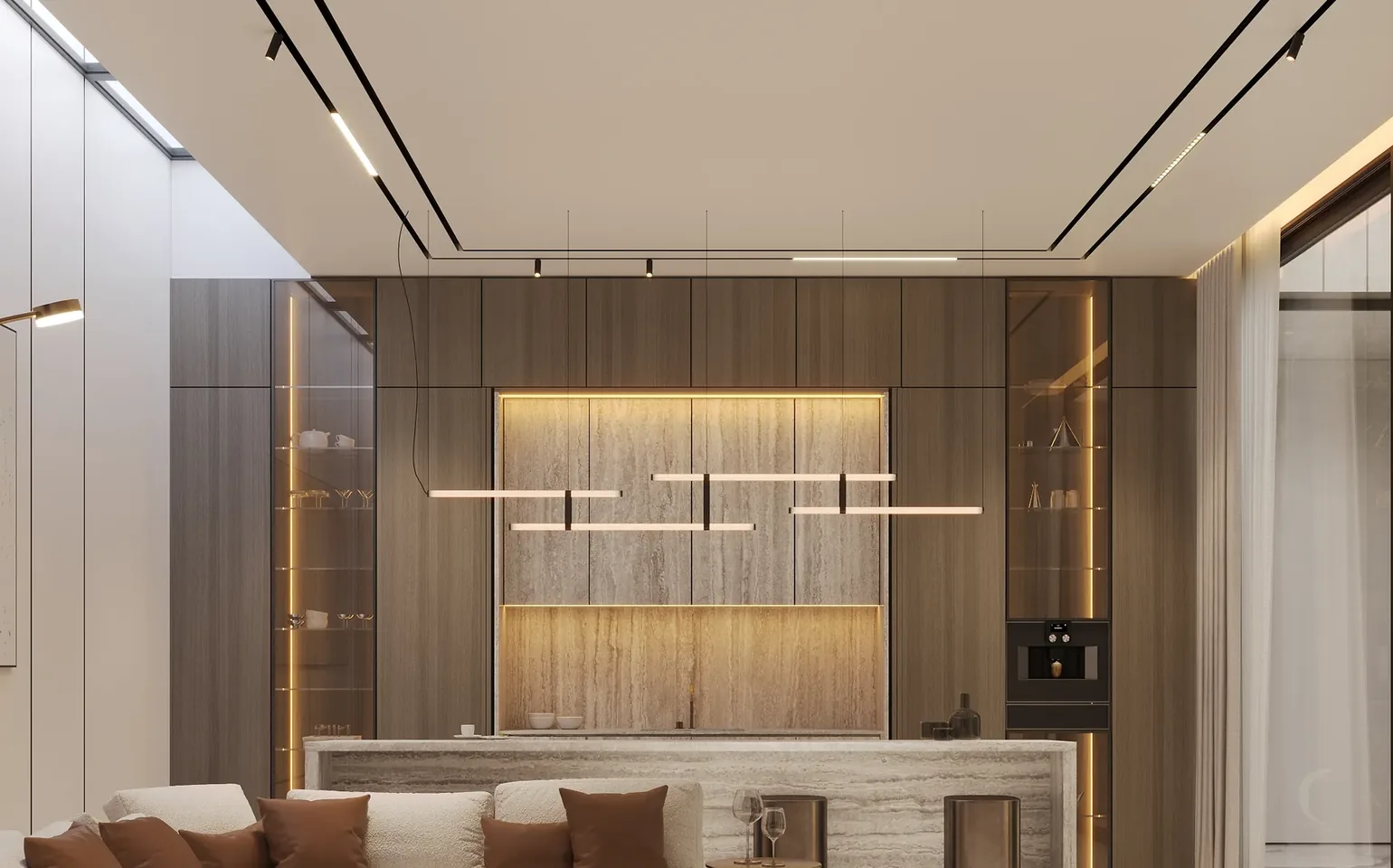
When Rayfitout delivers interior design in Abuja from Dubai, it coordinates export documentation, shipping and customs clearance with your importer and licensed clearing agent. Ask every designer who plays each of the other roles, and who pays if clearance runs late.

How Does Rayfitout Work With Homeowners in Abuja?
Rayfitout is a Dubai-based design-and-build company. It provides luxury residential interior design in Abuja for villas, mansions, duplexes, apartments and penthouses from its Dubai headquarters, and builds their kitchens, wardrobes, dressing rooms and wall panelling in its Dubai facility.
A home runs from consultation and property assessment through concept development and space planning, technical drawings and BOQ preparation, material selection and procurement, installation and fit out, and final inspection and handover. Rayfitout coordinates approvals and customs. It prepares the drawings and technical documentation for any approval submission and works with the owner and registered Nigerian professionals before work begins. It also coordinates export documentation, shipping and customs clearance with the owner’s importer and licensed clearing agent. For homeowners outside Nigeria, it coordinates remotely through visualisations, BOQs, procurement, progress reporting and installation.
Conclusion
To find the best interior designer for a luxury home in Abuja, ask each candidate for finished homes of your type, the drawing package, and a written answer on who handles approvals, imports and site supervision.
If you are planning a home in Maitama, Asokoro, Guzape, Katampe, Wuse 2 or Jabi, see how we work as an interior design company in Abuja and drop an inquiry with your brief.
FAQs
What is the difference between an interior designer and an interior decorator?↗
A decorator selects furnishings, colours and accessories. A designer also plans the space, produces technical drawings and coordinates the lighting, electrical, mechanical and joinery work, which is the scope a luxury home needs.
Do you need a registered architect as well as an interior designer for a renovation in Abuja?↗
Yes, if the work changes the layout, structure or mechanical and electrical systems. The FCT development control submission types include Architecture, Structure, Mechanical and Electrical, so ask who provides those drawings and whether the relevant professionals seal them. For furniture, finishes and lighting changes alone, confirm with the FCT office.
What should a progress report from a remote designer include?↗
It should include dated photographs of each room, the work completed against the schedule, open issues, the next steps and any payment now due.
Should you buy furniture before the design is approved?↗
No. The approved drawings set the dimensions, finishes and positions that decide what fits, so furniture bought earlier risks being the wrong size or style.
What is a Pre-Arrival Assessment Report (PAAR)?↗
The US government’s guide lists the PAAR system with the Single Window Portal as tools to simplify customs and speed clearance. Ask your clearing agent whether it applies to your shipment and who obtains it.


