
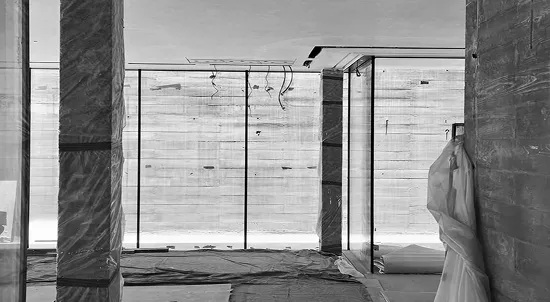

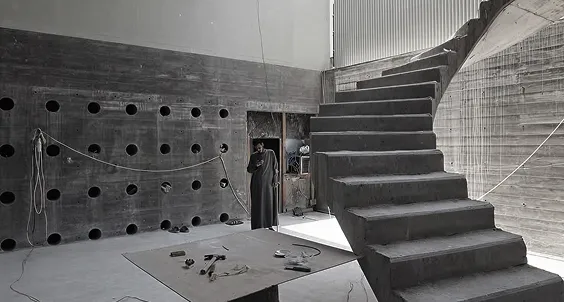
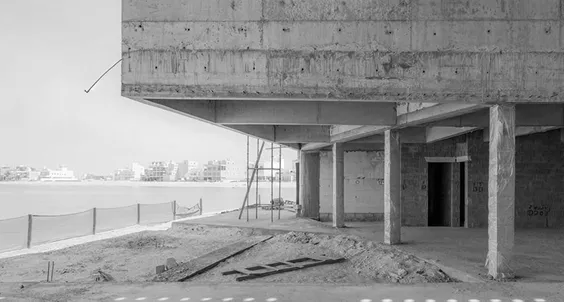
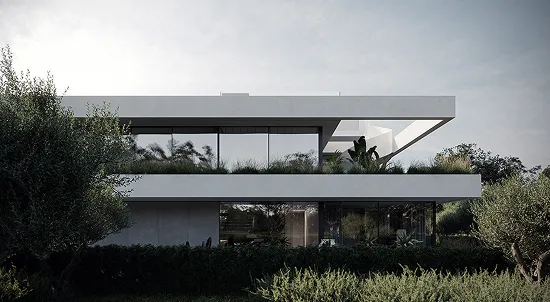


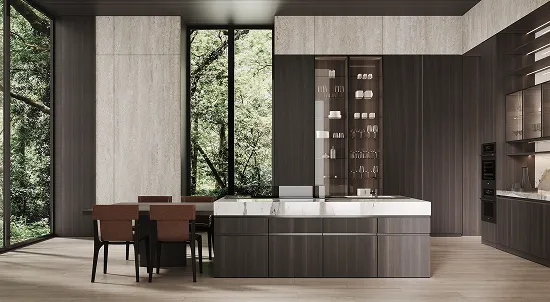


Choose the interior designer who can show finished homes of your size in Kenya, explain in writing who handles permits, contractors and joinery, and name the person who will be on site. Kenya adds three checks that a general guide misses: contractor licensing, building approval for alterations, and the difference between Nairobi and coastal Mombasa homes.
This guide covers what to look for in a luxury interior design firm in Kenya, what registration exists and what does not, which approvals apply, how to compare local and international firms, and the questions to ask before you sign. It draws on Rayfitout’s work as a luxury interior design company in Kenya, with a physical office in Nairobi.
Rayfitout is a Dubai design-and-build company with 37+ years of experience, and the checks below are the ones clients ask us to prove.
What Should You Look For in an Interior Designer for a Luxury Home in Kenya?
Look for evidence in six areas, and treat a gap in any of them as a question for the firm before you pay a deposit:
- Finished homes at your scale: villas, townhouses or penthouses similar to yours, shown as photographs of completed rooms rather than only 3D renders.
- Technical drawings: floor plans, ceiling and lighting layouts, elevations and joinery details that a contractor can build from, not only mood boards.
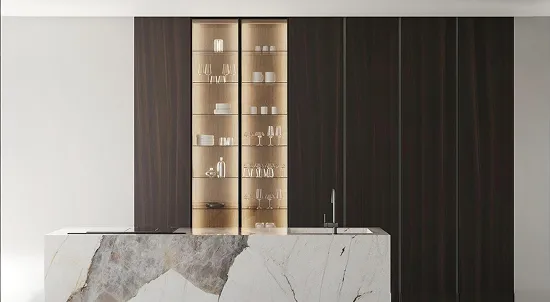
- Joinery capability: kitchens, wardrobes and wall panelling drawn to your room dimensions and built to approved drawings. Rayfitout builds its bespoke joinery in its Dubai workshop.
- Sourcing: a named process for specifying materials, approving samples and tracking orders, including imported stone, lighting and fittings.
- Site supervision and handover: who visits the site, how often, how progress is reported, and how snagging (the final defect list) is closed out.
- Local presence: a team in Nairobi that can attend site meetings, rather than one that manages everything by phone.

Do Interior Designers and Contractors in Kenya Need to Be Registered?
Contractors must be registered, but interior designers are not yet regulated by statute. Business Daily reported on 28 July 2026 that a proposed Bill would bring interior designers under statutory regulation for the first time, and that it was still awaiting parliamentary approval. Check its current status before you rely on any firm’s claimed credentials.
The National Construction Authority (NCA) sets the rules that matter more for your site. According to the NCA’s project registration guidance:
- Contractors and sub-contractors must be registered with the NCA and hold a valid practising licence for the current financial year.
- Consultants such as engineers, architects and quantity surveyors must be registered with their professional bodies (EBK and BORAQS) and hold valid practising licences.
- Projects in both the public and private sector must be registered, and the owner, not the contractor, is responsible for registering.
In practice, ask any designer for the NCA registration of the contractor who will build your home, and ask who files the project registration.
Does a Luxury Home Renovation in Kenya Need Building Approval?
It can. Kenya’s Physical and Land Use Planning (Building) Regulations 2021 say that anyone making “alterations or additions to an existing building” must submit building plans and obtain development permission first. You can read the wording in the 2021 regulations. Whether a particular interior scope counts as an alteration depends on the work, so ask the county before you commit to a start date.
Timing in Nairobi is uncertain. The county announced in March 2025 a faster approval process with a two-week target, but engineers said in May 2025 that the change had not yet taken effect. When you interview designers, ask who prepares and submits the application, who tracks it, and what schedule they assume for approval.

Should You Hire a Local or an International Interior Designer in Kenya?
Hire a local designer for a refresh that uses locally available materials, and an international firm when the home needs imported finishes, made-to-measure joinery or one party accountable across design and build.
| Factor | Local designer | International firm |
|---|---|---|
| Materials | Mostly local stock, quick to source for small jobs | Imported stone, lighting and fittings specified to your brief |
| Joinery | Built by local workshops | Built in the firm’s own workshop and shipped to site |
| Accountability | Designer, contractor and suppliers are often separate parties | One contract when the firm does design and build |
| On-site presence | In the country and close to site | Confirm who is in Nairobi and how often they visit |
| Best for | A refresh, a single room, a local-materials scheme | A villa, penthouse or large home, or an owner living abroad |
The on-site row decides most Kenya decisions. A homeowner in the capital should shortlist an interior designer in Nairobi who can attend site meetings in person, and ask any international firm to name its Nairobi team.

Does Choosing a Designer Differ for Nairobi and Mombasa Homes?
Yes, mainly in the materials you need the designer to justify. Mombasa is a coastal city, so ask whether the designer has completed homes on the coast and how they chose finishes for salt air and humidity. Ask for technical references or manufacturer data for the products proposed, and treat a general claim that a finish is “humidity-resistant” as unproven until you see them.
In Nairobi the questions shift to site logistics, county approval and contractor licensing, which the sections above cover. Rayfitout’s Kenya work includes coastal homes in Mombasa, including beachfront villas, as well as homes in Nairobi.
What Questions Should You Ask an Interior Designer in Kenya Before Hiring?
Ask the questions below and ask for the answers in writing. A firm that answers each one specifically is easier to hold to the schedule later.
- Scope: which services are in your fee: concept, technical drawings, procurement, joinery, site supervision and snagging?
- Fees: is the fee fixed, a percentage of the build cost or hourly, and which payments are tied to which milestone?
- Contractor: who is the contractor, and what is their NCA registration and current practising licence?
- Approvals: who prepares and submits county applications and the NCA project registration, and who holds the approved documents?
- Responsibility: who buys the materials, who builds the joinery and who answers if something arrives damaged or does not fit?
- Schedule: how long do design, approvals, procurement and installation take on a home like yours, and which steps have the longest lead times?
- Site presence: who is on site day to day, how often does the lead designer visit, and how do you receive progress reports?
- Handover: how is snagging recorded and how long does the firm take to close it?
How Do You Check an Interior Designer’s Portfolio and References in Kenya?
Check that the portfolio shows completed homes in Kenya or a comparable market, then speak to at least two past clients before you sign. Four checks make a portfolio meaningful:
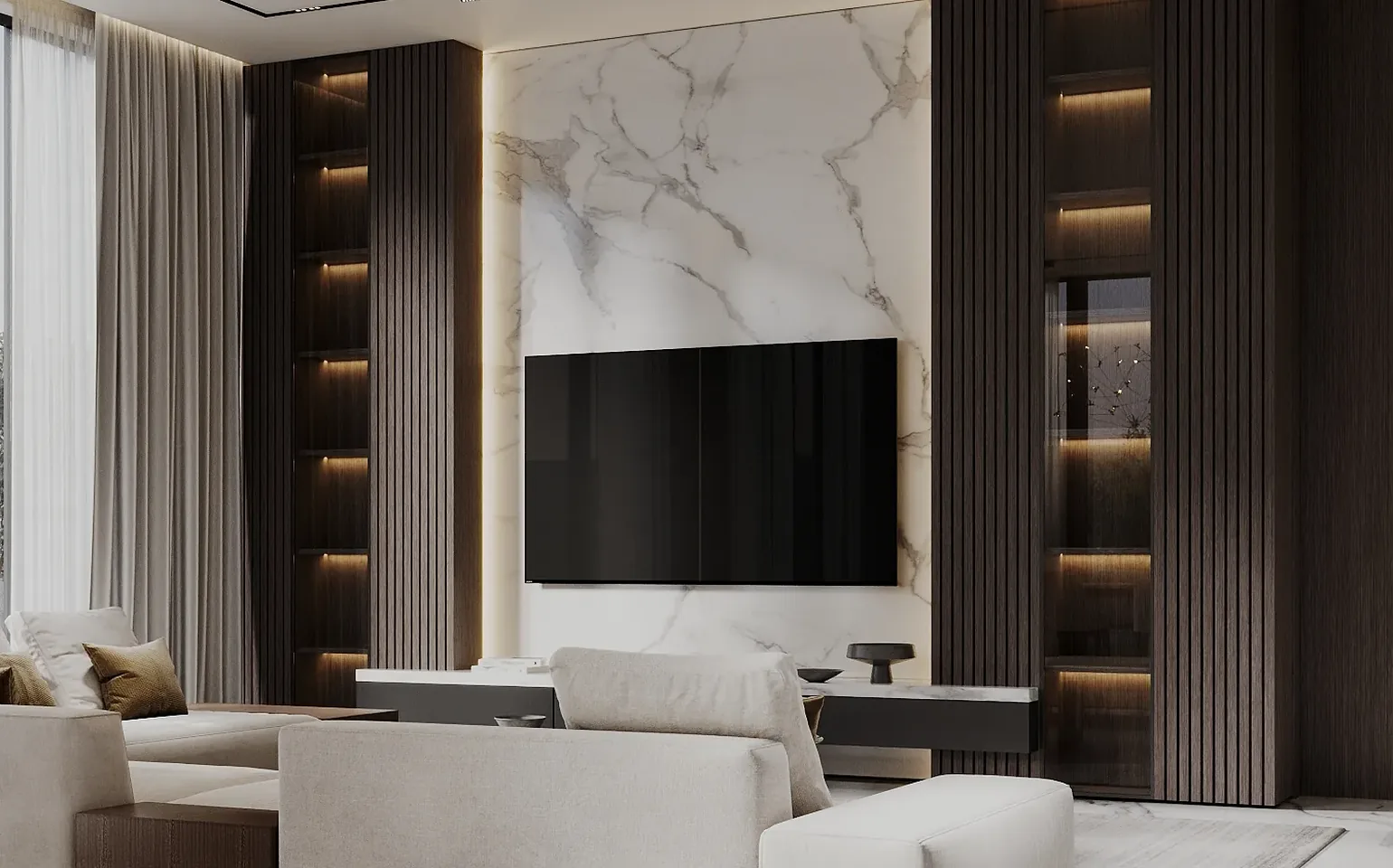
- Look for finished photographs. Renders show intent; photographs of completed rooms show what was built, including joinery edges, stone joins and lighting.
- Match scale and type. A designer with only apartments may not have run a villa with a full joinery package, so ask for a home closest to yours in size.
- Ask what the firm did. Some portfolios mix homes where the firm did design only with homes it built from start to finish. Ask which is which.
- Call two past clients. Ask whether the schedule held, how changes were handled and whether snagging was closed on time.
For comparison, Rayfitout’s completed homes include a villa in Nairobi, and the rest are listed in our portfolio.

How Does Rayfitout Work With Homeowners in Kenya?
Rayfitout is a Dubai-based design-and-build company founded in 1989, with a physical office in Nairobi’s Upperhill. It takes homes from first brief to handover under one contract, so the design, joinery and installation of a Kenyan home answer to one team.
Four services can be bought together or separately:
- Turnkey design and fit-out: concept, technical drawings, procurement, construction and installation on one programme.
- Luxury home interiors: complete interiors for villas, townhouses and penthouses, with every room designed as part of one scheme.
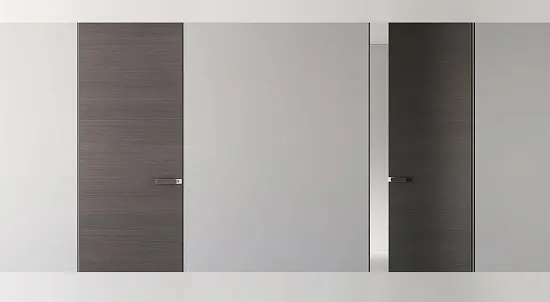
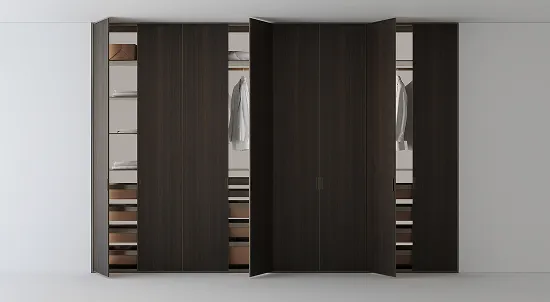
- Bespoke joinery and furniture: doors, wardrobes, cabinetry and wall panels drawn to your room dimensions and built to approved drawings in Rayfitout’s Dubai workshop.
- Architectural and interior renovation: upgrades to existing high-end homes, from layout changes to new finishes.
Homeowners who want luxury home interior design in Nairobi can see the full scope of services there, and the work on the coast includes beachfront villas in Mombasa.

Conclusion
The right choice in Kenya is the firm that can show finished homes like yours, name a registered contractor, say in writing who handles county approval, and put a named person on your site. Shortlist three, give each the same brief and compare their written answers before you compare their mood boards.
Planning a luxury home in Kenya? Share your project location, property type, design requirements, estimated budget and target completion date with Rayfitout. Our team, an interior design company in Kenya with an office in Nairobi, can review your requirements and recommend a suitable approach, whether you need design, bespoke joinery, material procurement or complete design and fit-out services. Drop an inquiry to get started.
Frequently Asked Questions
Does an interior designer in Kenya need a licence?↗
Not by statute at present. Business Daily reported in July 2026 that a proposed law to regulate interior designers was awaiting Parliament’s approval. Contractors, however, must be NCA-registered with a valid practising licence, so verify the contractor’s registration even if the designer’s credentials are informal.
How long does building approval take in Nairobi?↗
There is no reliable figure. The county announced a two-week target in March 2025, but engineers said in May 2025 that it had not yet taken effect. Ask the county for its current timeline and allow longer than the target in your schedule.
Who registers the project with the NCA, the client or the contractor?↗
The owner. The NCA’s guidance says the developer, not the contractor, is responsible for registering a project, and that private projects must be registered too. Agree in writing who prepares the filing on your behalf and who keeps the certificate.
Can you hire an interior designer for a home in Kenya while living abroad?↗
Yes, if the firm gives you written progress reports, regular visuals of site work, and a named person on site who answers your questions. Ask any firm offering luxury interior design in Kenya how often reports arrive, who attends site meetings in Nairobi and who approves changes, and write those terms into the contract.
How many interior designers should you shortlist?↗
Shortlist three. Give each the same brief, the same budget range and the same deadline, then compare the written proposals line by line and speak to a past client of each.


