


Professional interior design matters in a luxury home because the decisions that are expensive to change, where services run, what is built to size and what each item costs, are settled in drawings before a builder, supplier or workshop starts. A clash found on a drawing means redrawing it; a clash found on site means rebuilding finished work.
In South Africa that coordination also covers backup power, security, building approval and electrical compliance, on top of finishes and furniture. This guide explains what a professional designer delivers, where South African rules apply, and when the fee pays for itself, drawing on our work as a luxury interior design company in South Africa.
What Does a Professional Interior Designer Deliver on a Luxury Home in South Africa?
A professional delivers a documented design package, not only a look. The package has six parts:
- Space planning: room layouts and furniture positions set to measured site dimensions.
- 3D visuals: renders of the rooms, so you review the design before anything is ordered.
- Technical drawings: floor plans, ceiling and lighting layouts, elevations and joinery details that a contractor can build from.
- Material and lighting selection: finishes, fittings and light fixtures specified by name and quantity.
- Bill of Quantities (BOQ): a priced list of every item and quantity, so you review costs before procurement begins.
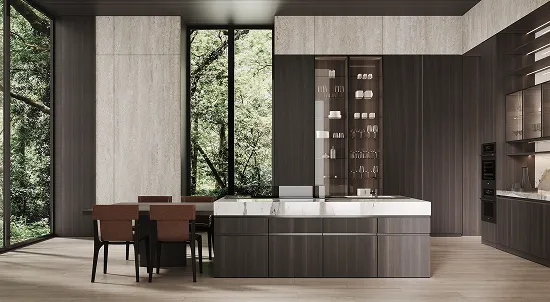
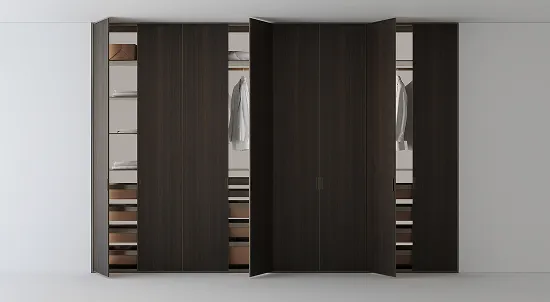
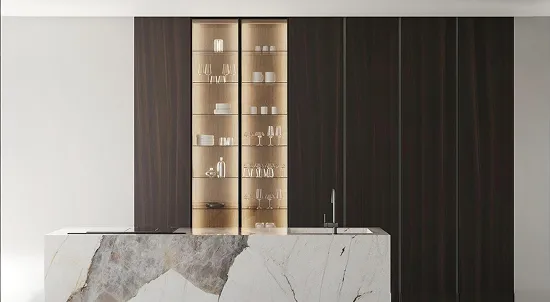
- Joinery design: kitchens, wardrobes, dressing rooms and wall panelling drawn to the room’s measured dimensions.
Without drawings and a BOQ, a builder has to guess dimensions and prices, and every guess becomes a variation on your bill.
Why Do Coordinated Drawings Prevent Rework on a Luxury Home?
They prevent rework because every trade builds from the same set of drawings, so conflicts surface on paper first.
A ceiling shows the problem. Recessed lights, air-conditioning grilles and speakers compete for the same few metres. On a coordinated ceiling layout, the designer moves one fitting; on site, the same clash means cutting into finished plaster.
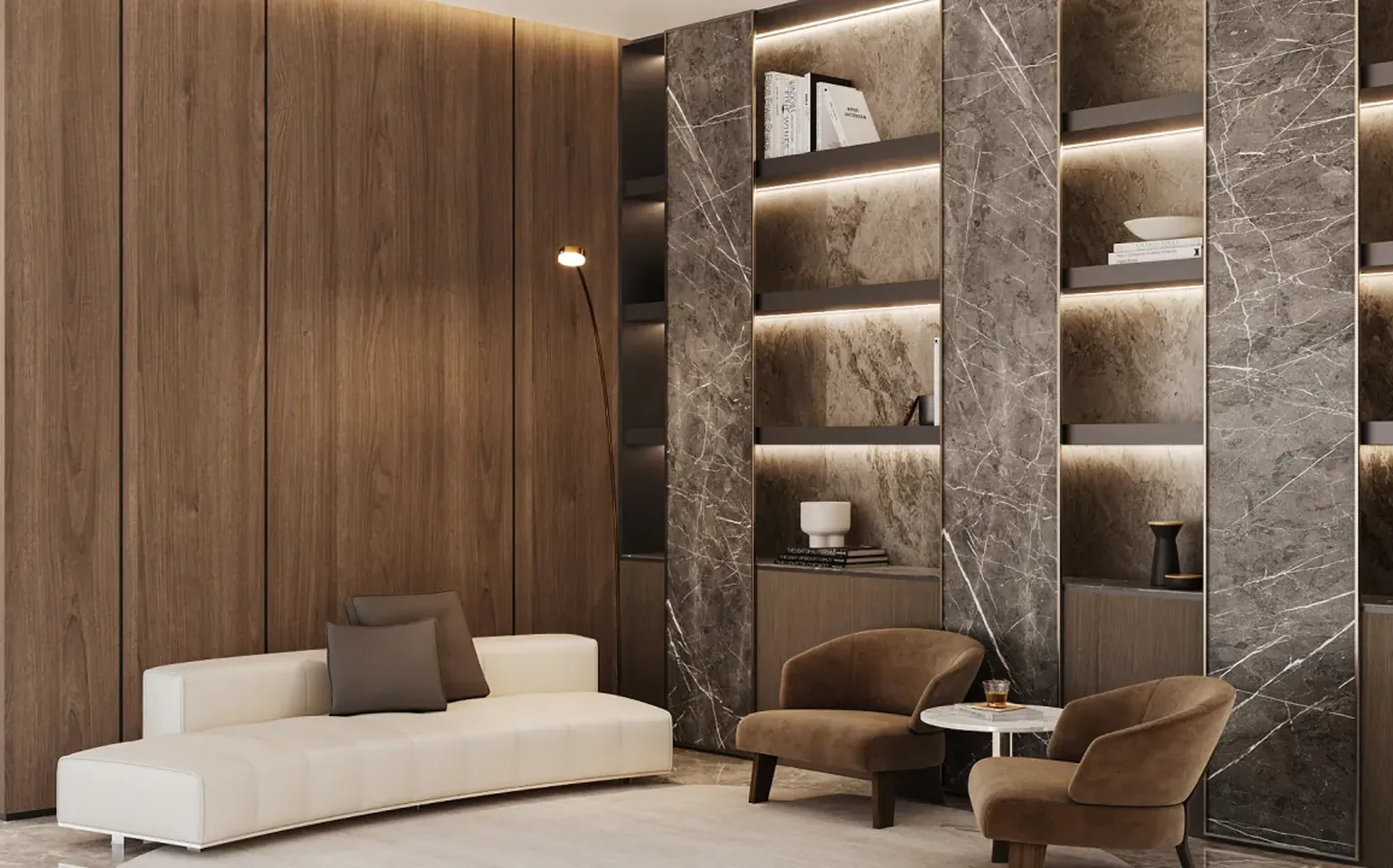
Joinery works the same way. Kitchens, wardrobes and wall panelling are built in a workshop to measured dimensions, so a wrong measurement means a remake, not an adjustment. Rayfitout coordinates lighting, smart-home, HVAC and electrical layouts with the joinery drawings, and builds its bespoke joinery in a 15,000 sq ft Dubai workshop.

How Do Backup Power and Security Shape the Design of a South African Home?
They shape it because both need physical space, cable routes and openings that must be fixed before finishes are chosen.
- Backup power: inverters, battery storage, generators or solar each need a location, ventilation and a cable route to the distribution board. Rayfitout plans for them subject to a technical assessment.
- Security: access control, alarms, privacy screening and security glazing affect window sizes, entrance layouts and cabling.
- Indoor-outdoor living: sliding doors, terraces and outdoor kitchens set floor levels and the materials used where inside meets outside.
We plan these systems as part of our interior design for South African homes, at the design stage and not on site.

Which Approvals and Compliance Certificates Apply to Home Alterations in South Africa?
Three requirements can apply to a luxury home alteration: building plan approval, an electrical certificate of compliance and, for older homes, a heritage permit.
| Requirement | When it applies | Who issues it |
|---|---|---|
| Building plan approval | Before erecting a building that needs plans, and before work such as removing a wall that may change the structure | The local authority (municipality) |
| Electrical certificate of compliance | Every electrical installation, and at least the added or altered part after changes | A registered person |
| Heritage permit | Altering any structure or part of a structure older than 60 years | The provincial heritage resources authority |
Building plans. Section 4 of the National Building Regulations and Building Standards Act says no one may erect a building that needs plans without the local authority’s prior written approval. The City of Cape Town’s guide to minor works lists work that needs no plans, such as replacing non-load-bearing windows and doors, or moving a toilet, bath or geyser without new or extended drainage or plumbing. It says removing a wall that may change the structure needs approval. Each municipality publishes its own guidance, so check yours in Cape Town, Johannesburg or Durban before you set a start date.
Electrical compliance. Regulation 7 of the Electrical Installation Regulations requires every user or lessor of an electrical installation to hold a valid certificate of compliance. For changes to an existing installation, it requires one for at least the addition or alteration, and regulation 9 allows only a registered person to issue it. New lighting circuits and power points are examples of such alterations.
Heritage. According to The Heritage Portal (1 January 2022), section 34 of the National Heritage Resources Act bars anyone from altering a structure older than 60 years without a permit, defines alteration to include painting and plastering, and still requires a permit for interior-only work.
Ask your designer who prepares each application and who holds each certificate at handover.
When Is a Professional Interior Designer Worth the Fee on a Home in South Africa?
A professional designer is worth the fee when your project has two or more of the following:
- Custom joinery: kitchens, wardrobes or panelling, because a wrong measurement means a remake.
- Structural or service changes: moved walls, new lighting circuits, air-conditioning or backup power equipment, because these trigger approvals and certificates.
- Several trades: electricians, plumbers, joiners and painters working in the same rooms, because someone must sequence them.
- Imported items: stone, lighting or furniture shipped from abroad, because each item needs a specification and a delivery date before it is ordered.
- An owner abroad: because decisions are made from drawings and visuals, not site visits.
A repaint or a furniture refresh in one room has none of these, so it rarely needs a full drawing package.

How Does Rayfitout Work With Homeowners in South Africa?
Rayfitout is a Dubai-based design-and-build company founded in 1989. It works with homeowners in Cape Town, Johannesburg and Durban from its Dubai headquarters, with remote consultations and digital presentations for owners living overseas.
Work starts with a consultation and site measurements, moves to a design package with a BOQ, and continues through joinery production, shipping and customs, installation under supervision, and approvals, snagging and handover. One team manages design, joinery, procurement and planning, subject to the contract structure agreed with you.
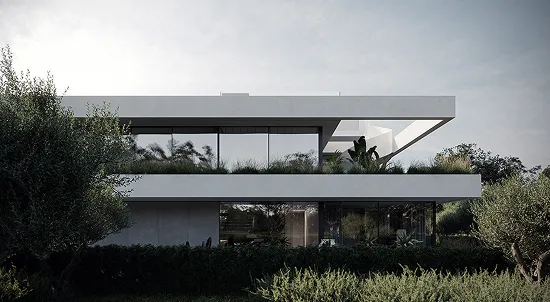
Our residential interior design services in South Africa cover villas, penthouses and apartments. A completed example is our modern villa in South Africa.

Conclusion
Professional interior design matters on a South African luxury home because it turns decisions into drawings, a priced BOQ and a list of approvals and certificates before work starts, so problems are found on paper and not in finished rooms. Ask to see those documents before you sign.
If you are planning a villa, penthouse or apartment in Cape Town, Johannesburg or Durban, see how we work as an interior design company in South Africa and drop an inquiry with your brief.
FAQs
Do you need an interior designer if you already have an architect?↗
Yes, if the home has custom joinery, a detailed lighting scheme or a full furniture package. An architect designs and documents the building for approval; an interior designer documents what is built and fitted inside it. Agree in writing which of the two draws the ceiling and joinery layouts, so none is drawn twice or missed.
When should you hire an interior designer on a new build?↗
Hire one before the architect finalises the plans. Wall positions, window sizes, plumbing points and electrical points are fixed at that stage, and moving them later means changing built work.
What is a Bill of Quantities, and should you ask for one?↗
A Bill of Quantities (BOQ) is a priced list of every item and quantity in the design. Ask for it before procurement begins, so you see the cost of each item and can change the scope before anything is ordered.
Can a designer based outside South Africa manage a home in Cape Town or Johannesburg?↗
Yes, if the designer offers remote consultations, takes site measurements and supervises installation. Rayfitout runs consultations and digital presentations remotely for owners living overseas, and confirms shipping, delivery timelines and customs before scheduling joinery.
Who installs smart-home and lighting control systems?↗
Rayfitout uses in-house automation engineers for smart-home systems, and coordinates them with the lighting, HVAC and electrical layouts. Ask any designer who installs and commissions the system, and who holds the electrical certificate of compliance.


