







Choose the interior designer who can show finished homes like yours, state in writing who handles permits, imports and installation, and name the people who will be on site in Ghana. Three Ghana factors shape that choice: Assembly permit applications require drawings signed by a certified architect and an engineer, imported goods clear customs through the ICUMS system, and installation is carried out on site by local contractors, so who supervises them matters as much as the design.
These factors apply to luxury interior design in Ghana wherever the home stands, from gated communities in Accra and Tema to coastal properties in Takoradi and homes in Kumasi. The sections below cover what to check before you shortlist, whether a renovation needs a permit, how imported finishes clear customs, whether to choose a design-only or a turnkey service, how to match a designer to your type of home, and what the contract should cover.
What Should You Check Before You Shortlist an Interior Designer in Ghana?
Check six things, and ask for a document that proves each one:
- Homes like yours: finished photographs of a villa, townhouse, duplex or apartment of similar size, not only 3D renders. Apply the same test to our portfolio.
- Technical drawings: floor plans, ceiling and lighting layouts, elevations and joinery details that a contractor can build from.
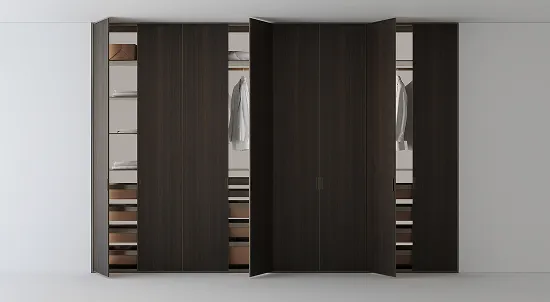
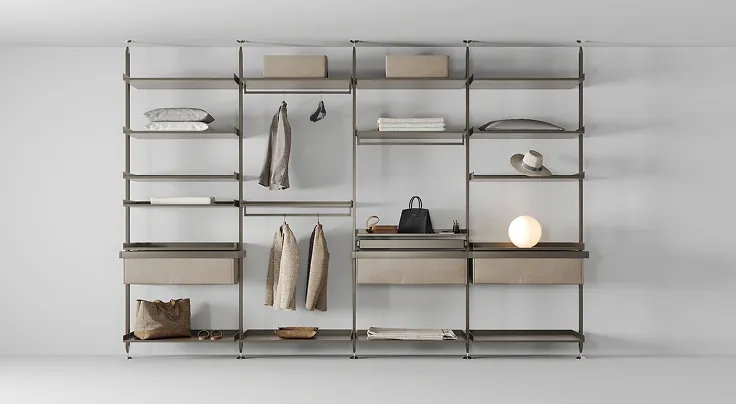
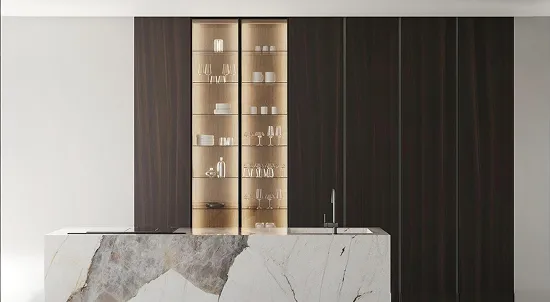
- Joinery: where kitchens, wardrobes and wall panelling are made and how they are checked before shipping. Rayfitout produces its bespoke joinery in a 15,000 sq ft Dubai facility, with quality control before shipping.
- A priced scope: a Bill of Quantities (BOQ) listing every item and quantity, so you review the budget before anything is ordered.
- Local installation: the supervisor and the local contractors, named before shipping.
- References: two past clients you can call about the schedule, changes and snagging (the final defect list).

Does a Home Renovation in Ghana Need a Permit?
It can, and your Assembly decides, because the guidelines do not say whether interior-only work is covered. The Accra Metropolitan Assembly's permitting guidelines list three triggers:
- Development permit: erecting a structure, making a structural alteration to it, or installing fittings in connection with it.
- Renovation permit: any transformation that restores a building or structure to its original state.
- Remodelling permit: any change to a permitted structure that results in structural changes.
Applications include four copies of architectural drawings signed by a certified architect and four copies of structural drawings signed by an engineer, among other documents. The guidelines show no date, and Assemblies in Tema, Kumasi and Takoradi publish their own requirements, so ask your Assembly for its current checklist before you set a start date. When you interview designers, ask who prepares the drawings and who submits and tracks the application.
How Do Imported Finishes and Furniture Clear Customs in Ghana?
The importer or the importer's agent clears them through ICUMS, Ghana's online customs system. According to the US government's Country Commercial Guide for Ghana, last published on 6 August 2025, the steps are:
- Import Declaration Form: submitted to the Ministry of Trade and Industry, manually or electronically, for a fee of GHS 5.
- Tax Clearance Certificate: issued in the importer's name.
- Bill of Entry: applied for electronically, with the supporting documents uploaded in ICUMS.
- Customs declaration: submitted through ICUMS, after the shipping company submits the manifest to GRA Customs.
- Payment: duties and charges are paid to an authorised dealer bank.
The guide gives no duty rates for furniture or finishes, so ask every designer who acts as importer, who appoints the clearing agent and who pays the duties before you sign.
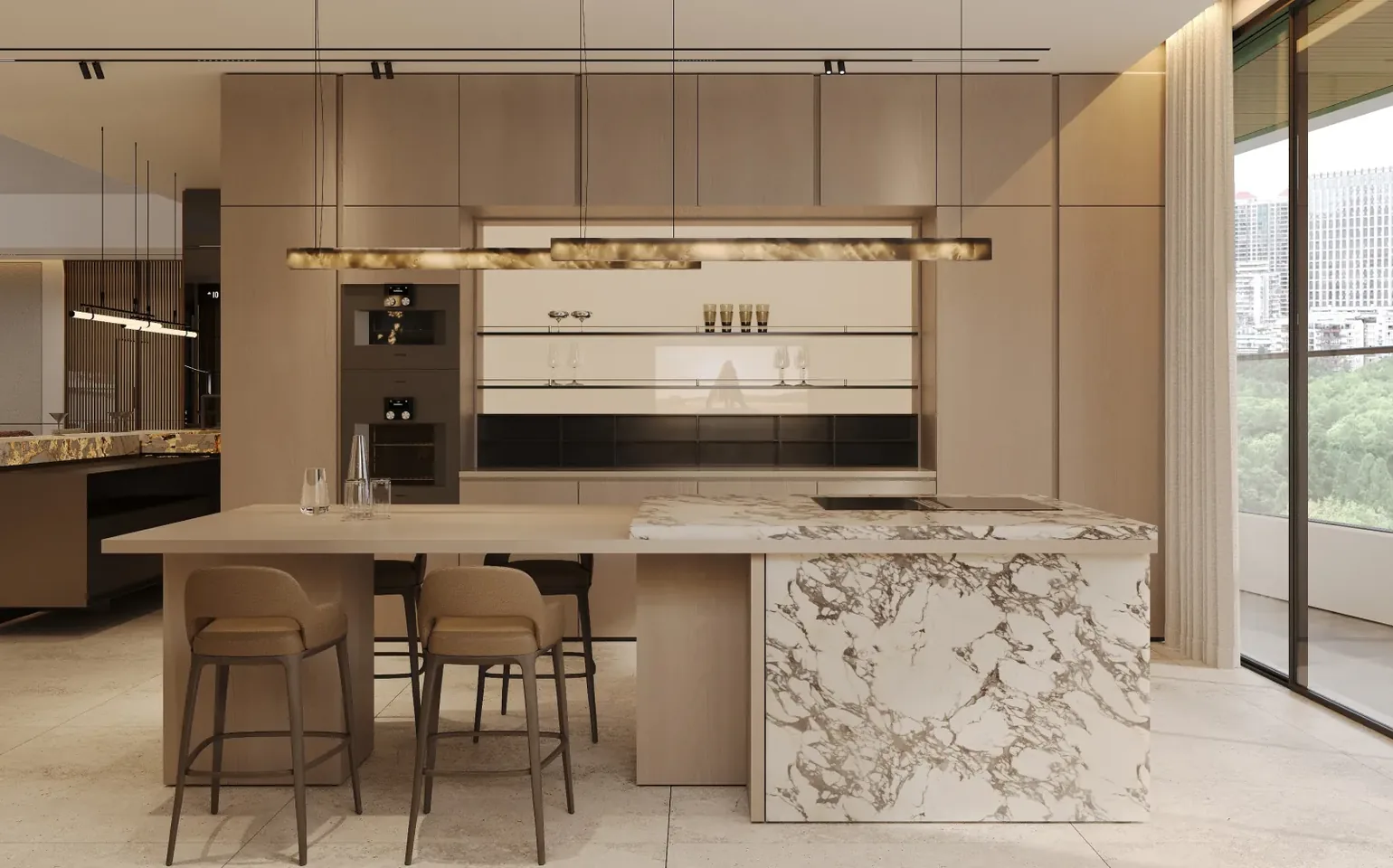
Should You Choose a Design-Only or a Turnkey Service in Ghana?
Choose turnkey when you want one party responsible for design, joinery, shipping and installation, and design-only when you will hire and manage the contractors yourself.
| Factor | Design-only | Turnkey |
|---|---|---|
| Contractors | You hire and manage them | Identified in advance under the agreed scope |
| Shipping and customs | You or your agent arrange them | Arranged as the contract sets out |
| Responsibility | Split between designer, contractors and suppliers | Set out in one agreed scope of work |
| Best for | An owner living in Ghana who wants direct control of each trade | An owner abroad, or a home with custom joinery and imported items |
Our turnkey interior design in Ghana defines the deliverables, responsibilities, delivery arrangements and installation requirements in the agreed scope. Whichever model you choose, get that division of responsibility in writing before you pay a deposit.

How Do You Match an Interior Designer to Your Type of Home in Ghana?
Ask the designer to show a finished home of your type, because each type raises a different question:
| Home type | What to ask the designer to show |
|---|---|
| Gated-community or executive detached house | A finished detached home of similar size, with the joinery and lighting drawings behind it |
| Duplex or townhouse | A finished multi-storey home, and how the design was coordinated across floors |
| Traditional Ghanaian home | How the designer adapted the design to the existing architecture and layout |
| Coastal or holiday home | Which materials were chosen for coastal conditions, and the technical basis for each |
| Urban apartment | The measured plan and fitted furnishings of a comparable apartment |
A designer who has no home of your type to show should explain, with drawings, how the team would approach yours.
What Should Your Interior Design Contract and Payment Schedule Cover?
It should fix six things in writing before you pay a deposit:
- Scope and deliverables: whether the fee covers drawings, 3D visuals, the Bill of Quantities, joinery, shipping and installation.
- Payment milestones: each payment tied to a deliverable, such as concept approval, signed drawings, the joinery order, shipment and handover.
- Import responsibility: who acts as importer, who appoints the clearing agent and who pays the duties.
- Permit responsibility: who prepares and submits the Assembly application.
- Damage in transit: who replaces an item that arrives damaged, and who pays for it.
- Delays: what happens to the schedule and the payments if a permit or customs clearance takes longer than planned.
Where a clause is missing, ask for it before you sign.
How Does Rayfitout Work With Homeowners in Ghana?
Rayfitout is a Dubai-based, family-owned design-and-build company. It provides residential interior design in Ghana for villas, townhouses, penthouses and apartments in Accra and Tema, Takoradi and Kumasi from its Dubai headquarters, and produces their kitchens, wardrobes, vanities, TV units and wall panelling in its Dubai facility.
A project runs from consultation, brief and budget range, through concept design, 3D visuals and approvals, to joinery production with quality control before shipping. Shipping, customs clearance and installation in Ghana follow, with installation arrangements set in advance with the designated installation supervisor and local contractors.

Conclusion
Choose the interior designer who can show finished homes like yours, name who handles the Assembly permit, ICUMS clearance and installation, and put the division of responsibility in writing. Ask to see those documents before you sign.
If you are planning a home in Accra, Tema, Takoradi or Kumasi, see how we work as an interior design company in Ghana and drop an inquiry with your brief.
FAQs
Can a designer based outside Ghana supervise installation?↗
Yes, if a named installation supervisor and the local contractors are identified before shipping. Rayfitout sets installation arrangements with its designated installation supervisor and local contractors in advance.
Should a quote be based on a measured site visit?↗
Yes. Measurements decide the joinery drawings and the Bill of Quantities, so ask whether the quote comes from measured dimensions or from estimates.
What can you change after the design is approved?↗
You can change it, but each change is a variation against the Bill of Quantities. Ask for a written change order that states the new cost and any delay before the work changes.
What is snagging, and who signs it off?↗
Snagging is the final inspection list of defects in finished rooms. The owner and the designer walk each room, record the defects, and the contractor fixes them before the owner signs the handover.
What should you receive at handover?↗
You should receive the approved drawings, the final Bill of Quantities, the signed snagging list and any permit or certificate documents issued for the work.


