
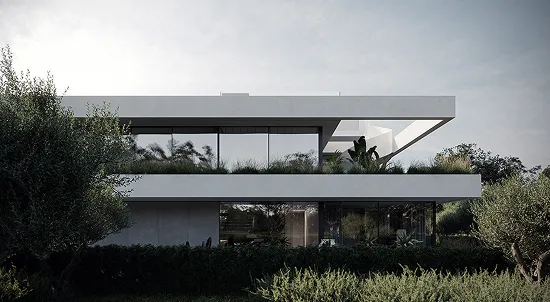
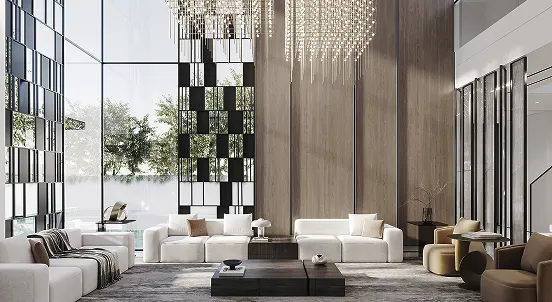
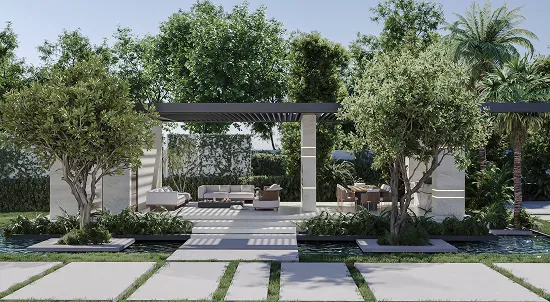
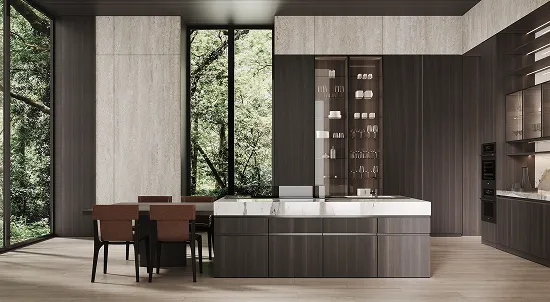


Hire the interior designer who can show finished luxury homes, tell you in writing which language the contract and drawings will be in, and explain who handles permits, customs clearance and site supervision. Ivory Coast adds three factors that a general guide misses: French is the official language, the building permit procedure lists architect-signed plans, and imports are declared through the national customs portal, GUCE.
This guide shows what to check in a designer’s portfolio and drawings, whether a renovation needs a building permit, how imports clear customs, and which questions to put in writing before you sign. It is written by Rayfitout, a luxury interior design company in Ivory Coast with its headquarters and joinery production in Dubai.
Rayfitout is a Dubai design-and-build company with 37+ years of experience. Each check below can be answered with a document, a drawing or a named person, not a promise.
What Should You Look For in an Interior Designer in Ivory Coast?
Look for evidence in six areas, and treat a gap in any of them as a question for the firm before you pay a deposit:
- Finished luxury homes: villas, penthouses or large apartments similar to yours, shown as photographs of completed rooms rather than only 3D renders.
- Language: French is Côte d’Ivoire’s official language, so confirm in writing whether the contract, drawings and progress reports will be in French, English or both.
- Technical drawings: floor plans, ceiling and lighting layouts, elevations and joinery details that a contractor can build from, not only mood boards.
- Joinery and sourcing: kitchens, wardrobes and doors drawn to your room dimensions and built to approved drawings, plus a named process for approving samples and tracking orders. Rayfitout builds its bespoke joinery in its Dubai workshop.
- Import and permit handling: who clears imported goods through customs and who prepares building permit applications.
- Site supervision and handover: who is on site, how often, how progress is reported, and how snagging (the final defect list) is closed out.

Does a Home Renovation in Ivory Coast Need a Building Permit?
Confirm with the Mayor’s office or the Ministry of Construction before you start, because the official guidance does not say whether interior-only work is covered. The Ivorian government’s procedure for requesting a building permit (permis de construire) sits under “construction, modification and demolition”. It lists these documents:
- Property: the land title and an urban planning certificate.
- Design: architect-signed plans, a structural plan and a safety notice.
- Site: a soil study and, where needed, an environmental impact study.
The permit is issued after a commission gives a favourable opinion, and it is signed by the Minister of Construction (ministerial permit) or by the Mayor (municipal permit). The procedure was last updated on 8 November 2016, so fees, delays and documents may have changed. When you interview designers, ask who prepares the application, whether they work with a registered architect, and who tracks it.
How Do Imports and Customs Affect Your Interior Design Schedule?
They affect it because a luxury home usually depends on imported stone, lighting, fittings and furniture, and each shipment must be declared and cleared. According to the US government’s Country Commercial Guide for Côte d’Ivoire, last published on 26 May 2026:
- Declaration: imports are declared through GUCE, the national single window for trade, with an import declaration (FDI), a commercial invoice, a packing list, a bill of lading or air waybill, and certificates of origin where required.
- Verification: goods with a FOB value of 1,000,000 CFA francs (about US$1,600) or more need an RFCV certificate obtained through GUCE before clearance, and goods below that generally need an AV.
- Charges: duties are charged on CIF value, plus 18% VAT and a 1% statistical duty.
A shipment of imported stone, lighting and furniture for a villa is likely to exceed the 1,000,000 CFA franc threshold, so ask every designer who acts as importer, who files the declaration and who pays the duties. Furniture, finishes and building materials are not among the categories the guide lists as needing a licence, but check your own product list with a clearing agent.
What Changes When Your Interior Designer Is Based Outside Ivory Coast?
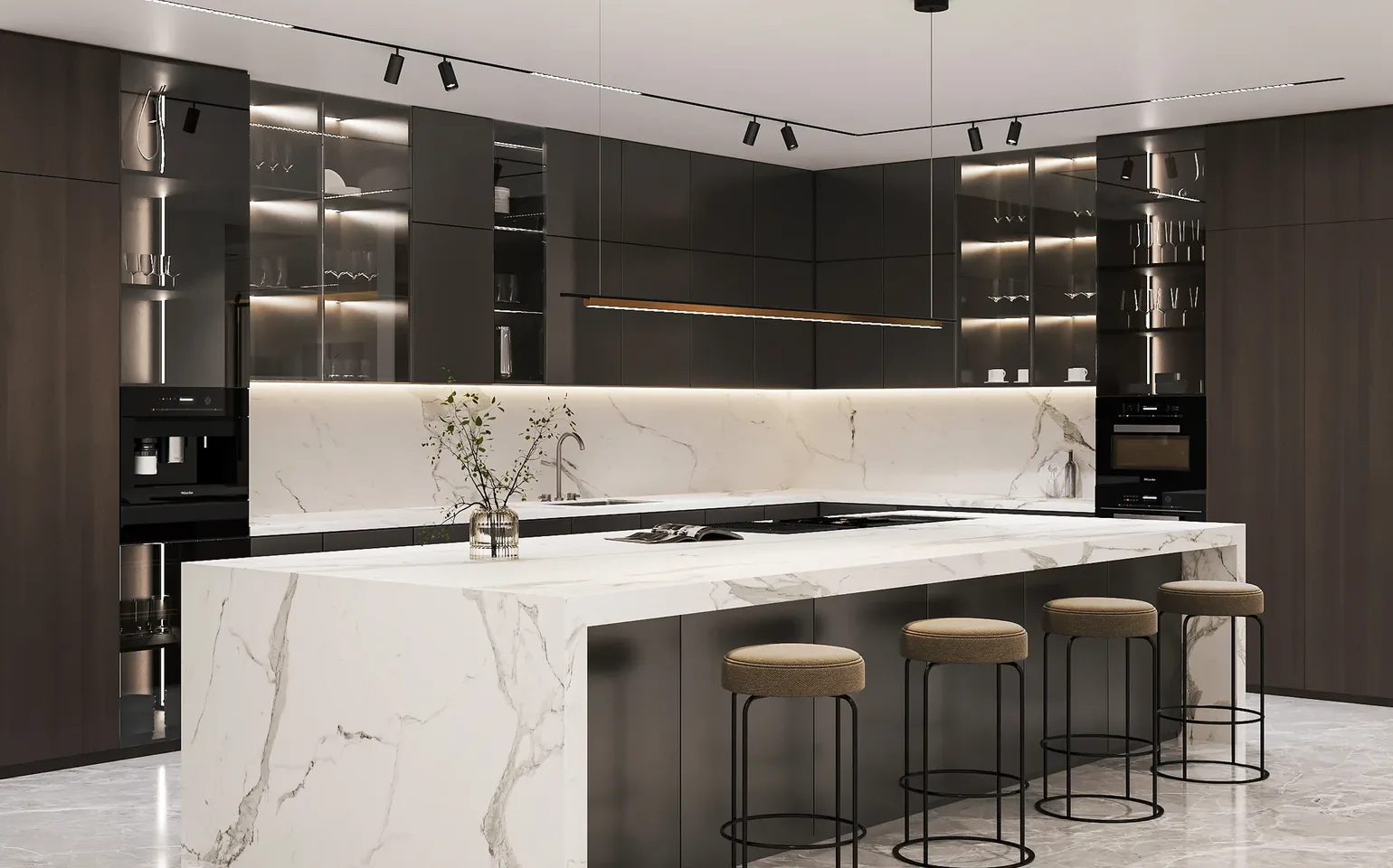
A Dubai-based designer works with imported finishes and joinery built in a workshop outside Ivory Coast, so five points need to be settled in writing before work starts:
| Factor | What to settle in writing |
|---|---|
| Materials | Which finishes are imported and which are bought locally |
| Joinery | Where it is built, how it is shipped and who installs it |
| Customs | Who files the import declaration and who pays the duties |
| Language | The language of the contract, drawings and reports |
| Site presence | Who supervises installation on site and how progress is reported |
Customs adds a declaration step to every shipment, and language decides whether you can read your own contract and drawings. Ask who will manage clearance in Abidjan and confirm the language in which you will receive drawings and reports.

What Questions Should You Ask an Interior Designer in Ivory Coast Before Hiring?
Ask the questions below and get the answers in writing. Attach the replies to your contract, so each answer becomes a commitment you can point to if the schedule slips.
- Scope: which services are in your fee: concept, technical drawings, procurement, joinery, site supervision and snagging?
- Fees: is the fee fixed, a percentage of the build cost or hourly, and which payments are tied to which milestone?
- Language: will the contract, drawings and progress reports be in French, English or both?
- Approvals: who prepares the building permit application, and does the firm work with a registered architect?
- Imports: who is the importer of record, who files the declaration through GUCE and who pays the duties and VAT?
- Responsibility: who buys the materials, who builds the joinery and who answers if something arrives damaged or does not fit?
- Schedule: how long do design, approvals, shipping, customs and installation take on a home like yours, and which steps have the longest lead times?
- Site presence: who is on site day to day, how often does the lead designer visit, and how do you receive progress reports?
- Handover: how is snagging recorded and how long does the firm take to close it?
How Do You Check an Interior Designer’s Portfolio and References in Ivory Coast?
Check that the portfolio shows completed luxury homes in Africa, then speak to at least two past clients before you sign. Four checks make the portfolio useful:
- Look for finished photographs. Renders show intent; photographs of completed rooms show what was built, including joinery edges, stone joins and lighting.
- Match scale and type. A designer with only apartments may not have run a villa with a full joinery package, so ask for a home closest to yours in size.
- Ask what the firm did. Some portfolios mix homes where the firm did design only with homes it built from start to finish. Ask which is which.
- Call two past clients. Ask whether the schedule held, how changes were handled and whether snagging was closed on time.
For comparison, Rayfitout’s featured African homes include a private penthouse in Kampala, and the rest are listed in our portfolio.

How Does Rayfitout Work With Homeowners in Ivory Coast?
Rayfitout is a Dubai-based design-and-build company founded in 1989, with its headquarters and joinery production facility in Dubai. It works on luxury homes in Abidjan, including Cocody and Riviera, and in Grand-Bassam and Yamoussoukro, offering villa interiors, penthouse and apartment interiors, and bespoke kitchens, wardrobes and doors.
Rayfitout runs a home through six stages: site survey, approvals, joinery production, shipping and customs, installation, and handover. When you discuss your home with our team, ask who is responsible for each of those six stages, and read the full scope of our interior design for luxury homes in Ivory Coast.
Conclusion
The right interior designer in Ivory Coast is the one who can show finished homes, name who handles permits and customs, work in the language of your contract and name one person responsible at each stage from drawings to handover. Hold our team to those four points when you speak to us.
If you are planning a home in Abidjan, Grand-Bassam or Yamoussoukro, see how we work as an interior design company in Ivory Coast and drop an inquiry with your brief.
FAQs
Do you need a separate contractor if you hire an interior designer?↗
It depends on the fee. A design-only fee covers concept and drawings, so you hire and manage a contractor yourself. A design-and-build agreement puts design, production and installation under one contract.
How much should you pay up front?↗
There is no fixed rule, so tie each payment to a deliverable, such as concept approval, signed drawings, the joinery order, delivery and handover, and get the schedule in writing before you pay anything.
Can you hire an interior designer in Ivory Coast while living abroad?↗
Yes, if the firm provides remote approvals, weekly written progress reports with photographs and a named person on site. We offer luxury interior design in Ivory Coast with one team from survey to handover, which gives you one point of contact for every decision.
Which documents should you keep during the project?↗
Keep the signed contract, approved drawings, written change orders, import and clearance paperwork, and the snagging list. They are your record if a dispute over scope, cost or damage arises.
How do you start a project with Rayfitout in Ivory Coast?↗
Send an inquiry with the property’s location, the rooms in scope and your target dates. The first stage is a consultation and site survey, where the brief is set and the property is measured.


