
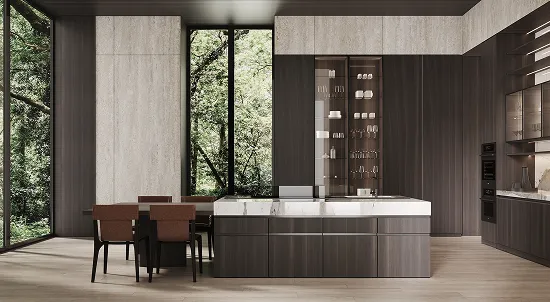
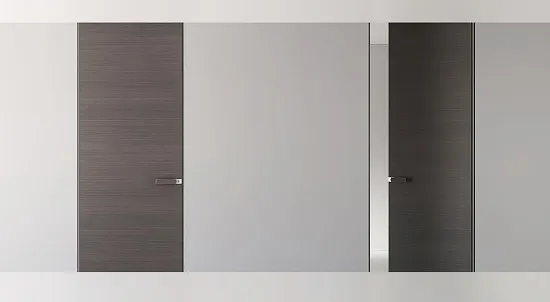
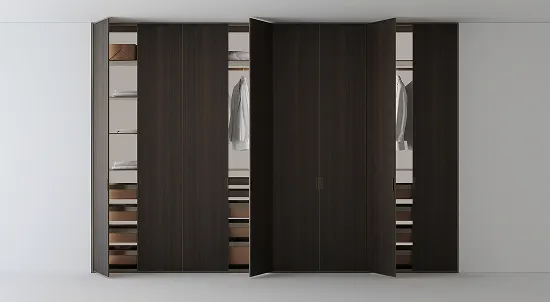
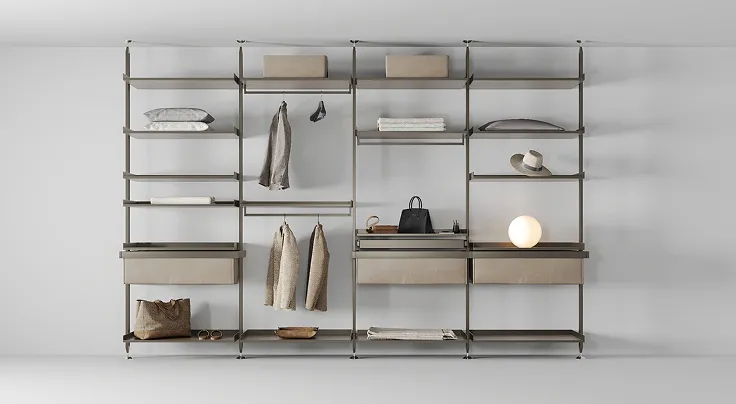



Many people assume interior design is reserved for luxury homes and unlimited budgets. In reality, a successful project begins with a well-defined budget rather than a high level of spending. Clear financial planning gives you confidence before work starts, establishes realistic expectations, and helps you focus on the improvements that matter most. With a clear plan in place, your investment stays aligned with your priorities instead of being influenced by impulsive decisions during the project.
This guide explains how to create a realistic budget for your Dubai interior design project, understand the factors that influence overall costs, and identify practical opportunities to save without compromising quality. It also highlights the areas that deserve a larger share of your investment, the common reasons projects exceed their budgets, and how working with an experienced interior design company in Dubai can help you avoid costly mistakes through informed planning and efficient project management.
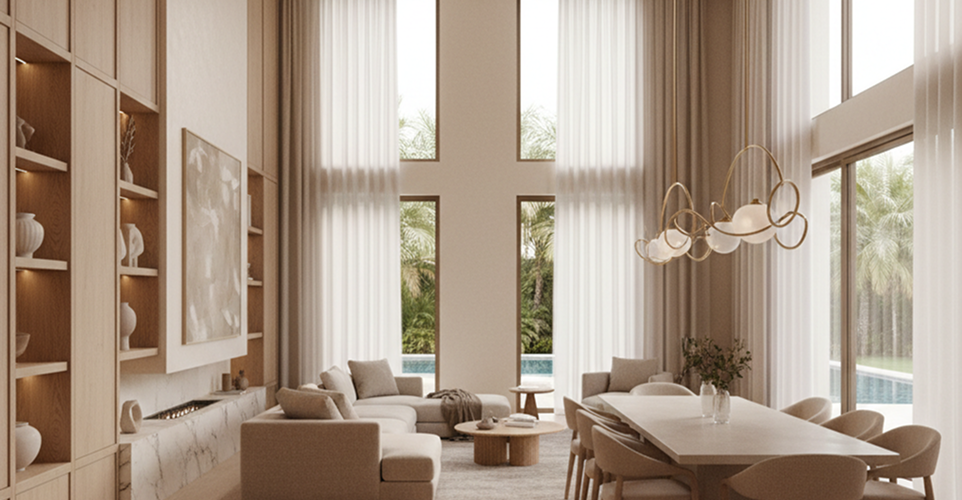
Why Budgeting Matters Before Starting an Interior Design Project?
A clear budget reduces uncertainty, but for interior design projects, this is also where most cost overruns are actually determined before any work begins. It establishes what is achievable, keeps decisions grounded, and reduces uncertainty during planning. Without it, selections around materials, finishes, and layouts tend to shift repeatedly, creating avoidable confusion. It also helps separate essential work from optional upgrades, so attention stays on what directly affects function and daily use.
Financial clarity reduces pressure during execution and limits last-minute changes that slow progress. Contractors and designers can prepare accurate proposals when cost limits are known, improving coordination and reducing revisions. A defined budget also accounts for unexpected costs, preventing disruption when site conditions change or additional work appears during execution.
What Determines the Cost of an Interior Design Project?
Interior design cost does not follow a fixed formula tied to area alone. Two spaces with similar dimensions can sit at very different investment levels due to differences in scope, materials, execution method, and approval requirements. Understanding these drivers gives clarity on why pricing shifts across projects and helps set realistic expectations before planning begins.
- Property Size: Larger properties demand more materials, labour, and coordination, especially in villas that include majlis areas, kitchens, suites, and outdoor spaces. Apartments tend to follow more defined layouts, though upgrades in joinery and finishes can still raise investment levels. Cost often reflects layout complexity and detailing rather than overall square footage.
- Scope of Work: Design-only involvement focuses on planning, drawings, material specification, and technical guidance for execution. Turnkey delivery extends to procurement, fabrication, construction, installation, and full site coordination. Structural changes such as wall removal or ceiling adjustments increase execution effort, while surface updates like paint or lighting adjustments require lighter involvement.
- Material Selection: Standard finishes such as laminates and ceramic tiles follow controlled manufacturing processes with predictable pricing. Natural stone like marble requires extraction, cutting, and finishing, increasing production effort. Imported materials add sourcing and logistics layers. Bespoke joinery covers kitchens, wardrobes, and storage systems built to specification, while designer lighting depends on brand sourcing and technical detailing.
- Custom vs Ready-Made Furniture: Custom furniture is developed for specific dimensions, storage needs, and spatial constraints, involving design, fabrication, and installation. Ready-made pieces suit standard layouts and reduce production time and cost. Selection depends on functional requirements and level of customization needed.
- Labour and Installation Costs: Execution quality depends on skilled labour across electrical, carpentry, painting, and installation works. Inaccurate installation leads to rework and additional cost, while professional execution reduces errors and strengthens long-term durability of finishes.
- Location and Accessibility: Project location affects transport logistics, material handling, and site coordination. Restricted access areas increase installation effort and time. Community regulations influence working hours and contractor entry, while approvals in developments such as Emaar, Nakheel, and DAMAC require documentation and define project scheduling.
.png)
How Much Should You Budget for an Interior Design Project?
Interior design budgets in Dubai vary widely based on project goals, scope of work, material selection, and level of customization. A simple apartment refresh follows a very different cost structure compared to a full villa renovation involving bespoke joinery, imported finishes, and detailed ceiling or lighting works. Clear project intent carries more weight than searching for a fixed figure, especially in a market shaped by diverse material options and execution standards.
A practical approach is to plan budgets by space or project phase instead of viewing the property as a single cost block. Kitchens, bathrooms, majlis areas, living spaces, and bedrooms each carry distinct cost drivers, particularly when plumbing, electrical upgrades, or custom joinery are involved. Another useful method involves percentage allocation across key categories such as joinery, flooring, lighting, labour, and finishing works, allowing funds to be directed based on priority instead of guesswork. Flexibility remains important due to material imports, approval requirements in communities, and on-site adjustments during execution. Defining a comfortable spending limit before engaging an interior designer in Dubai creates a clear framework for planning, supplier selection, and cost control throughout the project.
These percentages serve as a general planning guide for interior design projects in Dubai. Actual allocations vary depending on property type, project scope, material selection, and the level of customization. This breakdown is where most projects either remain within budget or begin drifting beyond their intended budget. The difference usually comes down to how early these allocations are defined.
Can an Interior Designer in Dubai Work Within a Fixed Budget?
Yes - If the Budget Is Clear from Day One
Clear financial direction at the start helps establish scope across villas, apartments, and commercial spaces in Dubai. It defines priorities such as kitchens, wardrobes, bathrooms, and majlis areas while separating essential works from optional additions like feature walls or decorative upgrades. Transparency at this stage helps align expectations with available investment and reduces mid-project adjustments caused by shifting selections.
Designers Help Allocate Budget More Efficiently
In Dubai projects, experienced interior designers direct investment toward high-impact areas such as custom joinery, lighting layouts, durable finishes, and kitchen planning, all of which influence daily use and long-term value. Secondary items such as decor, loose furniture, and accessories receive controlled allocation. This approach reduces unnecessary purchases, especially when sourcing options range from local suppliers to imported materials across multiple price tiers. If you are planning to work with a professional, it’s important to understand how to evaluate and choose the right expert for your project. You can read our guide on How to Select an Interior Designer in Dubai to make a more informed decision before starting.
Professionals Help Avoid Expensive Mistakes
Incorrect measurements, unsuitable material choices, or furniture that does not fit built-in layouts can lead to rework and added cost in Dubai projects, especially in custom villas and high-rise apartments. Poor planning in early stages often affects installation schedules due to coordination with building management and community regulations. An experienced interior designer in Dubai reduces these risks through accurate documentation, site-specific planning, and coordinated procurement before execution begins.
Budget Doesn't Mean Sacrificing Design
A defined budget does not restrict design quality when planning is intentional. Strong layouts, thoughtful joinery design, and well-planned lighting can create strong visual impact without reliance on high-cost finishes. In Dubai, effective design decisions often deliver stronger spatial outcomes than expensive materials selected without detailed planning or coordination.
How to Create an Interior Design Budget Step by Step
Building a clear budget for an interior design project in Dubai requires a structured approach tied to how spaces are actually used, built, and executed. Costs shift across villas, apartments, and commercial spaces due to differences in joinery scope, imported materials, labour coordination, and approval requirements in residential communities. A step-by-step method helps define priorities early, control allocation across categories, and reduce financial adjustments during site execution.
- Define Your Goals: Lifestyle needs shape the entire budget structure. Family size, guest hosting frequency, storage requirements, and daily routines determine how much investment goes into kitchens, wardrobes, living areas, and bathrooms. Functional requirements such as kitchen usage intensity or workspace needs influence layout and storage planning. Design direction also plays a part, including material preferences, lighting requirements, and level of detailing across key areas.
- Separate Essentials from Luxuries: Core requirements include kitchen fit outs, bathroom upgrades, built-in storage, electrical and plumbing works, and primary lighting systems. These elements support daily function and form the foundation of the project. Secondary additions include decorative wall finishes, feature ceilings, statement furniture, and non-functional décor elements. Separating these clearly prevents overspending on visual upgrades before functional needs are secured.
- Allocate Budgets by Category: Budget planning in Dubai typically covers furniture, flooring, lighting, paint, joinery, accessories, labour, and installation. Joinery covers kitchens, wardrobes, and built-in storage systems that require fabrication and precise installation. Flooring and lighting carry long-term usage impact and depend on material durability and specification level. Labour includes carpentry, electrical work, plumbing, painting, and site coordination, all influenced by contractor scope and project complexity.
- Leave Room for Unexpected Costs: A 10–15% contingency is standard across Dubai interior projects due to site conditions and execution variables. Common factors include concealed plumbing or electrical issues discovered during demolition, adjustments required for uneven surfaces, waterproofing corrections in wet areas, and changes driven by building or community regulations. Imported material delays and mid-project design refinements also affect timelines and cost flow. This reserve keeps execution stable without disrupting planned work.
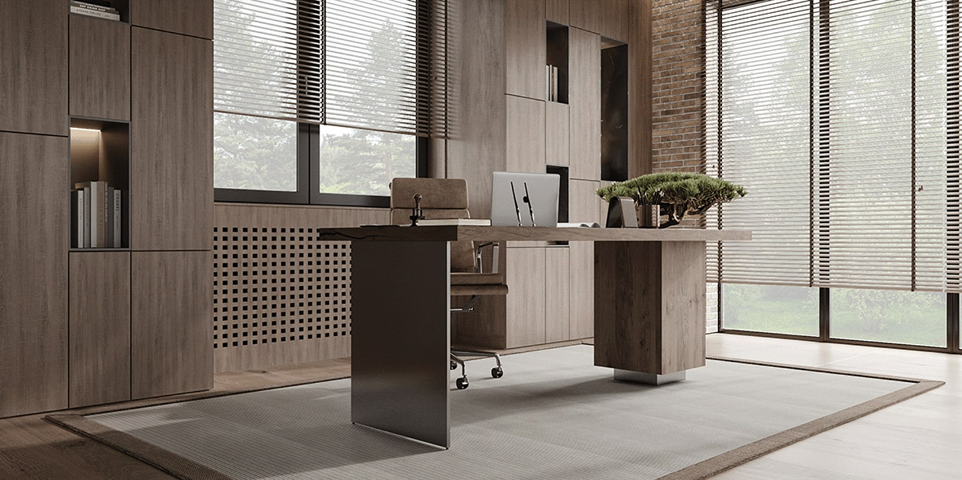
Why Do Interior Design Projects Go Over Budget?
Budget overruns in interior design projects in Dubai usually stem from decisions made after work begins or from gaps in early planning. Once site work starts, even small changes affect material orders, labour schedules, and coordination across multiple trades. In most cases, budget overruns are not caused by a single major mistake but by a series of small decisions made after construction begins. Understanding the main causes helps prevent financial drift during execution.
- Scope Changes During Construction: Mid-project additions such as extra joinery, upgraded finishes, or revised layouts increase material orders and labour hours. Design adjustments after execution begins often require rework, especially when carpentry, electrical, or plumbing tasks are already completed.
- Unrealistic Initial Budgets: Budgets set without reference to current material pricing or labour rates in Dubai create gaps between expectation and execution. Upgrading to premium finishes after selecting a lower-cost baseline also increases total spend beyond initial planning.
- Poor Planning: Incomplete quotations, missing site measurements, and unclear work schedules lead to inaccurate cost estimates. Lack of coordination between design and execution teams often results in repeated site visits, revised orders, and extended timelines.
- Low-Quality Materials That Need Replacing: Material choices based only on lower upfront cost can lead to early wear, breakage, or performance issues. Replacement work increases total cost over time and adds disruption during occupancy or near project completion.
- Hiring Multiple Contractors Without Coordination: Separate teams handling joinery, electrical, plumbing, and finishing without unified coordination can create overlaps in work scope. Miscommunication between contractors leads to delays, repeated work, and scheduling conflicts on site.
- Hidden Structural Problems: Issues such as concealed plumbing leaks, outdated electrical wiring, waterproofing failures, or damaged wall substrates often appear during demolition. These conditions require corrective work before finishing stages can proceed, affecting both timeline and cost structure.
Where Can You Save Money Without Making Your Home Look Cheap?
Cost control in Dubai interior projects does not depend on reducing quality across the board. It comes from directing investment toward high-impact areas and reducing unnecessary spending on elements that do not define daily use or long-term value. The key is not reducing quality, but identifying areas where visual impact does not depend on high-cost investment.
- Mix Premium Pieces with Affordable Furniture: Investment can be concentrated on key pieces such as sofas, dining tables, or custom joinery that define the space. Secondary furniture like side tables, accent chairs, or occasional units can be sourced at lower cost without affecting the overall composition of the room.
- Choose Quality Paint Instead of Expensive Wall Treatments: Paint selection influences the final appearance of interiors more than complex wall treatments. Well-chosen paint systems with durable finishes can deliver strong visual impact across living spaces, bedrooms, and corridors without requiring decorative cladding or heavy surface detailing.
- Use Lighting Strategically: Lighting design can be structured through ambient, task, and accent layers to shape the feel of a space. Thoughtful placement of fixtures and selection of warm, controlled lighting temperature reduces dependence on expensive decorative fittings while maintaining strong visual presence.
- Keep Existing Layout if Possible: Retaining plumbing points, electrical positions, and kitchen or bathroom layouts reduces demolition, rerouting, and reinstatement work. This approach limits structural intervention and keeps labour and material costs under control.
- Repurpose Existing Furniture: Existing pieces can be reworked through reupholstery, refinishing, or hardware replacement. This approach extends usability and reduces the need for full replacement, especially for solid-frame furniture or custom-built items.
- Invest in Timeless Design Instead of Trends: Design directions that rely on stable material choices and neutral foundations reduce the need for frequent updates. Avoiding short-term visual trends lowers the frequency of future redesigns and associated costs tied to replacement and refurbishment.
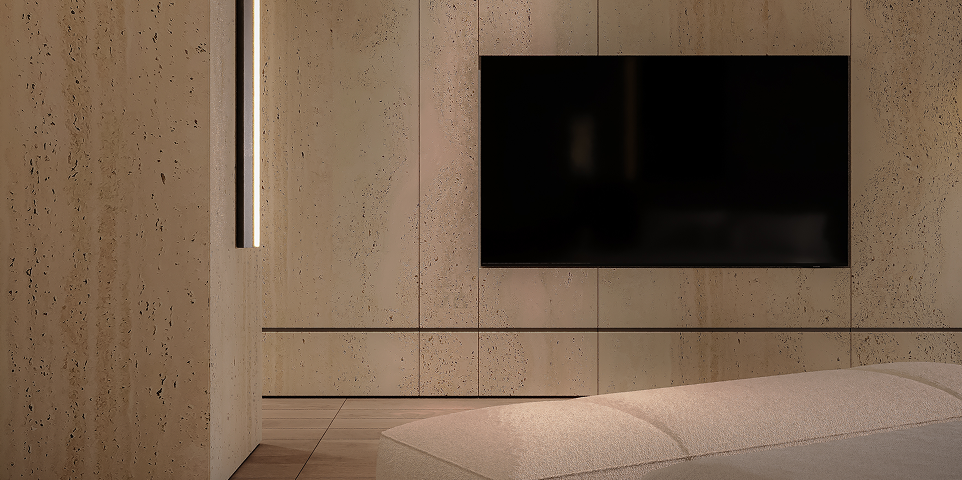
Which Interior Design Items Can You Save Money On?
Not every element in an interior space requires high investment. Certain items carry visual presence without structural or functional dependency, making them suitable for controlled spending. In Dubai projects, directing funds away from low-impact elements helps protect the budget for core works such as joinery, flooring, and lighting layout planning.
- Decorative Accessories: Cushions, small decor objects, and tabletop items add finishing detail to a space without affecting structure or function. These items can be sourced at varied price levels since they are easy to replace or update over time.
- Accent Furniture: Side tables, console tables, and ottomans support styling and convenience rather than core functionality. These pieces can be selected from ready-made collections without affecting the main design direction of a space.
- Wall Decor: Artwork, mirrors, and styling elements on walls can be sourced through affordable collections or curated pieces depending on preference. Wall decor allows flexibility in selection without affecting layout or construction scope.
- Curtains and Soft Furnishings: Mid-range fabrics perform well for curtains, cushions, and upholstery in residential spaces. Fabric selection should focus on durability, light control, and maintenance needs, especially in Dubai’s climate conditions where heat and sunlight exposure influence material performance.
- Decorative Lighting: Decorative fixtures can be sourced at controlled cost while using high-quality bulbs and fittings to maintain performance. The visual presence of lighting can be achieved through placement and layering, reducing dependence on expensive statement pieces.
Where You Should Never Cut Costs
Certain parts of an interior project carry long-term structural and functional importance. Reducing investment in these areas can lead to repeated repairs, performance issues, and higher total cost over time. In Dubai interior design projects, these components also sit under strict execution standards due to usage intensity and environmental conditions.
- Electrical Work: Electrical systems require compliant installation, correct load distribution, and safe wiring practices. Poor execution can lead to safety risks, system failures, and costly rework once finishes are completed.
- Plumbing: Plumbing networks form the core of kitchen and bathroom functionality. Incorrect installation or low-grade materials can result in leaks, water damage, and repeated repair work that disrupts finished interiors.
- Waterproofing: Waterproofing in bathrooms, kitchens, and balconies protects structural surfaces from moisture damage. Inadequate application leads to seepage, tile damage, and substrate deterioration, requiring extensive corrective work.
- Custom Joinery: Custom joinery supports storage efficiency and spatial planning in kitchens, wardrobes, and built-in units. Proper fabrication ensures durability, accurate fit, and long-term usability under daily load conditions.
- Flooring: Flooring experiences constant foot traffic and physical load. Durable materials with correct installation methods reduce wear, prevent early replacement, and maintain surface stability over time.
- Professional Design Planning: Structured design planning defines layouts, material specifications, and execution sequencing before work begins. Early planning reduces errors, avoids unnecessary changes on site, and prevents cost escalation during construction.
.png)
Which Interior Design Investments Add the Most Long-Term Value?
Certain areas in a home consistently hold stronger long-term value due to their daily use, structural importance, and impact on overall property appeal. In Dubai, these investments also influence resale perception and maintenance requirements over time.
- Kitchens: Kitchens carry high functional demand, making them one of the most important areas in any property. Durable cabinetry, heat- and moisture-resistant countertops, and efficient layouts improve daily usability and reduce maintenance issues. Thoughtful storage planning and appliance integration also increase practicality in compact and large spaces alike.
- Bathrooms: Bathrooms rely on correct waterproofing, reliable plumbing, and durable fixtures. Quality finishes and properly installed systems reduce the risk of leaks and surface damage. Modern fittings and well-planned layouts also improve daily comfort and long-term performance under frequent use.
- Built-In Storage: Custom storage improves spatial efficiency by organizing kitchens, bedrooms, and living areas around actual usage needs. Integrated wardrobes, concealed storage, and wall units reduce clutter and improve usability. Well-planned storage solutions also increase property appeal due to their functional clarity.
- Durable Flooring: Flooring experiences constant wear, making material selection and installation quality critical. Long-lasting options such as engineered wood, porcelain, or high-grade stone reduce replacement cycles. Cheaper alternatives may require earlier replacement, increasing total lifecycle cost over time.
- Timeless Finishes: Neutral palettes and simple material selections remain consistent across changing preferences. Stone, wood textures and restrained colour schemes reduce the need for frequent updates. This approach supports long-term visual stability without repeated redesign work.
- Layered Lighting: Lighting structured through ambient, task, and accent layers supports both usability and visual appeal. Proper placement improves room functionality across different times of day. Thoughtful lighting design also reduces dependence on decorative fixtures while maintaining a refined overall presence.
Smart Ways an Interior Designer Actually Saves You Money
Cost control in interior projects is not only about selecting lower-priced items. It comes through planning accuracy, informed material choices, reliable sourcing, and coordinated execution. In Dubai, where projects often involve multiple contractors, imported materials, and approval processes, structured design input directly reduces avoidable expenses.
- Prevents Costly Design Errors: Accurate measurements and detailed drawings reduce errors during fabrication and installation. Proper planning avoids issues such as misaligned joinery, incorrect appliance fit outs, and layout inefficiencies that lead to rework and additional labour charges.
- Better Material Recommendations: Material selection guided by usage requirements prevents over-specification or underperformance. High-traffic areas receive durable finishes, while lighter-use zones allow more flexible options, ensuring investment is directed based on function rather than assumption.
- Access to Trusted Suppliers: Established interior designers in Dubai provide consistent material quality, verified specifications, and controlled pricing structures. Reliable sourcing reduces the risk of delays, incorrect deliveries, and repeated procurement cycles that increase project cost.
- Efficient Project Management: Coordinated scheduling across carpentry, electrical, plumbing, and finishing teams reduces downtime and overlapping work. Clear sequencing limits delays, avoids repeated site mobilization, and keeps execution aligned with planned timelines.
- Long-Term Cost Efficiency: Design decisions focused on durability and correct installation reduce maintenance requirements over time. Well-selected materials and properly executed detailing lower the need for repairs and replacements, while also supporting stronger property value retention in the Dubai market.
.png)
Budget-Friendly Design Ideas That Still Feel Luxurious
A well-executed interior in Dubai is less about how much is spent and more about how intentionally the budget is distributed across structure, storage, lighting, and long-term materials. Strong visual impact does not depend on heavy decorative spending. It develops through clarity in layout, controlled material selection, and restraint in surface treatment. Once these foundations are set, smaller details start carrying more presence without increasing cost pressure.
Layer Different Textures
Matte wall finishes paired with linen upholstery, fluted wood panels on selected feature walls, and brushed metal details on handles or lighting trims introduce depth without relying on expensive imported surfaces. A stone countertop alongside fabric seating or wood veneer cabinetry adds variation in surface feel across the room. A practical decision here often comes down to focus areas: feature one or two surfaces per room, keep remaining finishes quiet to avoid visual overload.
Focus on Statement Lighting
A single sculptural pendant above a dining table defines the space without needing oversized fixtures. LED coves along ceilings introduce soft ambient light for evenings, while wall-mounted fittings near beds or mirrors handle task lighting. In compact dining areas, one focal pendant is usually enough before adding additional lighting layers. Larger open-plan spaces may call for separation through ceiling zones rather than multiple decorative fittings.
Neutral Color Palettes
Warm whites, sand tones, taupe, and soft greys across walls and large furniture pieces create consistency across living areas, bedrooms, and corridors. Matching wardrobe fronts with kitchen cabinetry reduces visual fragmentation and keeps material coordination straightforward. A key decision point is whether to keep tones continuous across shared areas or introduce one accent zone, such as a single feature wall, without disrupting the overall flow.
Built-In Storage Solutions
Floor-to-ceiling wardrobes with sliding doors, concealed shoe storage near entry points, and TV units with integrated shelving reduce clutter across daily living areas. Kitchens benefit from pull-out drawers, corner storage systems, and appliance housing that keeps counters clear. Closed storage works best for daily-use items, while open shelving suits limited display zones rather than storage-heavy areas.
Minimalist Styling
Surface clarity comes from limiting visible objects and relying on storage instead of open display. A single large sofa often works better than multiple smaller seating pieces, keeping circulation areas clear and the layout more intentional. One decision point here is the level of openness in display zones: either keep surfaces mostly clear or dedicate a defined niche for decorative objects instead of scattering them across the room.
Large Mirrors for Spaciousness
Full-height mirrors placed in entry areas or wardrobe doors extend visual depth, while wide horizontal mirrors above bathroom vanities improve brightness across compact spaces. Positioning mirrors opposite windows increases natural light distribution without structural changes. In narrower corridors, a single full-height mirror brings enough spatial extension without requiring additional reflective surfaces.
Indoor Plants for Natural Luxury
Tall plants such as fiddle leaf figs or areca palms placed in corners of living rooms and entry spaces introduce height variation. Smaller plants like snake plants or pothos placed on consoles or shelves soften harder finishes without altering layout. Simple ceramic or matte black planters keep visual consistency intact, especially in spaces already using mixed material finishes.
Common Budgeting Mistakes Homeowners Should Avoid
Many budget overruns begin long before construction starts. They usually result from planning gaps, incomplete cost evaluations, or decisions made without considering long-term performance. Avoiding these common mistakes helps keep an interior design project in Dubai financially controlled and reduces unexpected expenses during execution. Most of these issues are preventable when design, budgeting, and execution are coordinated from the beginning rather than handled separately.
- Spending too much on decor before essentials: Decorative items should come after core investments such as kitchens, wardrobes, flooring, lighting, and bathroom works. Prioritizing accessories too early can reduce available funds for functional upgrades.
- Ignoring labour costs: Carpentry, electrical work, plumbing, painting, tiling, ceiling installation, and site supervision account for a significant share of the project budget. Material costs alone do not reflect the full investment required.
- Forgetting delivery and installation charges: Imported furniture, natural stone, lighting fixtures, and custom joinery may involve transportation, lifting equipment, assembly, and installation costs that should be included during planning.
- Choosing visual appeal over functionality: Attractive finishes cannot compensate for poor storage planning, inefficient layouts, or inadequate lighting. Daily usability should guide major investment decisions.
- Not planning for maintenance: Materials that require frequent polishing, sealing, or specialised cleaning can increase long-term ownership costs. Maintenance requirements should be evaluated before final selections are made.
- Buying furniture before measuring the space: Purchasing furniture before finalising layouts can lead to circulation issues, blocked pathways, or pieces that do not fit through lifts, staircases, or entry doors in Dubai residential buildings.
- Hiring based only on the lowest quotation: Lower quotations may exclude important work items, use lower-grade materials, or omit project management and site coordination. Comparing scope is more valuable than comparing price alone.
- Not requesting a detailed scope of work before comparing quotations: A comprehensive scope should define materials, joinery, finishes, labour, installation, exclusions, and project deliverables. This creates a fair basis for evaluating proposals.
- Choosing materials based only on upfront cost: Lower-priced flooring, hardware, paint, or fittings may require earlier replacement or repairs. Evaluating durability, warranty, and expected service life provides a more accurate picture of overall investment.
Questions to Ask Before Hiring an Interior Design Company in Dubai
Choosing an interior design professional involves more than reviewing a portfolio or comparing prices. The right questions reveal how the team approaches budgeting, procurement, execution, and project control. Clear answers help you understand what to expect before signing a contract and reduce the likelihood of unexpected costs during the project.
- Can You Work Within My Budget? A reliable interior designer in Dubai should explain how your budget will shape the project scope, material selection, and execution strategy. They should also identify spending priorities early and recommend practical solutions that align with your investment limit.
- What's Included in the Quote? You should receive a clear breakdown of the proposed scope, including design services, technical drawings, material specifications, joinery, procurement, labour, installation, project management, and any applicable approval fees. Any exclusions should be stated upfront to avoid confusion later.
- How Do You Handle Unexpected Costs? A professional team should have a defined process for managing unforeseen site conditions. Any additional work should be assessed, priced, and presented for approval before execution continues. This creates financial transparency throughout the project.
- Do You Recommend Alternative Materials? An experienced designer should recommend suitable alternatives if a selected material exceeds your budget or becomes unavailable. These recommendations should consider durability, maintenance requirements, lead times, and suitability for the intended application.
- How Do You Keep Projects on Budget? Look for a structured approach that includes procurement planning, regular budget reviews, controlled design changes, and coordination across trades. Consistent monitoring helps reduce unnecessary spending and keeps the project aligned with the approved budget.
- Will I Receive a Detailed Cost Breakdown? A transparent proposal should include an itemized breakdown covering design fees, joinery, flooring, lighting, furniture, labour, installation, approvals, and contingency allowances. Detailed pricing makes it easier to understand how your investment is distributed and compare proposals with confidence.
.png)
Why Working with Rayfitout Offers Better Value Than Simply Choosing the Lowest Quote
The lowest quotation does not always reflect the true cost of an interior design project. Missing work items, lower-grade materials, limited project supervision, or unclear deliverables can result in additional expenses during execution. At this point, the difference between a controlled project and a costly one usually comes down to who is managing the process, not just what materials are selected. Rayfitout, as an experienced interior design firm in Dubai, focuses on delivering lasting value through structured planning, transparent communication, and reliable execution, keeping your investment working for you.
- Turnkey Project Management: Rayfitout manages the entire project through a single point of coordination, covering design development, procurement, bespoke joinery, construction, installation, and final handover. This reduces coordination challenges and keeps execution aligned with the approved plan.
- Transparent Budgeting Process: We provide detailed BAQs, including detailed cost breakdowns, clearly defined scopes of work, and upfront discussions around materials and execution to help property owners understand how their investment is allocated before work begins.
- Design Solutions Built Around Your Priorities: Every project starts with an understanding of your functional requirements, lifestyle needs, and investment goals. This allows the design direction and project scope to reflect what matters most to you.
- Practical Material Recommendations: Material selections are guided by durability, maintenance requirements, intended usage, and budget considerations. This approach helps clients make informed decisions without paying for unnecessary upgrades.
- An Experienced Team That Reduces Costly Mistakes: Detailed planning, accurate site measurements, and coordinated execution reduce the risk of ordering errors, rework, and construction delays that can increase project costs.
- Quality Craftsmanship That Delivers Long-Term Value: Skilled execution across joinery, flooring, finishes, electrical works, and installations contributes to durability, consistent performance, and a refined outcome.
- Clear Communication Throughout the Project: Regular updates, transparent discussions, and defined approval processes keep clients informed at every stage, creating confidence throughout the project lifecycle.
A realistic budget is only effective when it is translated into a structured design and execution plan. Rayfitout helps homeowners across Dubai & Abu Dhabi align design decisions, material selection, and project execution under one controlled process, ensuring the outcome reflects both design intent and financial clarity.
If you're planning a turnkey interior design, villa renovation, apartment fit out, or design & build project, our team can help you make informed decisions before the first purchase is made.
Frequently Asked Questions

.png)