



.png)
Most interior design projects in Dubai take 8 to 16 weeks for an apartment and 3 to 6 months for a villa, covering consultation, design development, approvals, execution, and final handover. Timelines depend on the project scope, approval requirements, custom joinery, bespoke furniture, and material lead times.
After budget, the expected timeline is one of the first questions homeowners ask when planning their interiors. Working with a trusted interior design company in Dubai helps you understand the key stages involved and plan your move-in date with confidence. This guide breaks down the process into practical phases, giving you a clear view of the time required for design decisions, production, installation, and completion.
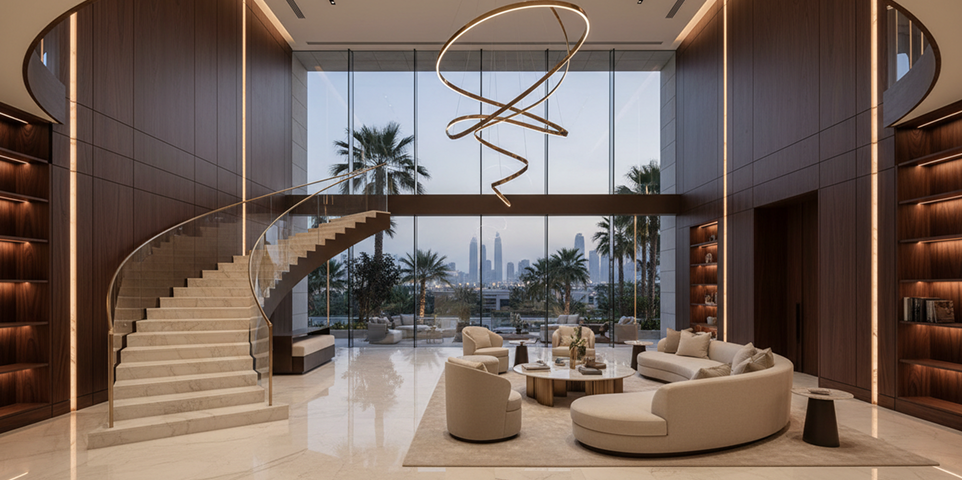
How Long Does It Take to Design a Villa?
Typical Timeline for a Villa Interior Design Project
A full villa interior design and fit out project in Dubai typically takes 3 to 6 months from concept development to final handover. The timeline covers design planning, material selection, approvals, production, installation, and final finishing stages.
Timeline by Project Scope
The duration of a villa project depends on the level of involvement required, the amount of custom work, and the extent of site changes. The table below provides a general planning guide based on common requirements for villa interior design in Dubai.
| Project Scope | Typical Timeline |
|---|---|
| Styling and furniture refresh | 4 – 8 weeks |
| Single-scope interior design project | 8 – 12 weeks |
| Turnkey interior design and fit out | 3 – 6 months |
| Complete renovation with structural or extension work | 6+ months |
What Can Extend a Villa Timeline?
Several factors can add time to a villa project, especially during the planning and approval stages:
- Gated community approvals: Villas located in communities such as Palm Jumeirah, Arabian Ranches, and Emirates Hills may require additional approval time before certain works can begin. These approvals affect the administrative stage rather than the core design development or installation schedule.
- Structural work: Layout changes, extensions, or major modifications require additional planning, technical coordination, and approval processes.
- Custom features: Bespoke joinery, specialized finishes, and made-to-order furniture may require longer production periods.
Every villa project has its own requirements, so the timelines above are intended as planning ranges rather than a fixed quotation. A consultation with an experienced interior design team in Dubai provides a clearer project scope and a timeline tailored to your villa.
How Long Does It Take to Design an Apartment?
Typical Timeline for an Apartment
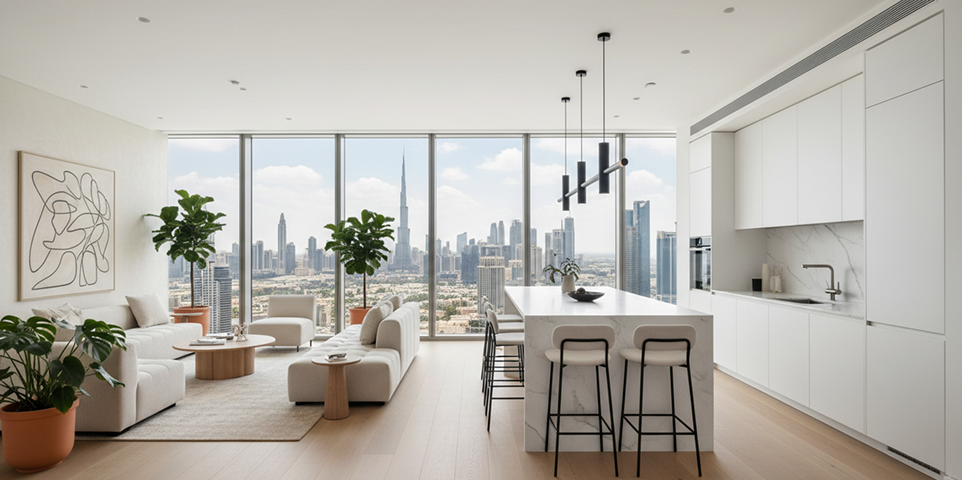
A complete apartment interior design project in Dubai typically takes 8–14 weeks from concept development to final handover for a 1–3 bedroom unit. The timeline includes design planning, material selection, approvals, procurement, installation, and final detailing.
Timeline by Project Scope
Apartment timelines vary based on the level of design involvement and the extent of work required. The table below provides practical planning ranges for an apartment interior design in Dubai.
| Project Scope | Typical Timeline |
|---|---|
| Styling and furniture package only | 4 to 8 weeks |
| Complete interior design for a 1–3 bedroom apartment | 8 to 14 weeks |
| Light renovation with no structural changes | 10 to 16 weeks |
Why Apartments Are Usually Faster
Apartments are generally completed within shorter timelines mainly because approval processes and site logistics are usually more straightforward. Building management approvals tend to move faster than community developer NOC processes required for many villa projects, especially in gated communities.
The design process follows a similar level of planning and attention; the difference comes from fewer external approvals, simpler access arrangements, and reduced site complexity. These factors allow apartment projects to progress with fewer scheduling variables.
What Are the Main Stages of an Interior Design Project?
Understanding the key stages of an interior design project helps homeowners plan decisions, approvals, and move-in expectations with greater clarity. While timelines vary by property type and project scope, most projects follow a structured process covering design development, production, installation, and final handover.
Interior Design Process Timeline in Dubai
| Project Stage | Typical Duration | What Happens |
|---|---|---|
| Consultation & briefing | 1 to 2 weeks | Requirements, budget, measurements, project planning |
| Concept design & 3D visuals | 2 to 4 weeks | Layouts, mood boards, design refinement |
| Approvals & permits | 2 to 8 weeks | Developer NOCs, authority approvals where required |
| Procurement & joinery production | 4 to 12 weeks | Materials, furniture, bespoke fabrication |
| Installation & finishing | 2 to 6 weeks | Site works, furniture installation, styling |
| Final handover | 1 to 2 weeks | Snagging, quality checks, completion |
Consultation & Briefing (1–2 weeks)
The process begins with an initial consultation to understand your requirements, lifestyle needs, budget, preferred direction, and project goals. The design team also completes site measurements and gathers the essential details needed to prepare the project brief.
Concept Design & 3D Visualisation (2–4 weeks)
This stage develops the creative direction through mood boards, space planning, layout drawings, and 3D visualisations. Feedback rounds help refine the design before moving into production and implementation.
Approvals & Permits, Where Applicable (2–8 weeks)
Approval timelines depend on the property type and scope of work. Requirements may include developer NOC, civil defence approvals, or DEWA sign-off for renovation projects. This stage mainly applies to villas and renovation-focused projects rather than styling-only apartment upgrades.
Material Sourcing, Furniture & Joinery Production (4–12 weeks)
Material selection, bespoke furniture, and joinery production are planned during this phase. These activities can run alongside approvals or site preparation, meaning they do not always extend the overall project duration.
Site Execution & Installation (varies by scope)
The execution phase covers on-site works, furniture placement, joinery installation, lighting, and finishing details. The duration depends on the project's scope, property size, and level of customisation required.
Snagging, Styling & Handover (1–2 weeks)
The final stage includes quality checks, finishing adjustments, styling touches, and a detailed walkthrough before handover. The completed space is reviewed to ensure all agreed elements are ready for move-in.
What Factors Can Extend or Shorten Your Design Timeline in Dubai?
Interior design timelines can vary based on project decisions, property requirements, and external processes. Understanding the factors below helps you anticipate possible delays and plan your project with greater confidence.
Factors You Can Control
- Decision speed: Timely approval of concepts, layouts, and material selections keeps the project moving efficiently. Delayed sign-offs are among the most common reasons for schedule extensions and are directly influenced by the homeowner's response time.
- Scope changes: Adjusting the project direction after work has started can affect the planned schedule and budget. Clear decisions during the design stage help maintain a more predictable timeline.
- Material selection timing: Finalising finishes, furniture, and fixtures early allows procurement and production to begin on schedule, reducing the risk of delays later in the process.
Factors Outside Your Control
- Developer approvals: Developer NOCs, civil defence permits, and DEWA or utility approvals can add 2 to 8 weeks depending on the community and renovation scope. Villas in gated developments typically involve longer approval processes than standalone apartment projects.
- Permit processing: Government and building management approvals follow their own review timelines, especially for projects involving modifications, technical work, or renovation requirements.
- Imported materials: Special-order finishes, imported materials, and European hardwoods can require 10 to 16 weeks for delivery. Locally produced joinery and readily available materials may have shorter production periods.
How Long Does the Approval Process Take for Villa Renovations?
Villa renovation approvals in Dubai generally take 4 to 8 weeks for significant renovation work, with longer timelines possible for structural modifications, extensions, or projects requiring multiple authority reviews. Simple non-structural interior updates usually move faster since they involve fewer approval requirements.
Key Approvals Required for Villa Renovations
- Developer NOC: Villas located within master developments may require approval from developers such as Emaar Properties, Nakheel, and similar communities before renovation work begins. The process involves submitting drawings, project details, and required documentation for review.
- Civil defence sign-off: Renovation projects involving safety systems, layout changes, or technical installations may require civil defence approval to confirm compliance with local requirements.
- DEWA and utility upgrades: Electrical, water, or infrastructure modifications may require coordination with Dubai Electricity and Water Authority (DEWA), especially for upgrades beyond standard interior improvements.
For homeowners planning approvals-heavy renovation work, working with a local specialist experienced in villa renovation projects can help keep the process organised. A turnkey design team that manages documentation, submissions, and authority coordination directly helps minimize avoidable delays. If your project involves extensive modifications, explore our Villa Renovation service to understand the process and requirements in more detail.
How Long Do Custom Furniture and Joinery Take to Arrive?
Custom furniture and joinery timelines depend on the level of customization, production requirements, and material availability. Planning this stage early allows manufacturing and installation to progress alongside approvals or site work, helping maintain the overall project schedule.
Standard Joinery Timelines
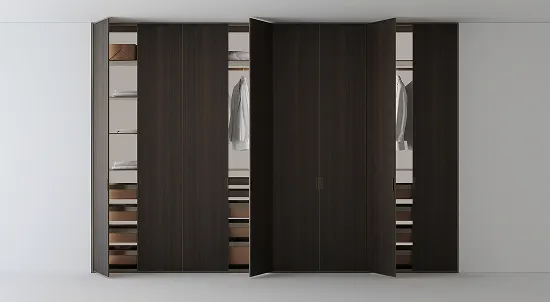
Simple custom pieces can be completed within 3 to 4 weeks, while standard fitted joinery packages such as kitchens, wardrobes, and wall panelling generally take 4 to 8 weeks from design sign-off to installation. Final timelines depend on the design details, material selection, and production requirements.
Fully Bespoke Joinery Timelines
Fully customized or complex joinery pieces usually require 6 to 8 weeks due to detailed design development, specialised finishes, and tailored fabrication. For projects requiring fully custom pieces, our Bespoke Joinery service provides dedicated craftsmanship and production expertise for unique interior requirements.
How In-House Manufacturing Reduces Delays
An in-house workshop that manages design, fabrication, and installation under one roof helps reduce delays linked to third-party production and external coordination. This approach creates better control over quality checks, scheduling, and installation timelines.
Joinery and furniture production can frequently run alongside approvals or site preparation when planned early. This scheduling approach allows the production stage to progress without extending the overall project timeline unnecessarily.
Is It Better to Design the Entire Home at Once or Room by Room?
The right approach depends on your timeline, budget planning, and how you want to experience the process. Some homeowners prefer completing the entire residence under one plan, while others choose a phased approach that allows them to spread investment and complete spaces gradually.
The Case for Designing the Whole Home at Once
Planning the entire home together creates a clear direction for finishes, furniture, lighting, and materials across all spaces. It reduces repeated site coordination, avoids unnecessary mobilization costs, and allows procurement and installation to move continuously.
A complete home plan also helps achieve a considered result, with every area designed around the same vision rather than developed separately over several years.
The Case for a Room-by-Room Approach
A phased approach allows homeowners to distribute costs over time and keep parts of the home available for daily use during the process. It can suit projects where priorities are being refined or where completing the residence in stages is more practical.
The main consideration is maintaining consistency throughout the home. Agreeing on an overall design direction before starting individual rooms helps prevent disconnected finishes and design decisions later.
The most effective starting point is establishing the complete design vision and material palette before deciding the execution schedule. A single concept consultation with an experienced interior designer in Dubai can cover the direction for your entire home, whether you choose to complete the project at once or develop it in stages.
.png)
Should I Complete the Interior Design Before Moving In?
The ideal approach is to complete the main interior design work before moving into your home, especially when the schedule allows flexibility. Moving in before construction, joinery installation, or major furnishing is complete can mean living around dust, deliveries, noise, and ongoing access for contractors.
Benefits of Finishing Before You Move In
Completing the project before arrival allows the design team to finish installations, final adjustments, and styling without affecting your daily routine. It also allows you to settle into a fully prepared home rather than managing active works after moving in.
For homeowners with flexible move-in dates, completing major construction, joinery, and installation stages in advance creates a smoother experience and a more predictable handover.
What If You Need to Move In Early?
Some situations require an earlier move due to lease timelines, property handover dates, or personal commitments. In these cases, a planned phased approach works better than adjusting the project after work has already started.
A practical sequence may involve completing essential areas first, such as bedrooms and one bathroom, followed by living spaces and remaining details at a later stage. Agreeing on this plan in advance helps maintain progress without disrupting daily life.
A consultation with an experienced interior design studio in Dubai can help create a realistic schedule aligned with your move-in date, project scope, and priorities.
How Can You Speed Up Your Timeline Without Compromising Quality?
A well-planned interior design process moves faster when key decisions are made early, and the project scope remains clear. The goal is not to rush the work, but to remove avoidable delays that can affect production, approvals, and installation.
- Approve concepts and materials promptly: Once design concepts, finishes, and selections are presented, timely approvals help keep production and procurement schedules on track. This is one of the biggest factors homeowners can influence.
- Finalise the scope before production begins: Confirming layouts, materials, and specifications before ordering or fabrication starts helps prevent changes that may affect delivery dates and project costs.
- Work with a team that controls production: Choosing a design partner with in-house joinery capabilities or established workshop relationships reduces delays linked to third-party coordination and external production schedules.
- Plan with realistic time allowances: Including a practical contingency period for approvals, material availability, and unexpected site requirements creates a more reliable timeline. Many projects benefit from allowing around 10–20% additional time beyond the initial schedule.
With over 37+ years of experience delivering interior projects across Dubai and Abu Dhabi, Rayfitout approaches timelines with practical planning from consultation through handover. This ensures expectations are set clearly at the beginning and maintained throughout the project journey.
.png)
How Far in Advance Should You Book an Interior Designer in Dubai?
Planning your interior design project early gives you more flexibility with design decisions, approvals, production schedules, and your target move-in date. The most valuable first step is a consultation that maps your project scope against your timeline and identifies the right starting point.
Recommended Booking Timeline for Villas
For villa projects, it is recommended to begin the consultation process 3 to 6 months before your planned move-in date or property handover. Villas usually involve larger spaces, detailed design planning, custom joinery, and additional approval stages that require more preparation time.
Recommended Booking Timeline for Apartments
For apartment projects, booking a consultation 6 to 10 weeks ahead is a practical timeframe for most interiors. This allows sufficient time for design development, selections, procurement, and installation without compressing the final stages of the project.
Why Booking Early Matters
Starting early allows the design process to move at a considered pace, leaving room for concept refinement, approvals, furniture production, and joinery schedules. Last-minute planning can limit available options and create unnecessary pressure during the final stages.
The earliest and most valuable step is a consultation with an experienced interior design company in Dubai to scope your timeline against your move-in date. A clear project roadmap helps you understand what needs to happen, when decisions are required, and how to plan your home completion with confidence.
Frequently Asked Questions
How long does a full villa interior design take in Dubai?↗
A villa interior design project in Dubai generally takes 3 to 6 months from concept to handover. Projects in gated communities may require additional approval time, especially when developer NOCs or renovation permits are involved.
Is apartment interior design faster than villa design?↗
Yes, apartment interior design projects in Dubai are usually completed faster due to fewer approval requirements and simpler site logistics. The design process remains equally considered; the shorter timeline mainly comes from reduced external approvals rather than less design work.
Can I move in while interior design work is still ongoing?↗
Moving in during an active interior design project is possible, though it can involve dust, deliveries, noise, and contractor access. If an early move is necessary, a planned phased approach helps complete essential areas first and minimise disruption.
What is the fastest realistic timeline for a home interior in Dubai?↗
A styling and furniture-only refresh can be completed in around 3 to 6 weeks, depending on selections and availability. This timeframe applies to updates and furnishing projects rather than a complete interior redesign or renovation.
Does custom joinery always take longer than ready-made furniture?↗
Custom joinery generally requires more time than ready-made furniture because it involves design, fabrication, and installation stages. The additional time allows for tailored fit, long-term durability, and solutions created specifically for the space.

.png)