




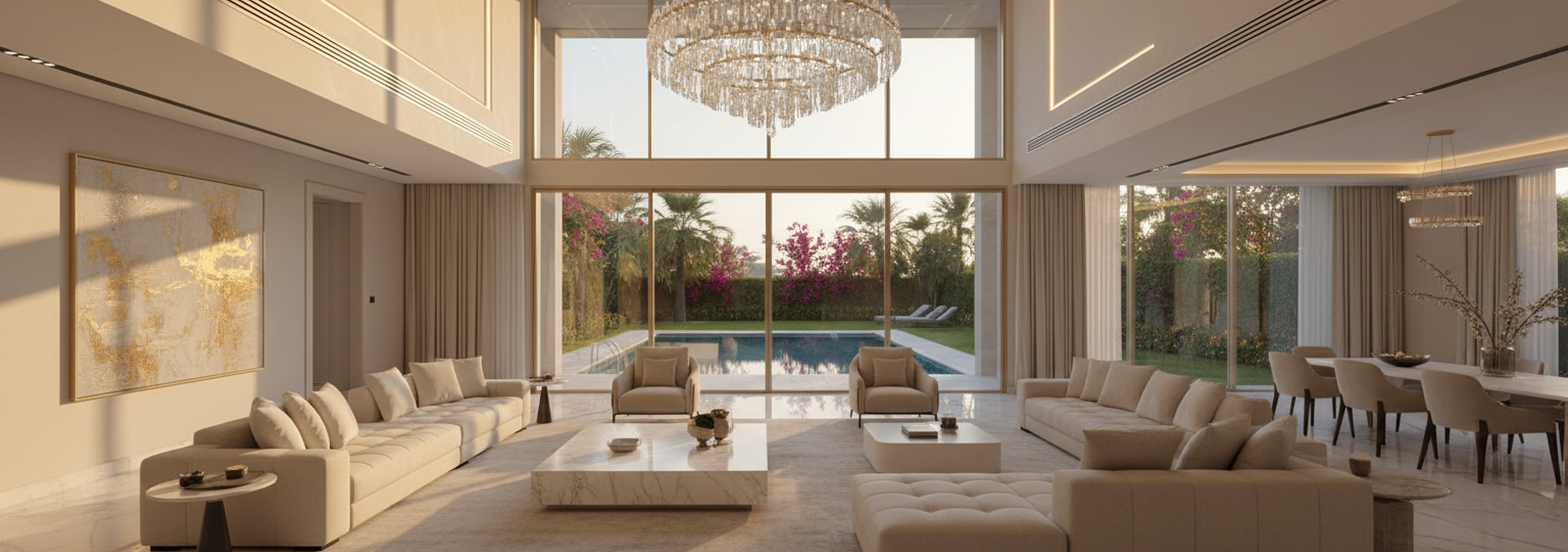
Your first meeting with an interior designer sets the direction for the entire project. Many homeowners arrive with ideas in mind, yet struggle to explain their preferences, priorities, or expectations. A little preparation leads to clearer conversations, quicker decisions, and a design process that reflects the way you want to live.
This guide focuses on preparation rather than choosing a designer. You will discover what to bring to your first consultation, how to define your design direction, the right stage to involve an interior designer, and practical ways to communicate your vision. If you are planning a design project, exploring our Interior Design Services in Dubai before your consultation can provide a clear understanding of the design process and what to expect during the journey.
What Should I Prepare Before Meeting an Interior Designer?
A productive first consultation starts with thoughtful preparation, not a finished plan. Detailed drawings and final decisions aren’t expected. A few well-chosen references and practical details give the conversation clear direction and help your interior designer understand your priorities from the outset.
Visual Inspiration & References
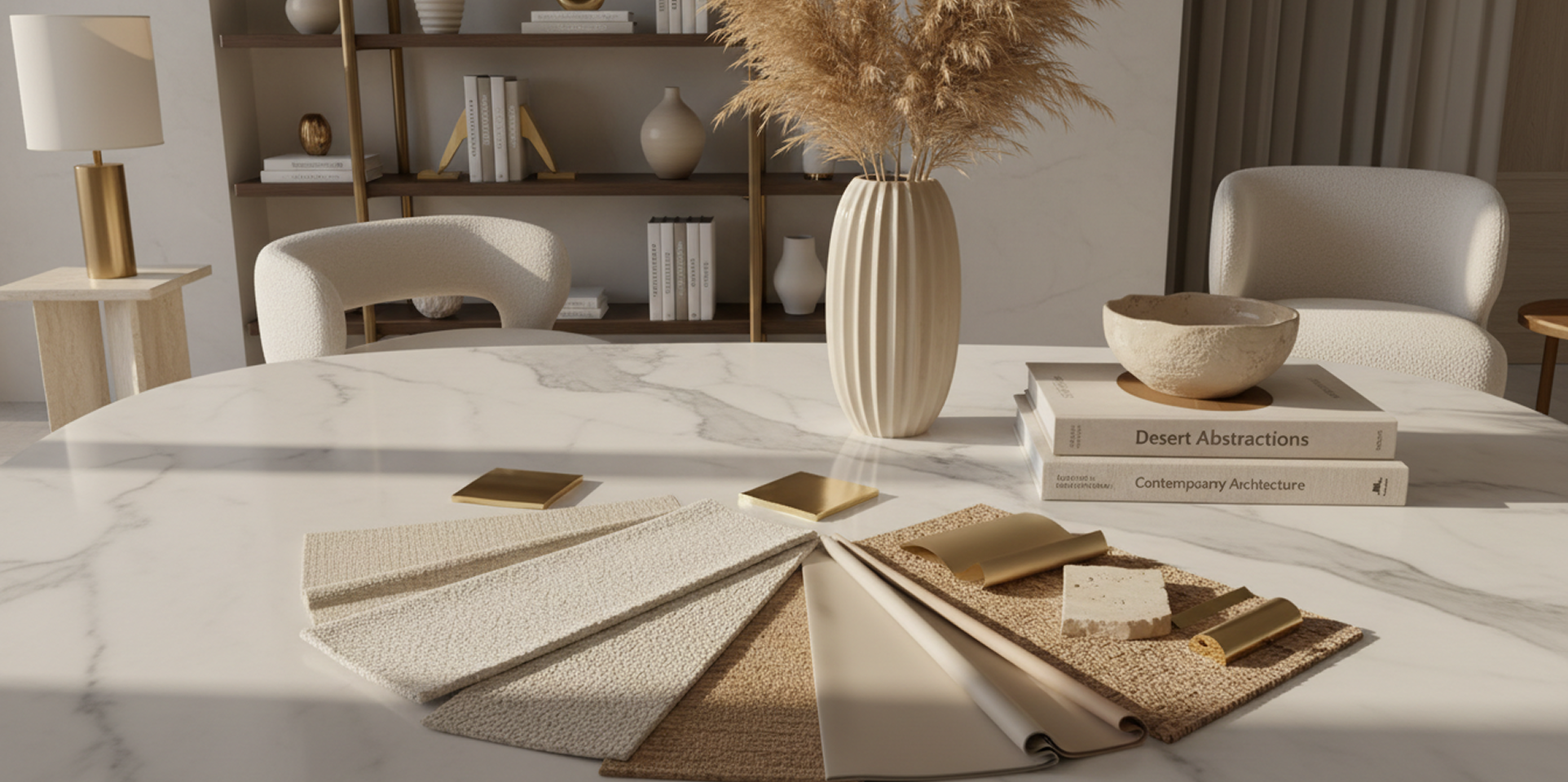
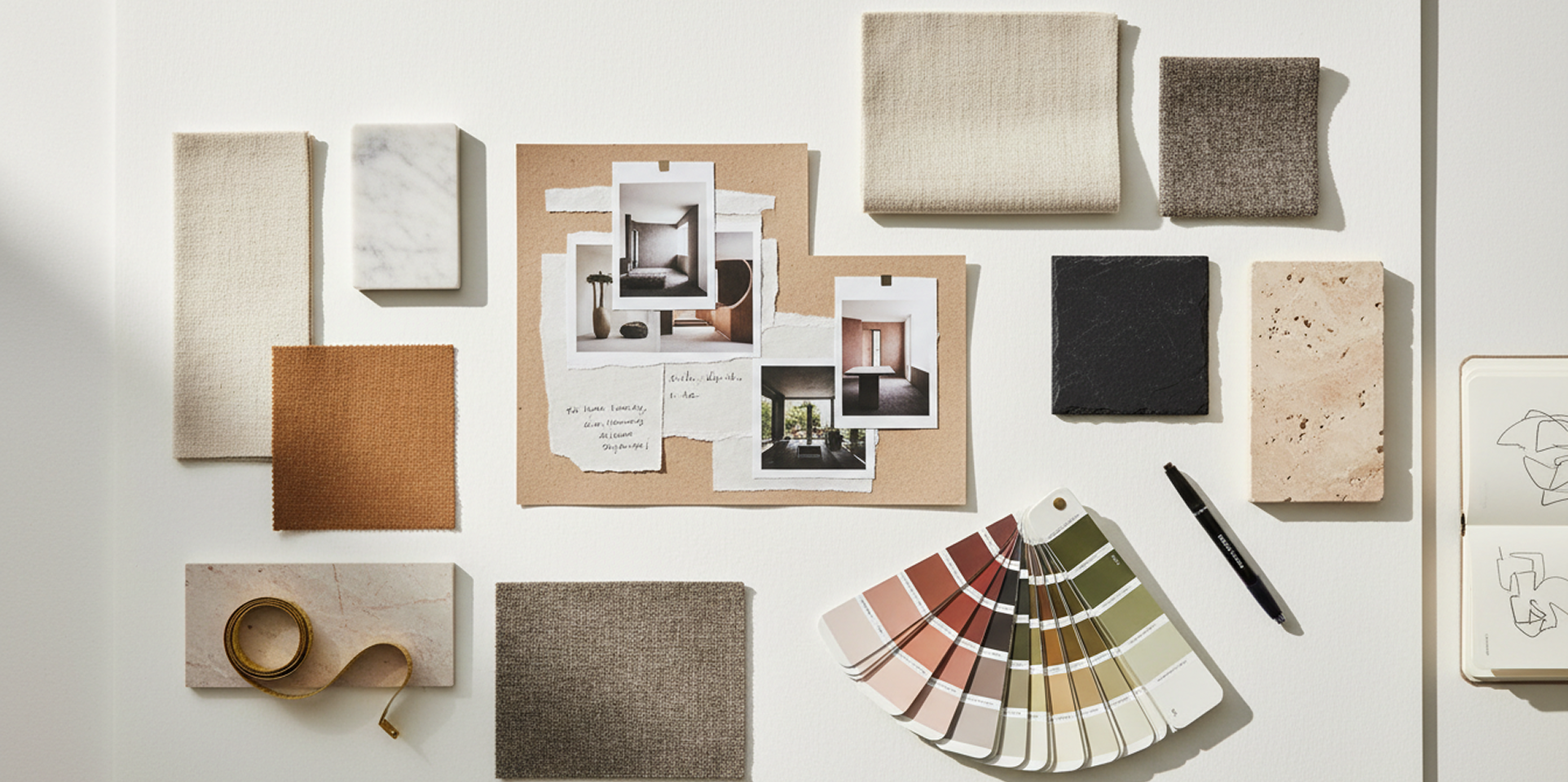
Save around 10 to 15 images that reflect the type of home you admire. Pinterest, Instagram, interior magazines, and photographs taken during your travels or home visits are excellent sources. Images communicate ideas with far greater clarity than words alone, giving your designer an immediate understanding of your preferences.
Add a short note to each image explaining what caught your attention. It could be the colour palette, room layout, lighting, natural materials, furniture, or the overall feeling of the space. These observations provide valuable insight during the initial discussion.
A Rough Budget Range
Prepare a realistic budget range instead of focusing on a single figure. An approximate investment level gives your designer a practical starting point for recommendations, material selections, and project planning. The budget can be refined as the project scope develops.
Priority Rooms & Non-Negotiables
Identify the spaces that matter most to your household. You may wish to focus on the main living areas, the kitchen, or the primary bedroom first. Also make a list of essential requirements, such as a home office, prayer room, additional storage, a children’s play area, or dedicated display space for collections.
Lifestyle Notes
Your home should reflect the way you live. Before the consultation, think about daily routines, entertaining guests, working remotely, family size, children, and pets. These details give your designer a deeper understanding of how the space should function throughout the day.
You don’t need to arrive with all the answers. The first consultation is designed to uncover your preferences through thoughtful discussion, giving your project a clear direction from the very beginning.
What Documents, Measurements or Floor Plans Should I Bring to the First Meeting?
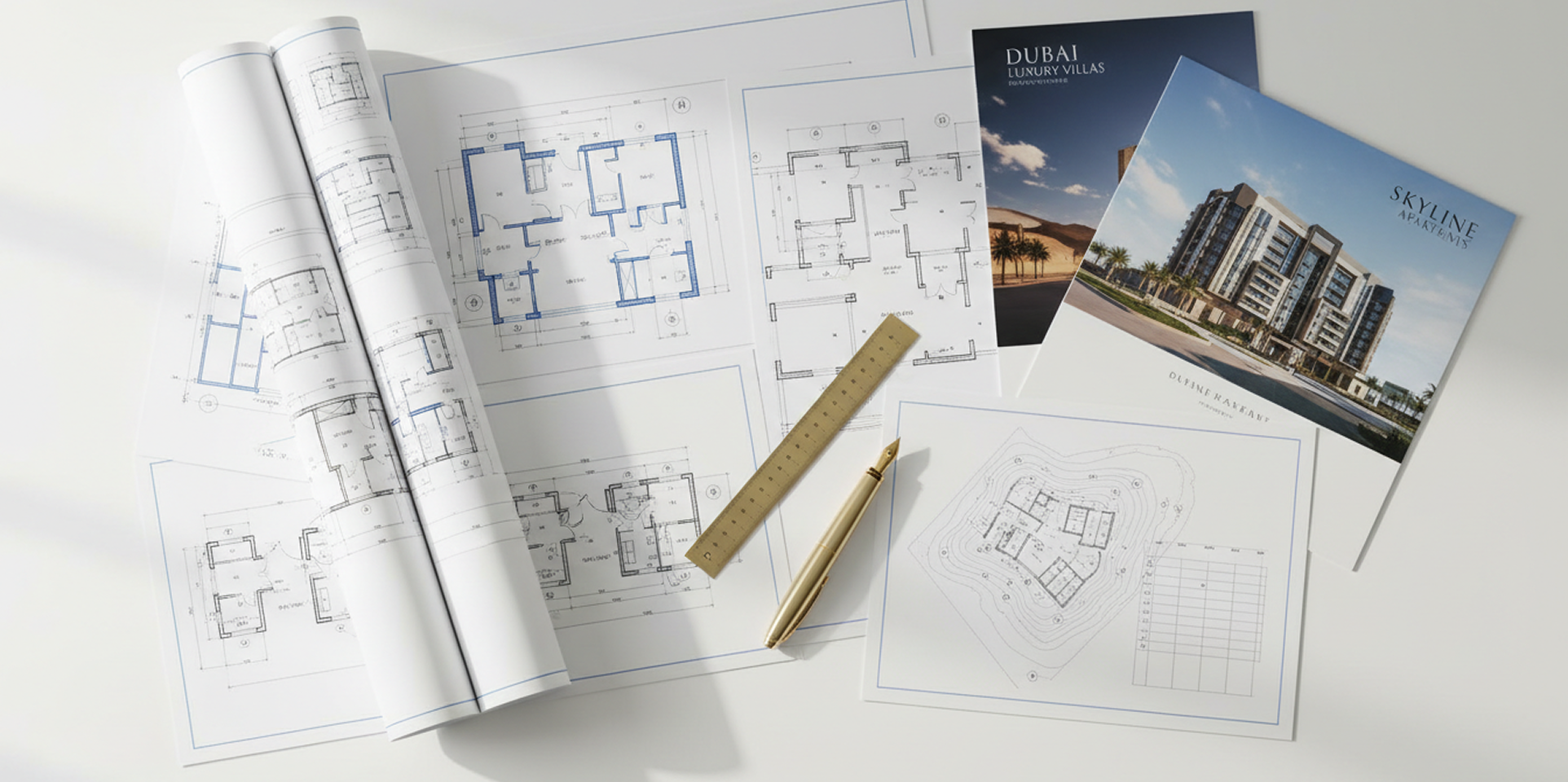
The right documents can make your first consultation far more productive. They give your interior designer a clear understanding of the property’s layout, existing conditions, and any project constraints before design discussions begin. You don’t need a complete set of technical drawings, a few key documents are usually enough to start planning with confidence.
For Off-Plan Buyers
If your property is still under construction, bring the developer’s floor plans, unit brochure, and any information related to the property’s customisation period. This stage presents valuable opportunities to review layouts, electrical points, finishes, or other developer-approved options before handover. Early access to these documents allows design discussions to begin with accurate information and helps identify opportunities available during construction.
For Ready or Resale Property Owners
If you have purchased an existing home, bring any available floor plans supplied by the developer. If these aren’t available, a simple hand-drawn sketch with approximate room dimensions is perfectly suitable for an initial discussion. Recent photographs of the main living spaces, kitchen, bedrooms, bathrooms, and any architectural features also give valuable context before a site visit.
If you plan to keep existing furniture, prepare rough measurements for larger pieces such as sofas, dining tables, beds, wardrobes, or display cabinets. Knowing what will remain in the home allows your designer to plan layouts more efficiently and determine how these items can fit into the overall design direction.
For some properties, documents such as Ejari or DEWA records may help clarify layout details or property information later in the project. They aren’t usually required for the first consultation, so there’s no need to gather additional paperwork before your initial meeting.
What Interior-Design Style Is Best for My Home?
Many homeowners worry about choosing the “right” interior design style before meeting a designer. In reality, you don’t need to settle on a single direction before your consultation. Having a general preference is enough to start the conversation. The examples below are popular across Dubai and Abu Dhabi because they suit local homes, natural light, and the way many residents use their spaces.
Contemporary & Modern Minimalism
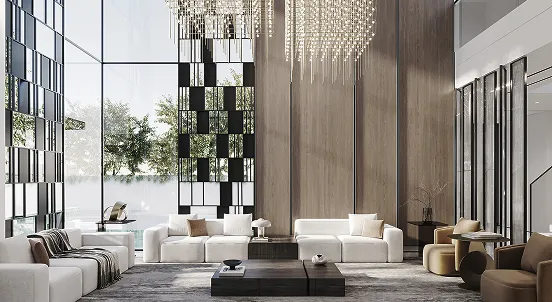
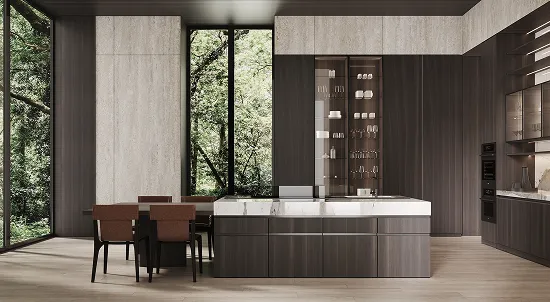
Contemporary interiors focus on clean lines, uncluttered spaces, neutral colour palettes, and practical layouts. This approach suits apartments and villas alike, creating bright interiors that are easy to maintain throughout the year. Large windows, open-plan living areas, and understated finishes make this a popular choice for modern homes across Dubai.
Modern Arabic Design
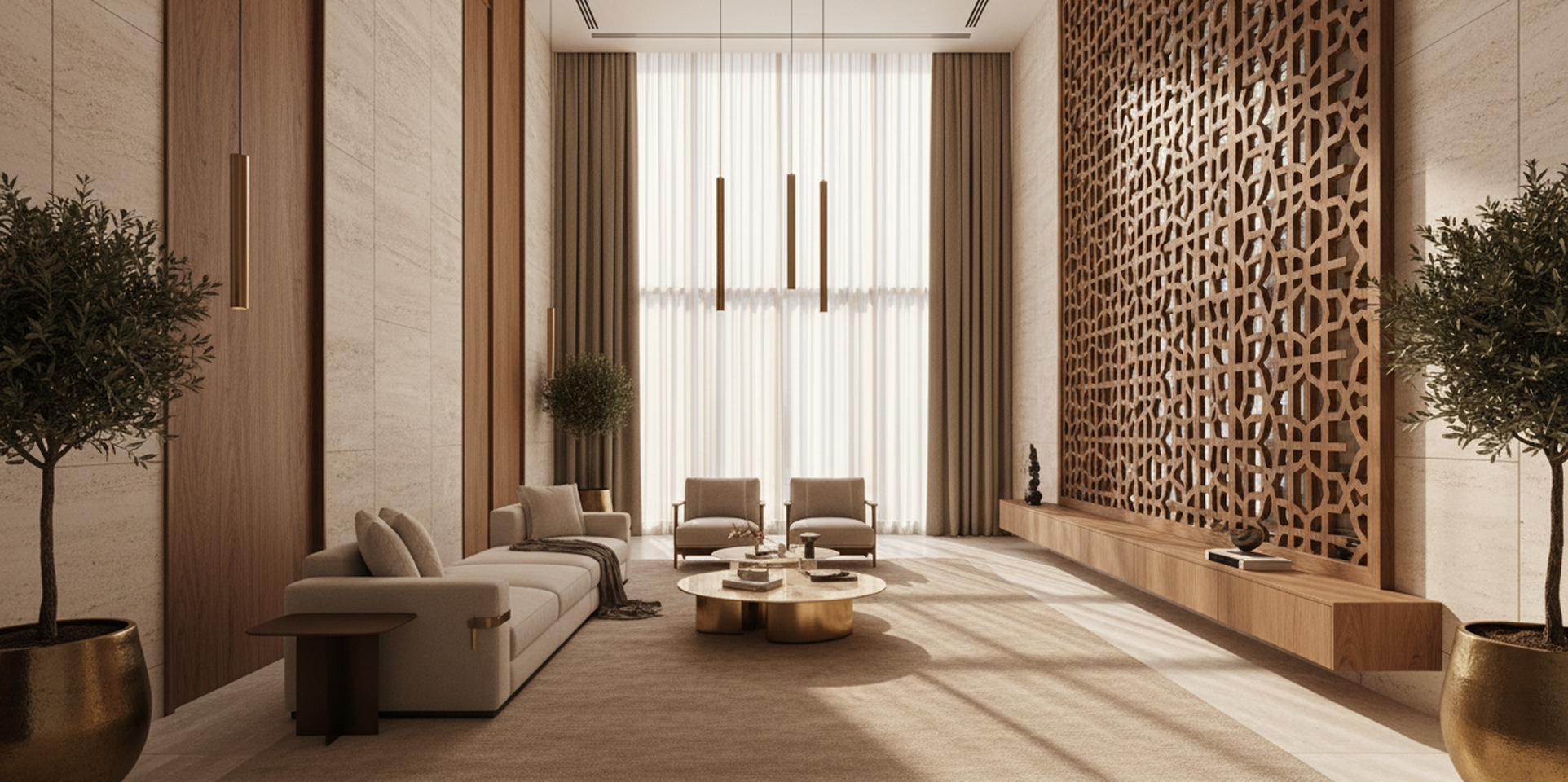
Modern Arabic interiors introduce regional character through details such as mashrabiya-inspired screens, geometric patterns, textured stone, rich timber finishes, and carefully selected decorative elements. The result feels connected to local architecture and cultural influences without appearing overly traditional, making it a natural choice for homeowners seeking a stronger sense of place.
Transitional Design
Transitional interiors bring together classic architectural details with clean, current furnishings and understated finishes. This direction appeals to homeowners who appreciate familiar design features yet prefer a fresher, more relaxed living environment. It also works well in larger villas with traditional architectural features.
Biophilic & Coastal-Inspired Design
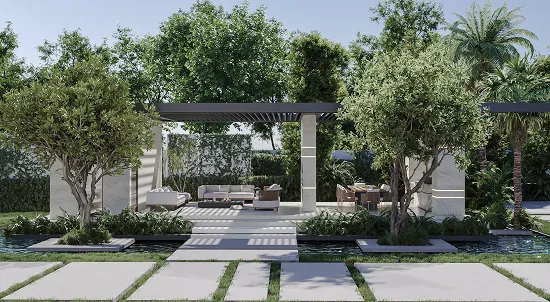
Natural materials, indoor planting, textured finishes, and light colour palettes define this design direction. Homes with gardens, courtyards, generous glazing, or sea views benefit particularly well, creating bright living spaces that make full use of natural daylight and outdoor connections.
You don’t need to identify with a single design style before your first meeting. An experienced interior designer in Dubai will use your inspiration images, lifestyle, and preferences to shape a design direction that feels authentic to your home and the way you live, instead of following a fixed template or showroom look.
How Will the Designer Understand My Taste?
You don’t need a design vocabulary to communicate what you want your home to feel like. Interior designers understand preferences through visual references, conversations, and observations about how you live. A saved image, a favourite material, or a simple comment about what feels right can reveal valuable details about your personal direction.
Designers use tools such as mood boards, inspiration images, home walkthroughs, and guided discussions to understand your preferences. A photo that captures the right feeling can communicate more clearly than trying to describe a specific design term. Saying “I like this, but with warmer tones” or pointing out a detail you admire gives your designer a useful starting point.
Rayfitout’s discovery conversations focus on understanding your routines, preferences, priorities, and the details that matter to you. These discussions help shape an initial design direction that reflects your vision and creates a clear foundation for the next stages of the project.
How Do I Set a Realistic Budget Before the First Meeting?
A clear budget gives your interior designer a better understanding of your expectations and helps guide the direction of the project. Before your first consultation, consider setting a realistic investment range instead of focusing on a fixed figure. This provides flexibility during the early planning stages and allows room for decisions around materials, finishes, furniture, and project requirements.
Consider what you want your budget to include. Some homeowners plan for interior design services separately, while others include furniture, custom joinery, fit out works, lighting, and finishing details within the overall investment. Defining this early creates a clearer picture of the project scope.
Being open about your budget ceiling helps your designer recommend suitable solutions that align with your priorities. It allows the conversation to focus on the right materials, finishes, and possibilities for your home without unnecessary revisions later.
For a detailed breakdown of planning your interior investment, explore our guide on How to Budget for an Interior Design Project. This resource covers the key cost considerations, planning stages, and factors that influence the overall project budget.
When Should You Hire an Interior Designer – Before or After Buying Your Home?
The ideal time to involve an interior designer depends on your property stage and the decisions still available. In Dubai, bringing a designer into the process early can help homeowners make informed choices about layouts, finishes, furniture, and practical requirements before major commitments are made.
Off-Plan Purchases
For off-plan properties, involving an interior designer during the construction stage can provide valuable opportunities to plan ahead. Many Dubai developers allow selected customisations during the build period, including layout adjustments, electrical points, lighting provisions, and finish selections.
Reviewing these details early helps identify opportunities that may be difficult or more costly to change after handover. A designer can help assess the plans, consider how the spaces will be used, and create a clear direction before construction decisions are finalised.
Ready or Resale Properties
For ready or resale homes, bringing an interior designer in before purchasing furniture is a practical approach. Ideally, the consultation should happen around the offer stage or before handover, allowing the design plan to guide furniture selections, space planning, and finishing decisions.
This approach helps create a considered home plan instead of making individual purchases that may not work well together later. Existing features, room proportions, and your lifestyle requirements can all be reviewed before investment decisions are made.
It’s rarely too late to involve an interior designer, even if the project has already started. However, early involvement gives more opportunity to plan effectively, avoid unnecessary changes, and make decisions with greater confidence.
How Do You Brief an Interior Designer for the Best Results?
Non-Negotiables & Must-Haves
Begin by identifying the elements your home must include. This may involve a dedicated home office, prayer room, additional storage, a children’s play area, a larger entertaining space, or specific requirements for family routines. Sharing these details early helps the design direction reflect your daily needs. A beautiful space should feel considered around the way you live, with the right features planned before layouts and selections are finalised.
Dislikes: Colours, Materials & Styles
Knowing what you do not want is just as valuable as knowing what appeals to you. Share any colours, finishes, materials, or design directions you would prefer to avoid. A clear understanding of your preferences helps the designer create recommendations that feel personal. Saved images with notes about specific details you like or dislike can make these conversations more productive.
Budget Honesty & Decision-Making Process
Be open about your budget expectations and define the maximum investment you are comfortable with. This allows the designer to recommend suitable materials, furniture, and finishes that align with your priorities. If multiple people are involved in the decision process, clarify who will provide final approval before the project begins. This keeps communication organized and helps prevent unnecessary revisions.
Rayfitout’s briefing conversations follow structured questions including lifestyle needs, design preferences, budget expectations, and project goals. This approach helps create a clear direction before the design development begins. For a complete overview of the process, explore our Interior Design service in Dubai.
What Happens After the First Consultation?
After the first consultation, the design team begins shaping your ideas into a clearer direction through concept development, mood boards, space planning, and initial recommendations. Once the project scope, requirements, and design approach are defined, you will receive a proposal outlining the next steps, estimated scope, and project details.
To understand the complete process and how your home moves through design development, planning, and execution, explore our Interior Design Company in Dubai page.
What Mistakes Should Homeowners Avoid When Preparing for Their Interior Designer?
Preparing well before your first meeting helps create a more productive design experience. Avoid these common preparation mistakes to give your designer a clearer understanding of your expectations, priorities, and home requirements.
- Keeping your budget unclear: Sharing a realistic budget range helps the designer recommend suitable materials, finishes, and solutions that match your expectations.
- Not sharing dislikes early: Colours, materials, finishes, or design directions you want to avoid are valuable information. Communicating these preferences early helps guide the creative direction.
- Over-preparing your home before a walkthrough: A lived-in home gives the designer insight into your routines, storage needs, and how spaces are used daily. Removing too many personal details can hide useful information.
- Purchasing major furniture or starting fit-out work too early: Buying key pieces before the design direction is established can limit layout options and create decisions that may not align with the overall plan. Involving a designer early allows the space, furniture, and finishes to be considered together.
Frequently Asked Questions

%20(1).png)