



.png)
Flooring sets the foundation for how a luxury residence feels, functions, and ages. In Dubai villas, the right surface choice influences the atmosphere of each space, the selection of finishes and joinery, and the long-term maintenance of the home. Flooring decisions are made early in the design process, and professional interior design guidance helps ensure materials, finishes, and budgets are considered together from the beginning.
Marble is known for its natural veining and timeless appeal. Porcelain is valued for its durability and low maintenance. Dubai’s heat, humidity, dust, and constant air conditioning influence how flooring performs over time, making climate an important part of the selection process. This guide examines performance, local conditions, underfloor systems, ownership costs, and the leading flooring trends for luxury homes in 2026.
Marble vs Porcelain – Which Is Better for Dubai Interiors?
For luxury homes in Dubai, the right flooring choice depends on lifestyle, long-term ownership costs, and how the material performs in the local climate.
Flooring in a luxury Dubai home should reflect how each space is used, the level of maintenance expected, and the overall design direction of the residence. Marble remains highly valued for its natural veining, rarity, and ability to create a distinctive statement in formal areas. Porcelain offers dependable performance through its dense, non-porous surface, making it suitable for spaces exposed to daily activity, moisture, and frequent cleaning.
The right selection comes down to the priorities of the room. A marble entrance hall or formal living space can create a memorable first impression, while porcelain in kitchens, family areas, and bathrooms provides practical durability with minimal upkeep.
Where Real Marble Still Wins
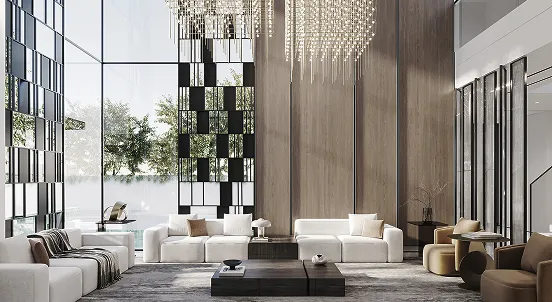
Real marble earns its place in spaces created to leave a lasting impression. Grand entrance halls, feature walls, formal living rooms, dining areas, and master suites showcase the natural depth and distinctive veining that make genuine stone highly sought after in luxury Dubai homes. Lower levels of daily foot traffic also help preserve polished surfaces, allowing marble to retain its premium appearance for many years with proper care. Selecting the right marble requires thoughtful consideration of the stone’s origin, quality, finish, and suitability for the intended application. Our blog on selecting the world’s best stones and marbles for luxury interiors in Dubai explores how premium natural materials are chosen for high-end residential projects.
Where Porcelain Is the Smarter Choice
Porcelain performs exceptionally well in areas exposed to constant activity. Kitchens, bathrooms, family living spaces, corridors, and utility areas benefit from its non-porous surface, excellent resistance to moisture, and simple maintenance routine. For busy households in Dubai, porcelain delivers dependable day-to-day performance without the ongoing care that natural marble requires.
.png)
Is Porcelain or Natural Stone Better for High-Traffic Areas?
High-traffic areas require flooring that can maintain its appearance through years of daily use. In Dubai villas, entrances, hallways, kitchens, and family spaces experience constant movement, fine desert dust, regular cleaning, and changing household activity. These conditions make material performance just as important as the floor’s visual appeal.
Porcelain is generally the more practical choice for busy areas due to its dense surface, resistance to stains, and low maintenance requirements. It handles repeated foot traffic well and remains easy to care for in spaces exposed to everyday use, making it a popular specification for modern Dubai homes.
Natural stone remains a premium choice for homeowners who value the character of genuine materials. Marble can create a striking impression in formal living areas, entrances, and other statement spaces. In high-use zones, it requires more attention through careful finish selection and regular maintenance to preserve its original appearance.
For areas with constant movement, porcelain offers dependable long-term performance. Natural stone is best reserved for spaces designed around visual impact, controlled usage, and a strong architectural presence.
Understanding PEI and Slip Ratings Before You Buy
PEI ratings help homeowners understand how well porcelain flooring can handle daily wear. Higher ratings are generally suited to areas with greater foot traffic, such as entrances, kitchens, corridors, and family rooms.
Slip ratings are especially important in spaces exposed to moisture, including bathrooms, balconies, terraces, and pool areas. The right surface finish should be selected according to the room’s function, expected usage, and safety requirements.
For luxury Dubai villas, flooring selection should consider the complete environment of the space, including movement patterns, maintenance needs, and indoor-outdoor connections.
.png)
What Flooring Stays Coolest in Dubai’s Climate?
Dubai’s climate plays a major role in flooring performance. Extreme summer heat, strong temperature changes between outdoor and indoor spaces, coastal humidity, and continuous air conditioning create conditions that test how materials respond over time. Choosing the right flooring is about more than comfort underfoot; it also affects durability, maintenance, and long-term performance.
Coolest to warmest underfoot:
Natural stone remains one of the coolest flooring options for Dubai villas due to its density and ability to absorb and release heat gradually. Marble, limestone, and similar stones typically feel cooler underfoot, making them popular choices for spacious living areas and luxury residences.
Porcelain delivers a strong alternative with practical advantages suited to the UAE environment. Its dense, non-porous surface responds well to cooling systems and handles challenges such as desert dust, hard-water marks, and frequent cleaning with ease.
Some materials require more consideration in Dubai homes. Solid hardwood can expand, contract, or warp due to moisture fluctuations, while porous cement and encaustic tiles may absorb stains and require additional upkeep.
Why Solid Hardwood Struggles in the UAE Climate
Solid hardwood performs best in environments with stable humidity and temperature levels. Dubai’s cycle of intense outdoor heat, strong indoor cooling, and coastal moisture can cause natural timber to move over time.
A hardwood floor that looks perfect in a showroom in a temperate climate may react differently after installation in a UAE villa. Engineered wood is generally a more suitable alternative, offering the warmth of timber with improved stability for Dubai’s conditions.
.png)
What’s the Best Flooring for Underfloor Cooling / Heating?
Underfloor systems are becoming increasingly popular in Dubai villas, especially during new builds and major renovations. The flooring material placed above the system directly affects how efficiently heat or cooling moves through the surface. Materials with strong thermal conductivity allow temperature to transfer faster, creating more consistent comfort throughout the room.
Best to least compatible flooring options for underfloor systems:
Porcelain and ceramic tiles are among the best choices for underfloor cooling and heating systems. Their dense structure allows them to transfer temperature efficiently, helping systems operate effectively while maintaining comfortable indoor conditions. In Dubai homes, where cooling demand remains high for much of the year, better heat transfer can contribute to improved system efficiency and reduced energy consumption.
Engineered wood provides a practical alternative for spaces that require a warmer feel underfoot. Its layered construction offers greater stability against temperature changes compared with solid timber, making it more suitable for bedrooms and family areas with underfloor systems.
Carpet and thick soft floor coverings are generally less suitable because they act as insulation and slow down temperature movement. They can reduce the effectiveness of the system and limit the comfort benefits homeowners expect.
Tile and Stone – The Most Efficient Conductors
Tile and stone remain the preferred flooring choices for underfloor systems due to their density and excellent thermal transfer. Porcelain, ceramic, and natural stone allow hydronic or electric systems to distribute cooling or heat more efficiently across the surface.
For Dubai villas, this combination works especially well in open-plan living areas, kitchens, and bathrooms, where maintaining comfortable temperatures while managing energy use is a priority.
Where Engineered Wood Fits In
Engineered wood offers a suitable option for homeowners who want the warmth and character of timber alongside underfloor comfort. Its layered structure provides better dimensional stability than solid wood, allowing it to handle temperature changes more effectively.
It is particularly suited to bedrooms and family areas where a softer underfoot experience is valued, even though hard surfaces remain the strongest performers for thermal transfer.
How Much Does Luxury Flooring Cost in a Dubai Villa?
Luxury flooring costs in a Dubai villa can vary widely depending on the material, design requirements, and installation conditions. As a general UAE market guide, porcelain flooring may range from approximately AED 50 to 300+ per square metre for materials, while premium natural stone, especially imported Italian marble, can range from AED 300 to 1,500+ per square metre or higher for exclusive selections.
The material price represents only part of the overall investment. Porcelain generally offers a wider range of options across different budgets, making it suitable for large villa projects. Natural stone carries a higher premium due to its rarity, sourcing, transportation, specialist cutting, and skilled installation requirements.
Additional costs can come from factors that are easy to overlook during early planning. Imported marble may involve shipping charges, import duties, VAT, fabrication costs, and specialised installation. Large-format slabs, intricate patterns, and custom layouts can further increase labour requirements.
A detailed BOQ helps identify flooring costs before construction begins, including materials, preparation work, installation details, and additional project requirements. For homeowners planning a luxury renovation, our blog on what a BOQ covers in interior design and construction explains how detailed project planning helps manage budgets more effectively.
What Actually Drives the Price – Origin, Format, and Installation Complexity
Several factors influence the final cost of luxury flooring:
What Other Flooring Options Are Luxury Dubai Homes Choosing in 2026?
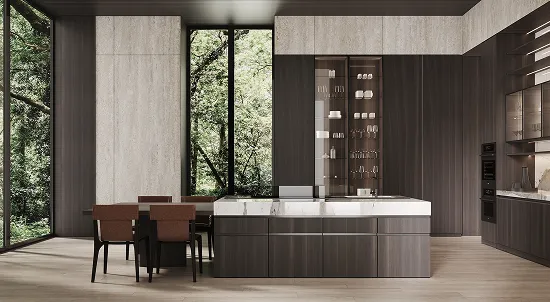
Flooring trends in luxury Dubai homes continue to evolve as homeowners look beyond traditional marble and porcelain tiles. Larger formats, natural textures, and carefully selected finishes are shaping contemporary interiors, with materials chosen according to the purpose of the space and the overall design direction of the home. Flooring is also planned alongside bespoke joinery, allowing timber finishes, cabinetry, and flooring to complement one another through colour, texture, and proportion.
Luxury Dubai residences are increasingly featuring a wider selection of natural stones beyond marble and porcelain. Quartzite is valued for its strength and distinctive patterns, making it a considered choice for high-end flooring applications and statement surfaces. Limestone and travertine introduce softer textures and warm tones suited to contemporary villas and Mediterranean-inspired residences. Onyx remains a sought-after accent material for feature walls, backlit installations, and selected architectural details, offering distinctive veining and natural translucency. These stone selections bring individuality to luxury interiors through carefully planned material choices tailored to the character of the residence.
Large-Format Slabs and the “Seamless Floor” Trend
Large-format porcelain slabs, measuring 24″ × 48″ and above, have become one of the defining flooring trends for luxury villas. Fewer grout lines create a cleaner appearance across open-plan living areas, entrance halls, and spacious bathrooms, allowing the scale of the room to stand out. Marble-look porcelain remains a popular choice for homeowners seeking the appearance of natural stone, alongside concrete-look finishes suited to contemporary interiors.
Book-matched marble continues to represent one of the most exclusive applications of natural stone. Matching slabs create continuous veining across entrance walls, feature bathrooms, and statement living spaces, highlighting the unique character of genuine marble.
Surface preferences are also changing. Honed and matte finishes are increasingly specified instead of high-gloss surfaces, offering a softer appearance that complements contemporary architecture and remains practical for everyday living.
Where Terrazzo and Engineered Wood Fit Into a Luxury Scheme
Terrazzo has re-emerged in luxury residential design, particularly in bathrooms, powder rooms, and wellness spaces. Earth-toned aggregates and natural mineral colours create a calm visual character that suits spa-inspired interiors without dominating the surrounding material palette.
Engineered wood remains a preferred choice for bedrooms, dressing rooms, and family living areas. Wide-plank boards introduce natural warmth and texture, creating a more comfortable feel underfoot than hard flooring surfaces. When flooring selections are coordinated alongside bespoke joinery, cabinetry, wardrobes, and architectural details share a consistent material palette, creating a thoughtfully planned interior throughout the home.
.png)
Does Flooring Choice Affect Resale Value and Rental Yield in Dubai?
Flooring can influence how buyers and tenants perceive a property long before they consider room sizes or technical specifications. Large flooring surfaces immediately shape the overall impression of a home, making material selection an important part of presenting a luxury property. As discussed in our guide on the value of professional interior design, well-executed renovations can contribute to stronger resale performance and rental appeal, although outcomes vary according to location, property type, market conditions, and the quality of the renovation.
Natural stone continues to carry strong prestige in Dubai’s luxury property market. Marble, in particular, is widely recognised as a premium material, giving entrance halls, living spaces, and master suites an immediate sense of exclusivity during property viewings. Porcelain creates value through a different strength. Its resistance to stains, scratches, and everyday wear helps preserve the appearance of the flooring for years with minimal maintenance, making it an attractive choice for long-term ownership and investment properties. A successful flooring specification considers immediate buyer perception alongside lasting performance, allowing the property to retain its appeal well beyond the first viewing.
.png)
What Are the Most Common Flooring Mistakes Homeowners Make in Dubai Renovations?
Many flooring decisions are made early in a renovation, making costly changes difficult once installation begins. Some of the most common mistakes include:
This is why flooring decisions should be part of a complete design and BOQ strategy. Coordinating specifications, finishes, and budgets at the beginning of a project helps reduce costly changes during construction and ensures the final home feels carefully planned throughout.
Choosing the Right Flooring for Your Dubai Luxury Home
The right flooring choice for a luxury Dubai home depends on more than selecting a premium material. Marble, porcelain, engineered wood, and other surfaces each serve different purposes across a residence. The ideal selection considers the room’s usage, Dubai’s climate conditions, maintenance expectations, and any underfloor cooling or heating systems planned for the property.
Flooring is also one part of a larger interior design and budget strategy. The final result depends on how flooring works with joinery, wall finishes, lighting, furniture, and the overall material palette. Making these decisions without a clear plan can lead to costly changes during construction.
Working with an experienced interior design team in Dubai helps homeowners make flooring decisions as part of a complete material and BOQ strategy. From selecting the right stone or porcelain finish to coordinating joinery, wall treatments, and installation requirements, professional guidance helps prevent costly changes caused by disconnected decisions made at different stages of the project.
.png)
Frequently Asked Questions

%20(1).png)