



A private jet refurbishment can range anywhere between $150,000 and $10 million+, depending on three decisions: aircraft size, project scope, and material selection. A light jet cabin refresh sits in a very different budget category than a bespoke refurbishment aboard a long-range flagship aircraft. Despite significant investment levels, clear pricing guidance remains rare across the industry.
The U.S. aircraft refurbishment market reached $1.8 billion in 2025 and is forecast to reach $2.4 billion by 2032, according to Persistence Market Research. In this guide, you’ll find verified refurbishment cost ranges by aircraft category, detailed pricing by project scope, component-level cost benchmarks, realistic project timelines, and the financial impact a refurbishment can have on aircraft value. Drawing upon first-hand experience across custom private jet interior design projects in Dubai, Rayfitout shares the figures, cost drivers, and planning considerations that shape refurbishment budgets in 2026.
Private Jet Interior Refurbishment Cost — Ranges by Aircraft Type
Light Jet Interior Refurbishment Cost
Aircraft, including the Citation CJ series and Embraer Phenom 100, require between $150,000 and $700,000 for an interior refurbishment.
Budgets within this range generally cover:
- New carpet installation
- Recovering existing seats with aviation-certified leather
- LED cabin lighting upgrades
- Refurbishment of sidewall panels and cabin trim
- Refinishing existing cabinetry and veneer surfaces
Owners looking for cabin restoration without replacing major interior components fall within this investment range.
A full custom jet refurbishment usually starts around $700,000 and can exceed $1.5 million. Costs increase once the project includes newly manufactured seating, custom joinery, a new cabin management system, redesigned monuments, and premium aviation-certified materials. Engineering reviews, certification requirements, and installation activity contribute significantly to the final budget.
Midsize Jet Interior Refurbishment Cost
Aircraft, including the Hawker 800, Hawker 900, Citation XLS, and Legacy 450, generally require $400,000 to $1.2 million for a moderate refurbishment programme.
This level of investment commonly includes:
- Replacing leather upholstery across passenger and crew seating
- Installing new aviation-grade carpeting throughout the cabin
- Refinishing or re-veneering tables, side ledges, and cabinetry
- Upgrading cabin lighting with modern LED systems
- Replacing window shades, reveal panels, and decorative trim
- Refurbishing galley units, storage cabinets, and lavatory cabinetry
A full midsize jet cabin refit can exceed $1.2 million once the specification expands beyond cosmetic upgrades. New seating programmes, custom cabinetry, connectivity upgrades, monument modifications, and extensive material replacement can substantially increase costs. The larger cabin footprint increases labour requirements and material quantities across all major interior elements.
Large Jet Interior Refurbishment Cost
Large-cabin aircraft, including the Gulfstream G650 and Bombardier Global 7500, require $1 million to $3 million for a standard refurbishment programme.
A refurbishment project at this level often includes:
- Upgrades to cabin management and passenger entertainment systems
- Enhanced soundproofing and insulation packages
- Custom windowline treatments and cabin trim refurbishment
- Carpet replacement throughout the cabin
- Credenza modifications or removal
- Galley refurbishment and functional upgrades
A full bespoke jet refurbishment ranges between $2 million and $5 million. Layout revisions, newly manufactured joinery, seating replacement, cabin systems upgrades, and extensive material packages account for much of this investment. With a cabin measuring approximately 47 feet in length and 8.5 feet in width, the Gulfstream G650 requires substantially greater quantities of leather, veneer, carpet, insulation, and installation labour than smaller aircraft categories.
Ultra-High-End and Fully Bespoke Refurbishment Cost
Ultra-high-end refurbishments regularly exceed $10 million. This category includes VVIP aircraft, head-of-state cabins, and private aircraft commissioned around highly individual requirements. For Boeing Business Jets and Airbus Corporate Jets, project cost is determined entirely by specifications, engineering requirements, and the level of custom manufacturing involved.
Projects within this tier frequently include:
- Hand-crafted carpets produced exclusively for a single aircraft
- Book-matched exotic veneers applied throughout the cabin
- Custom-milled hardware and decorative metalwork
- Architectural joinery packages manufactured to bespoke specifications
- Commissioned artwork integrated into the cabin design
- Wellness facilities and private bedroom suites
- Advanced multi-zone cabin control systems
Material procurement, engineering development, manufacturing, certification, and installation are executed as a single bespoke programme created for one aircraft and one owner.
Jet Interior Refurbishment Cost by Scope
Soft Goods Refresh — What It Covers and What It Costs
A private jet soft goods refurbishment is the lowest-cost entry point into cabin renewal and starts at approximately $100,000 for a large-cabin aircraft. This scope focuses exclusively on surface materials, including carpet replacement, seat upholstery, draperies, and headliners. No monument modifications, structural work, or cabin reconfiguration are involved. For owners preparing an aircraft for sale or addressing visible cabin wear, this scope delivers a substantial visual improvement within a relatively short timeframe.
Carpet replacement alone can cost between $40,000 and $90,000 when using standard aviation-grade wool priced at approximately $400 to $500 per square yard. Custom patterns, silk blends, and commissioned designs can exceed $1,200 per square yard. Full leather seat recovering for a large-cabin configuration typically reaches $200,000, with refurbishment requiring approximately 40 to 60 labour hours per seat. Full-grain aircraft leather generally costs between $80 and $120 per square foot. Most projects are completed within three to six weeks.
Partial Interior Update — Targeted Upgrades Without Layout Changes
A partial private jet interior upgrade ranges between $100,000 and $500,000 and focuses on visible cabin improvements without altering the existing layout. Typical work includes new upholstery, carpet replacement, LED lighting upgrades, window shade replacement, and cabinetry refinishing. Existing monuments remain in place, eliminating much of the engineering and certification activity associated with larger refurbishment projects.
Projects approach the upper end of this range once leather replacement, carpet installation, lighting upgrades, and veneer refinishing are specified across the entire cabin. This scope appeals to owners looking for a substantial cabin refresh without extended aircraft downtime. Most projects are completed within four to eight weeks, depending on aircraft size and material procurement schedules.
Connectivity and Technology Upgrade — What Systems Cost
Technology upgrades represent one of the largest expenditure categories within modern private jet refurbishment programmes. Aircraft internet systems are significantly more expensive than residential or commercial solutions because they require certified aviation hardware, specialised satellite antennas capable of maintaining connectivity at high altitudes and speeds, extensive integration with existing aircraft systems, and regulatory approval for installation. A full Wi-Fi and connectivity upgrade can exceed $500,000, with the radome antenna alone adding approximately $100,000. Cabin management systems command even higher budgets. A fully installed Venue system, for example, can cost approximately $750,000 depending on aircraft platform and integration requirements.
Many owners now include connectivity upgrades alongside interior refurbishment projects to avoid additional aircraft downtime. Starlink installations have gained significant traction across the large-cabin market, particularly on Gulfstream G650 and G650ER fleets, due to lower acquisition costs than many legacy satellite systems. Smaller technology packages focused on entertainment systems, lighting controls, and custom cabinetry integrations range between $50,000 and $200,000. Project duration varies according to system complexity and certification requirements.
Full Interior Overhaul — Complete Cabin Remodel Cost
A full private jet interior overhaul involves the removal of existing monuments, complete cabin redesign, newly manufactured cabinetry, replacement of all cabin linings, new seating programmes, and major systems upgrades. Standard large-cabin refurbishment programmes generally range between $500,000 and $3 million. A bespoke Gulfstream G650-class refit typically falls between $2 million and $5 million, depending on specification and engineering requirements.
Individual cost components illustrate how quickly budgets accumulate. Woodwork and joinery replacement alone can range between $300,000 and $500,000. Installing a new 16g-certified divan can add approximately $250,000. Labour rates at certified completion centres generally range between $125 and $175 per hour, with labour accounting for roughly 50 to 70 percent of total project expenditure. Project timelines typically range between three and nine months, with highly customised large-cabin programmes occupying the upper end of that schedule.
Phasing the Refurbishment — Managing Cost Across Multiple Cycles
Many aircraft owners distribute refurbishment expenditure across multiple ownership years rather than committing to a complete cabin overhaul in a single phase. A common strategy begins with carpet, upholstery, and soft goods replacement, followed by connectivity and cabin management upgrades several years later. Joinery replacement, monument modifications, and major cabin redesign work are then completed during a later refurbishment cycle.
This approach allows capital expenditure to be allocated across several budget periods while maintaining cabin condition and passenger experience. Successful phasing requires a clear long-term plan established at the outset. Material selections, technology decisions, and manufacturing specifications should align with the intended final cabin programme, reducing the risk of duplicated work or unnecessary replacement costs later in the ownership cycle.
5 Key Factors that Drive the Final Cost of Private Jet Refurbishment
Aircraft Size and Cabin Volume
Aircraft size has a direct impact on refurbishment cost because larger cabins require greater quantities of materials and substantially more installation hours. Carpet, leather, veneer, insulation, cabinetry finishes, lighting components, and decorative surfaces all increase in line with cabin dimensions. Additional seating positions, monuments, sidewalls, and storage units further expand the scope of work.
A Gulfstream G650, for example, features approximately 47 feet of cabin length and 8.5 feet of cabin width. A midsize aircraft requires significantly fewer square yards of carpet, fewer hides of leather, less veneer coverage, and fewer labour hours. Even when two aircraft receive the same specification, the larger cabin will require a substantially higher investment due to material quantities and installation requirements.
Scope of Work — The Most Controllable Variable
Scope has a greater influence on cost than any other single factor. An aircraft owner who replaces carpet, upholstery, and window treatments will face a very different budget than an owner commissioning a complete cabin redesign with new monuments, custom seating, and upgraded systems.
The financial gap can be substantial. On the same aircraft, the difference between a soft goods refresh and a full layout redesign can exceed $2 million. The strongest refurbishment strategies begin with a clear understanding of passenger requirements, travel patterns, and ownership objectives. That process helps define the work that delivers measurable value rather than expanding project scope without a clear purpose.
Material Specification — Where Cost Compounds
Material selection influences virtually every surface inside the cabin. Leather, carpet, veneers, fabrics, wall coverings, decorative metals, and cabinetry finishes all contribute to the final budget. Small changes in specification can create significant cost increases once applied across an entire aircraft interior.
Veneer packages represent one of the most variable cost categories in large-cabin projects. Book-matched exotic species require extensive material selection and manufacturing time, placing them among the highest-value interior components. Standard aviation fabrics generally range between $150 and $400 per yard, while premium aviation-grade fabrics can exceed $500 per yard. Custom carpets featuring logos, patterns, or commissioned artwork can increase pricing by 50 percent or more compared with standard specifications. Certified FSC veneers, recycled carbon-fibre composites, and bio-based materials are also appearing more frequently in contemporary aircraft projects.
Production Method and Studio Capability
The production model behind a refurbishment project has a direct effect on cost control, quality management, and project efficiency. Studios operating their own joinery and manufacturing facilities retain control over fabrication, scheduling, quality assurance, and installation preparation throughout the project lifecycle.
Outsourced fabrication introduces additional supplier margins, longer approval chains, and reduced oversight during manufacturing. Any discrepancy discovered during installation can result in further manufacturing costs, project delays, and additional aircraft downtime. In-house production creates a more direct path between approved design documentation and final installation, reducing unnecessary cost exposure throughout the programme.
Aviation Certification Requirements
Every material and installed component within a private jet cabin must satisfy aviation certification requirements before the aircraft can return to service. FAR 25.853 flammability standards apply to carpets, leathers, fabrics, veneers, foams, adhesives, and numerous other interior components. Certification activity, airworthiness documentation, and coordination with approved completion facilities form a mandatory part of the refurbishment process.
These requirements cannot be bypassed through the use of lower-cost alternatives. Automotive-grade materials fail aviation flammability testing and cannot receive regulatory approval for aircraft installation. Coordination with FAA or EASA-authorised representatives also adds time and cost to the programme. Many owners reduce overall downtime by aligning refurbishment work with scheduled major maintenance inspections, allowing certification, maintenance, and interior upgrades to progress during the same grounding period.
Private Jet Interior Material & Component Cost Breakdown
How Long Does a Private Jet Interior Refurbishment Take?
Timeline by Scope
Soft goods refurbishment projects typically require three to six weeks. This scope includes carpet replacement, seat recovering, drapery updates, and headliner work, all completed without structural intervention or cabin reconfiguration.
Partial interior updates involving upholstery replacement, lighting upgrades, and cabinetry refinishing generally require four to eight weeks. Technology and systems upgrades vary according to platform complexity and certification requirements, though many can be executed alongside interior works without extending aircraft grounding. Full interior overhauls involving layout changes, custom joinery, seating replacement, and complete systems integration generally require three to nine months. Large-cabin bespoke programmes built around platforms like the G650 often extend toward the upper end of this range due to engineering, fabrication, and certification demands.
How to Minimise Downtime
Scheduling refurbishment alongside a major maintenance inspection reduces total aircraft grounding by consolidating maintenance and interior works into a single operational window. This approach eliminates duplicate downtime periods tied to separate maintenance and refurbishment cycles.
Advance material planning reduces schedule disruption caused by long-lead components such as exotic veneers, bespoke carpets, leather hides, and custom hardware, which typically require six to sixteen weeks for procurement and preparation. Selecting a refurbishment window outside peak travel periods reduces operational pressure during aircraft unavailability. Working with a single studio responsible for design, fabrication, and installation reduces coordination delays introduced by multiple contractors and removes handoff gaps that often extend project timelines.
Is a Private Jet Interior Refurbishment Worth the Investment?
Impact on Resale Value
A refreshed aircraft interior has a direct effect on market positioning at the point of sale. A well-maintained, modern cabin can add $150,000 to $500,000 or more to the resale value of a midsize or large-cabin aircraft, depending on specification and overall condition. Buyer perception of cabin condition often influences valuation outcomes as strongly as airframe hours or avionics status.
A strong interior presentation can raise aircraft value by approximately 20 percent, while a neglected cabin can reduce value by a similar margin. That creates a potential 40 percent spread between refurbished and non-refurbished examples of the same aircraft type. Industry data also indicates that refurbishment completed within 24 months of sale can recover up to 70 percent of its cost at the transaction. Cabin refresh projects completed within the same 24-month window have shown sale price gains of around 11 percent alongside reduced listing duration, lowering holding costs during sale exposure.
What Returns the Most Value — and What Does Not
Soft goods, including carpet, leather, upholstery, veneers, LED cabin lighting, and modern connectivity systems, deliver the strongest resale contribution. These elements define first visual impression and directly influence perceived cabin condition during inspections and buyer walkthroughs. They also align closely with buyer expectations in the midsize and large-cabin market.
Avionics upgrades typically return 50 to 80 percent of the investment at resale. Interior programmes generally recover 50 percent or less in direct cost terms, though they increase marketability and shorten time-to-sale. Discretionary design elements such as highly specialised finishes, bespoke artwork, or owner-specific configurations carry the lowest resale return, as they reflect individual preference rather than broad market demand. Investment decisions centred on widely expected cabin features tend to produce stronger resale positioning over a three to seven year ownership horizon.
For Long-Term Holders — A Different Calculation
For ownership periods extending beyond ten years, resale return becomes a secondary consideration. In this scenario, value is measured through sustained cabin usability, consistency of condition, and alignment with operational needs across the ownership cycle.
A full bespoke refurbishment delivers its greatest value through daily use over time. A cabin designed around specific travel patterns, maintained under aviation certification standards, and updated in phases creates a very different ownership experience compared with an unrefreshed interior that no longer reflects current usage. Long-term ownership prioritises comfort, function, and cabin condition retention over short-term resale recovery metrics.
A Real Jet Refurbishment in Dubai — Gulfstream G650 by Rayfitout
Project Overview
- Aircraft: Gulfstream G650
- Location: Dubai, UAE
- Area: 1,100 sqft
- Scope: Interior design & bespoke joinery
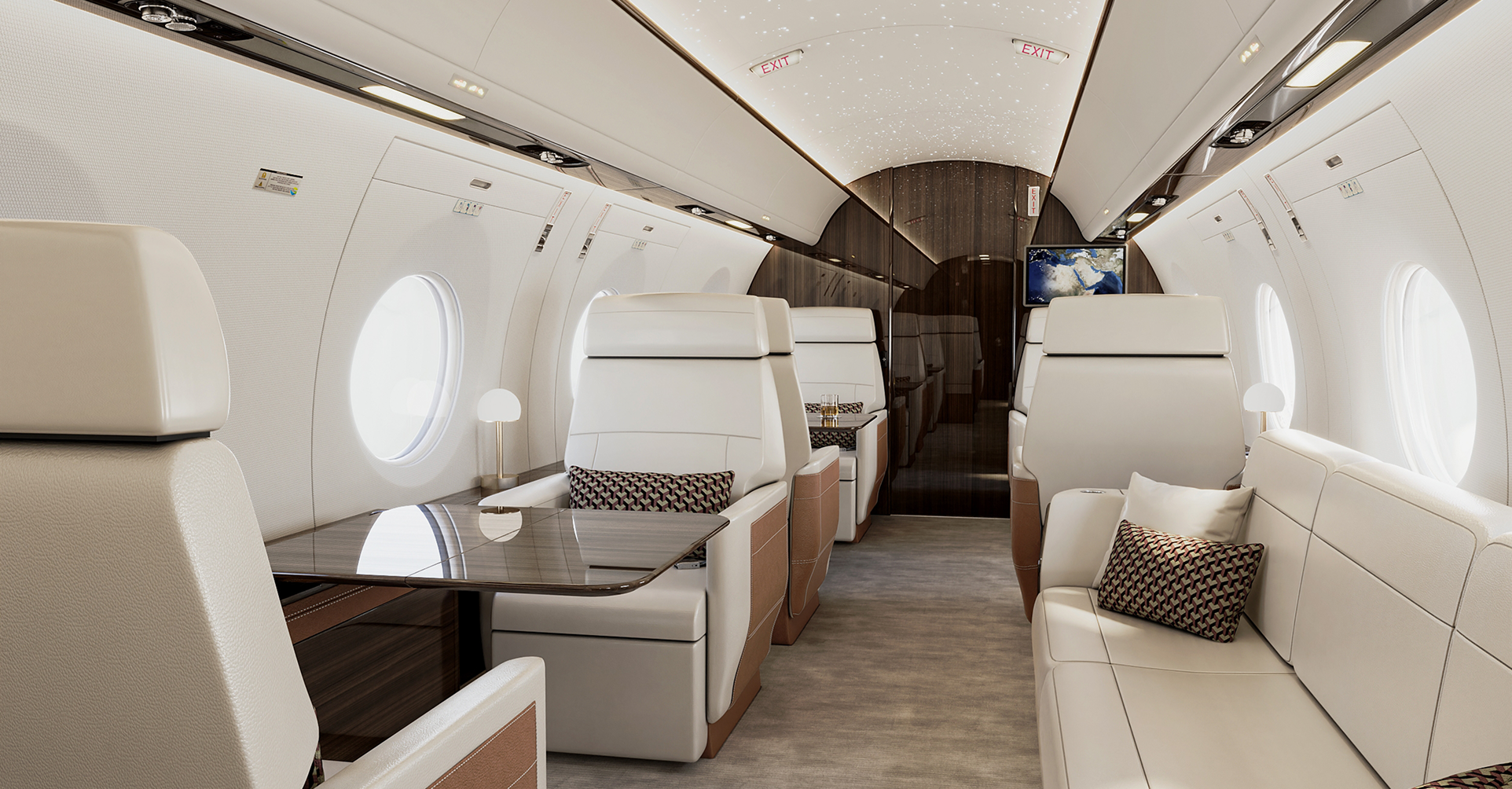
A Gulfstream G650 cabin delivered in Dubai, including turnkey interior design, layout development, in-house joinery production, seating manufacture, and final cabin finishing. We handled the project from early cabin planning through to installation and handover.
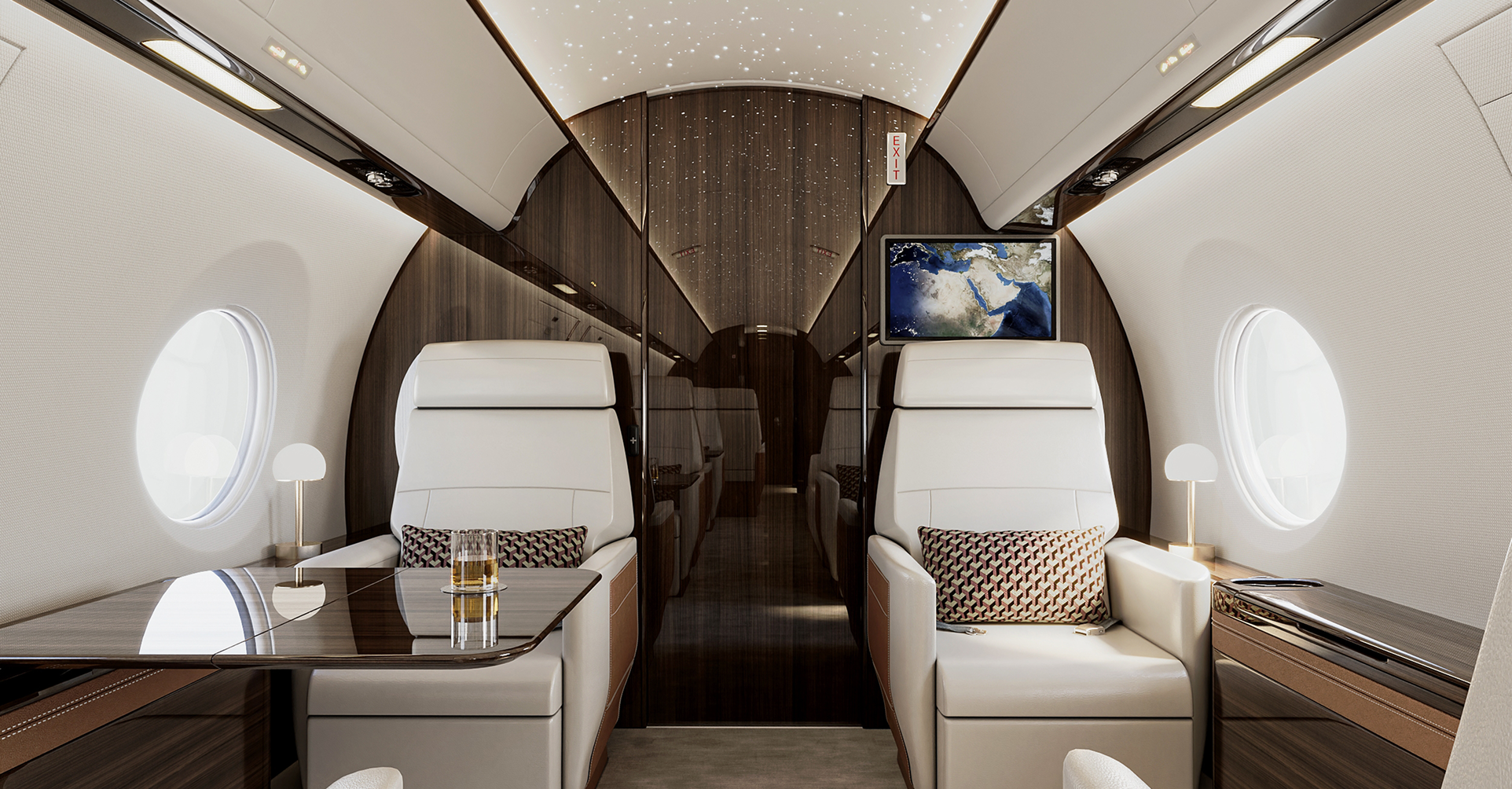
A starlight ceiling spans the main cabin section, set against dark wood paneling across sidewalls and monuments. Hand-stitched seating was designed and produced in-house to match cabin proportions and travel requirements. Cabinetry and integrated furniture were built for this aircraft and installed to comply with aviation standards.
View the Gulfstream G650 project. If you’re exploring a similar project, see our custom private jet interior design services.
What This Project Demonstrates
This project sits within the $2 million to $5 million range for a Gulfstream G650-class full bespoke refurbishment, consistent with the cost framework outlined in this article. Investment at this level reflects full cabin redesign, custom manufacturing, and aviation-certified installation across all interior zones.
It represents one of the few publicly documented Gulfstream G650 interior refurbishment programmes completed by a UAE-based studio operating with in-house joinery production and aviation-certified execution. The scope demonstrates end-to-end delivery across design, fabrication, and installation within a single controlled workflow, covering full turnkey responsibility from initial brief through certified handover.
For reference, project details are available at rayfitout.com/project/private-jet-interior-design-g650. For owners exploring a comparable refurbishment scope, see custom private jet interior design services.
Final Thoughts - and Your Next Step With Rayfitout
Private jet refurbishment cost sits on three pillars: aircraft size, project scope, and material specification. Each decision carries a measurable impact on total investment, shaping outcomes that extend beyond cabin appearance into long-term aircraft value and usability.
Rayfitout offers custom private jet interiors through a structured process covering initial brief, in-house joinery production, fabrication, installation, and certified handover, with accountability maintained across every stage of execution.
Tell us your aircraft type, your timeline, and what the cabin needs to do. We’ll take it from there.
Frequently Asked Questions

%20(1).png)