







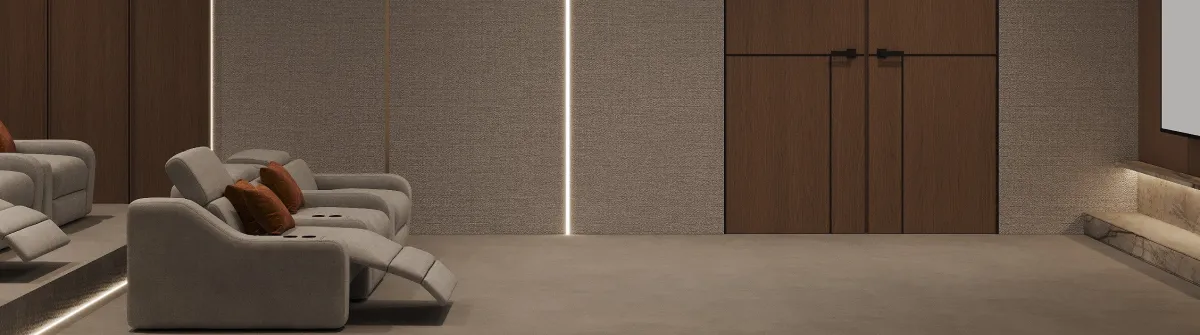
A door can change how a room works without changing its floor area. In Dubai's luxury villas and apartments, sliding door systems offer a practical alternative to conventional hinged doors, particularly where furniture placement, circulation, and minimalist design are priorities.
Pocket doors and standard sliding doors aren’t interchangeable, though. Their installation requirements, wall construction, maintenance access, and overall look differ significantly.
Choosing between pocket doors vs standard sliding doors means understanding how each system works. It means knowing whether your walls can take it. And it means picking the design that best balances function, durability, and cost.
What Is the Difference Between Pocket Doors and Standard Sliding Doors?
Both systems move sideways. Neither swings into the room. The main difference is where the door panel goes when it opens. That affects wall construction and the space you have.
How Do Pocket Doors Work?
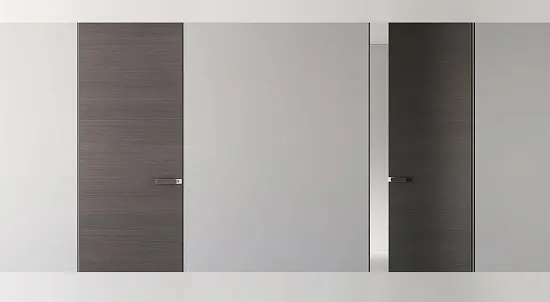
A pocket door slides into a purpose-built cavity inside the wall. Fully open, the panel is mostly hidden. The doorway stays clear.
The system usually includes an overhead track, rollers, guides, and a metal cassette or framed cavity. You need accurate wall dimensions and suitable hardware for smooth operation.
How Do Standard Sliding Doors Work?
A standard surface-mounted sliding door moves along the face of a nearby wall. The track may stay visible or be hidden behind an architectural cover.
These systems don’t need a cavity inside the wall, unlike pocket doors. The wall beside the opening still needs to provide enough clear space for the moving panel.
How Much Space Does Each Door Require?
Neither system needs the floor clearance a hinged door does. Both still need horizontal space beside the doorway.
Pocket doors use space inside the wall. Surface-mounted doors take up the wall face. A sliding panel may get in the way of switches, artwork, shelves, or furniture along its path.
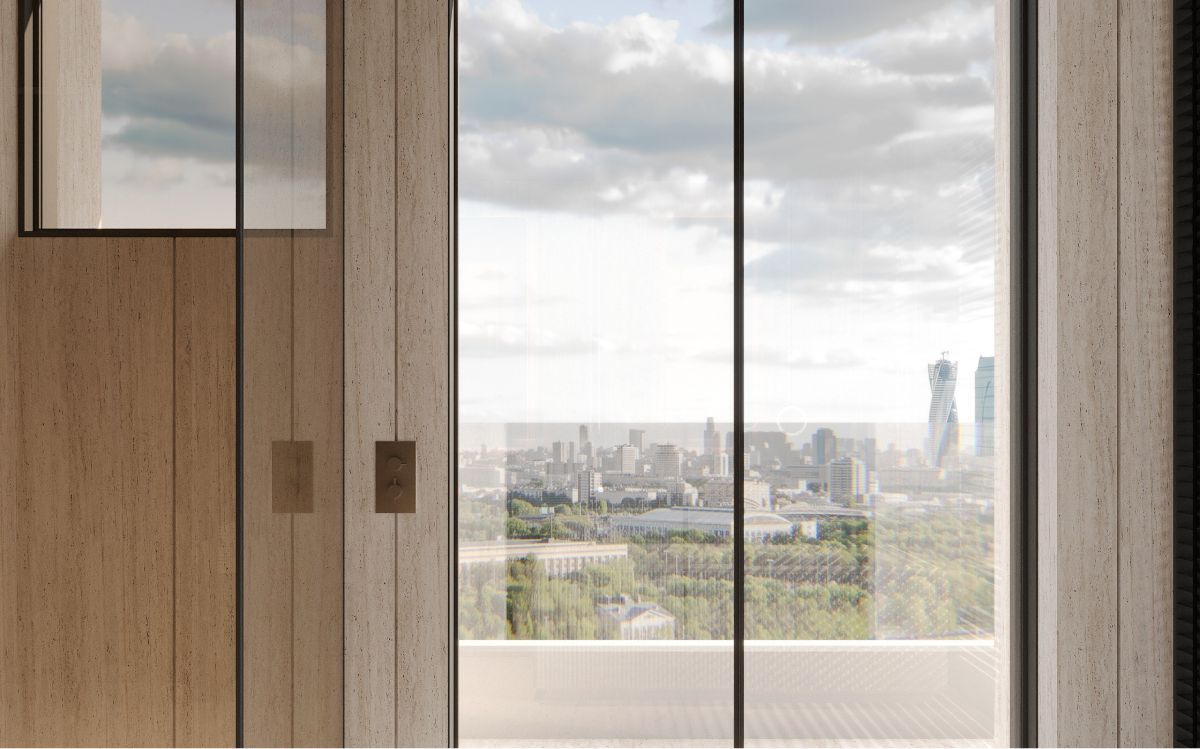
Which Door Offers Better Space Planning and Interior Design?
The right choice depends on how you use the surrounding wall. It also depends on whether the door should be a decorative feature or vanish into the architecture.
Pocket Doors for Minimalist Interiors
Pocket doors suit modern interiors where clean, uninterrupted walls and hidden architectural details come first.
They work particularly well between bedrooms and dressing rooms or adjoining living spaces where a concealed opening is preferred, and the required privacy and acoustic performance can be achieved. When open, the hidden panel makes a cleaner transition. It doesn’t take up visible wall space.
Standard Sliding Doors as Design Features
Surface-mounted sliding doors can become eye-catching architectural features. Timber veneers, decorative glass, metal frames, and textured finishes all help.
They suit interiors where the door should go with wall paneling or add visual contrast. Visible tracks and exposed panels may clash with very minimalist designs.
Choosing Doors for Different Rooms
Think about what the room is for before you pick the mechanism:
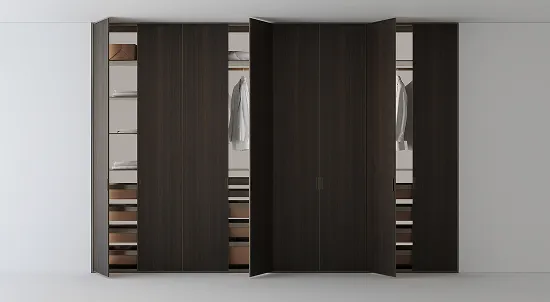
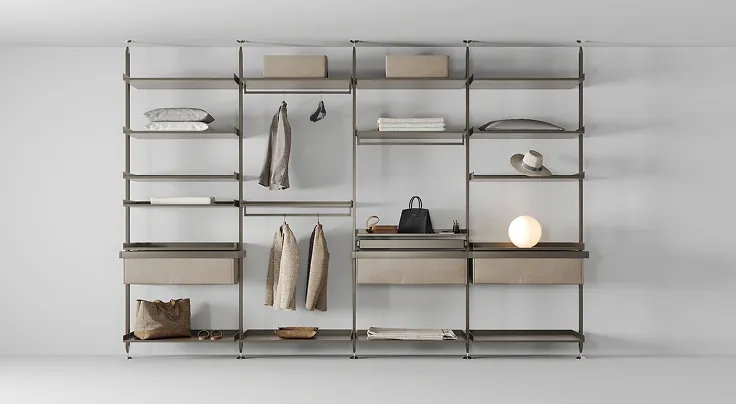
- Walk-in closets: Pocket doors preserve visible wall space.
- Bedrooms: Both systems work, depending on privacy requirements.
- Home offices: Acoustic performance should influence selection.
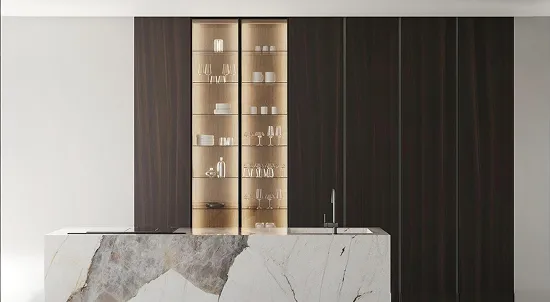
- Kitchens: Check clearances, ventilation, and adjacent cabinetry.
- Living areas: Wider sliding configurations can connect adjoining spaces.
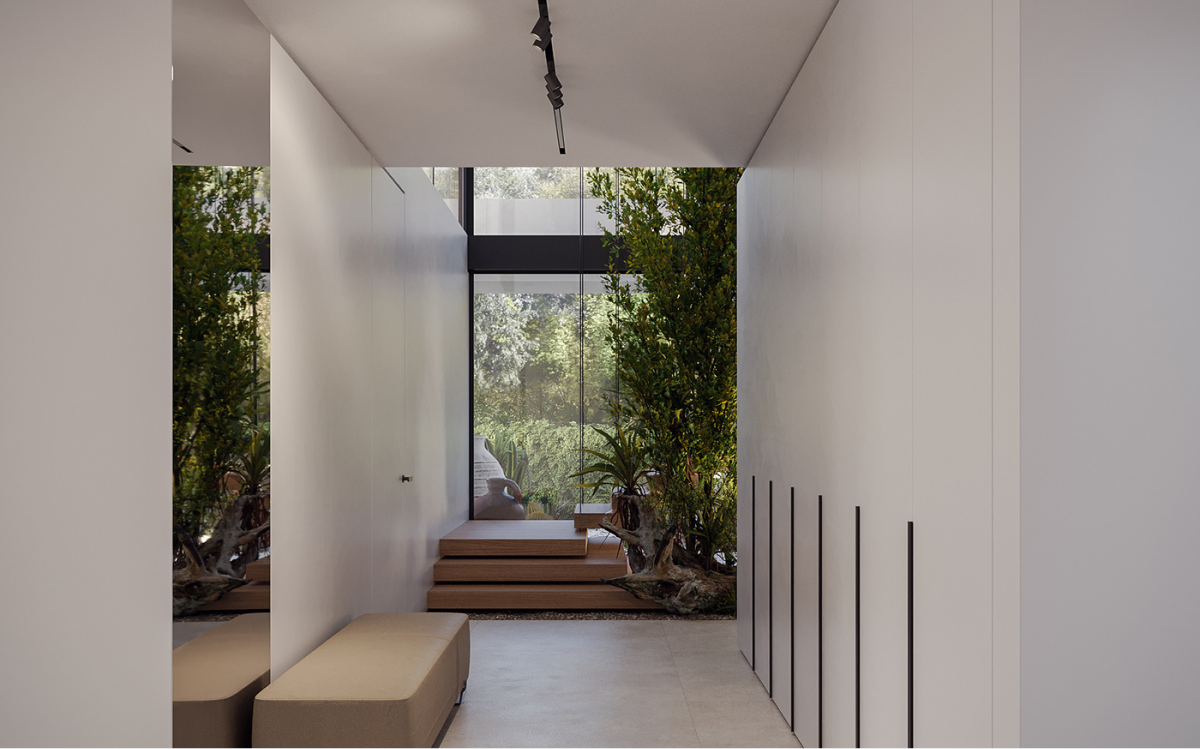
What Are the Installation Requirements for Pocket and Sliding Doors?
Installation often decides it. That’s especially true when you renovate an existing Dubai villa or apartment. A design that works in a new partition may not be practical inside an existing concrete wall.
Wall Cavity and Structural Requirements
Pocket doors need a cavity wide and deep enough for the whole door panel and its supporting mechanism.
The exact wall thickness depends on the system you pick. Don’t cut or change structural concrete walls without a proper engineering assessment and the necessary permissions. A new non-load-bearing partition may be more practical.
Electrical and Plumbing Coordination
The pocket cavity has to stay clear of services that could block the moving panel or interfere with the cassette.
Electrical switches, plumbing pipes, conduits, and other hidden installations may need to move. Surface-mounted sliding doors skip the internal cavity. They still need suitable track fixings and clear wall space.
Track, Hardware, and Installation Accuracy
Both systems depend on correctly rated rollers, tracks, guides and stops. Heavy timber or glass panels need hardware matched to their weight and size. Tracks must be level. Fixings must suit the supporting structure. Plan for maintenance access before you install.
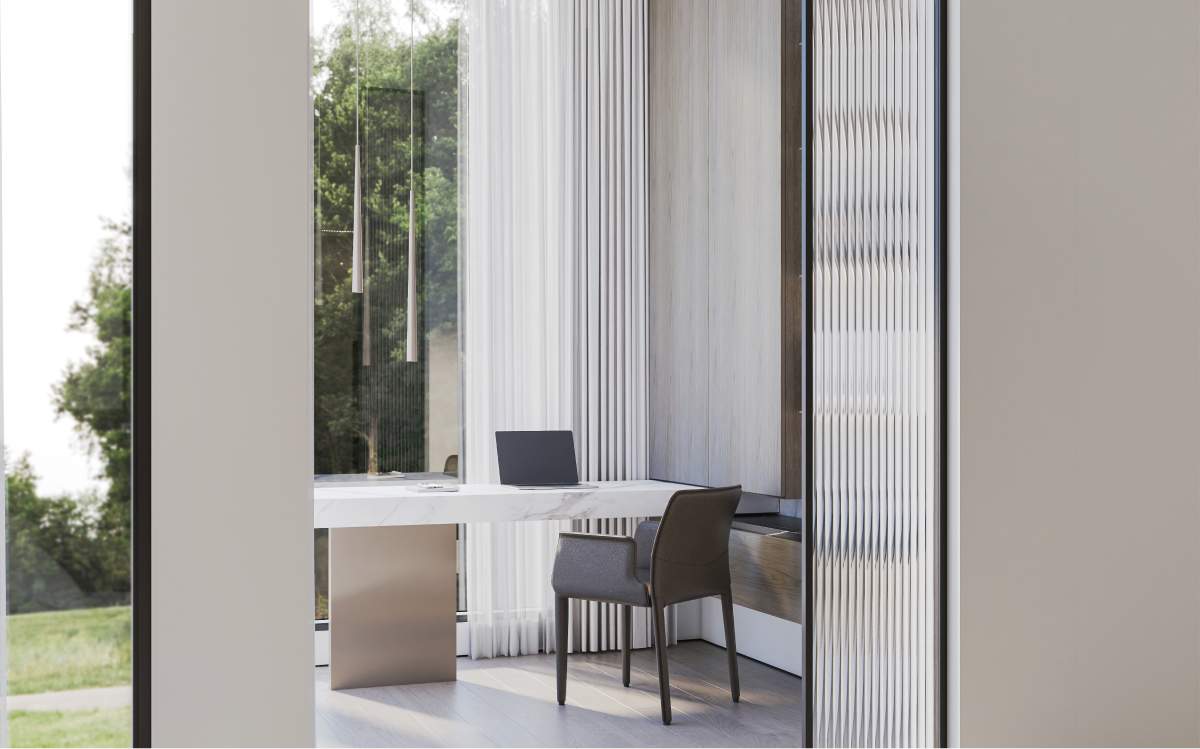
Which Performs Better for Privacy, Noise and Maintenance?
Don’t choose by looks alone. Bedroom doors, home offices and other private spaces need careful thought about sound separation, operation and long-term upkeep.
Acoustic and Privacy Performance
Standard sliding doors and pocket doors often block less sound than properly sealed hinged doors. Gaps can remain around the panel.
Performance depends on the whole assembly. That means seals, overlaps, panel construction and closing mechanisms. Don’t assume either sliding design is soundproof.
Cleaning and Hardware Maintenance
Surface-mounted tracks and rollers are generally easier to inspect and service, because you can reach the parts more easily.
Pocket systems can need more care during repairs, especially when components are hidden. Pick hardware with accessible or removable track parts. Future maintenance gets simpler.
Durability in Dubai Homes
Air-conditioned interiors, occasional humidity, and frequent use all affect material and hardware choices.
Specify stable door panels, corrosion-resistant hardware where it makes sense, and suitable protective finishes. Make timber-based panels and install them with allowances for dimensional movement.
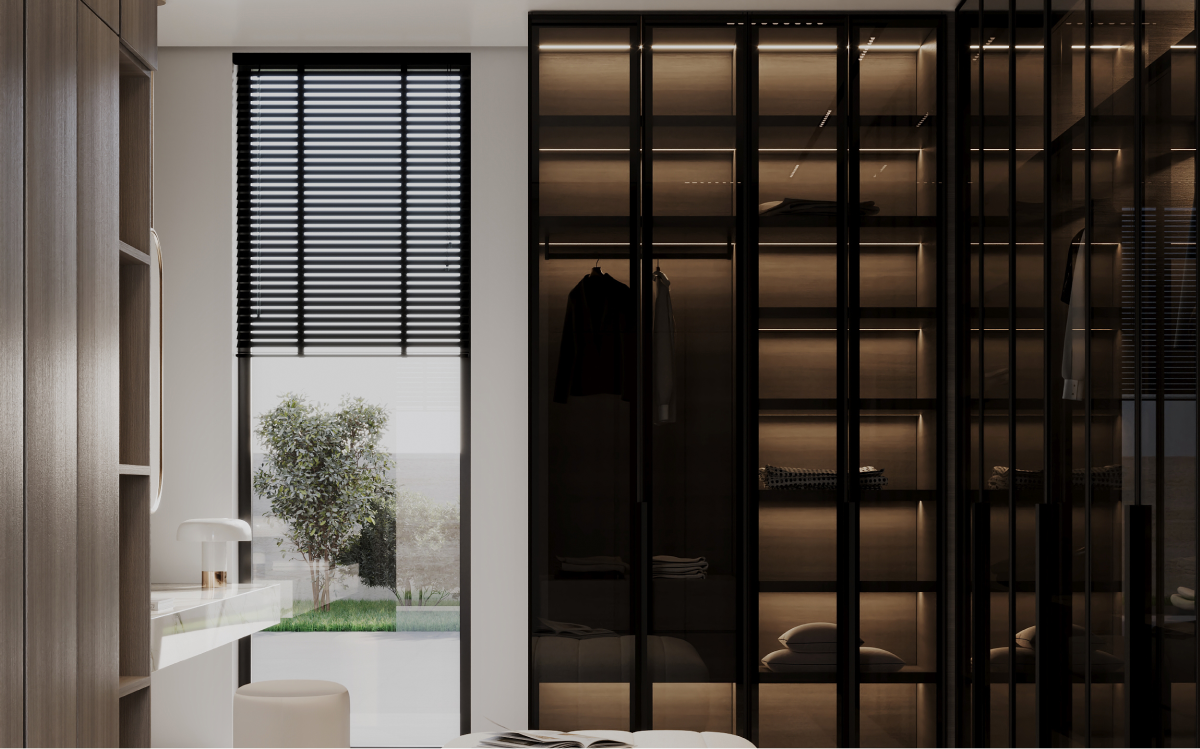
Pocket Doors vs Standard Sliding Doors: Key Differences and Best Applications
When Should You Choose Pocket Doors?
Pocket doors are ideal when you want concealed door panels, uninterrupted wall surfaces, and a minimalist appearance. They are particularly suitable for new partitions or renovations where sufficient wall cavity space is available.
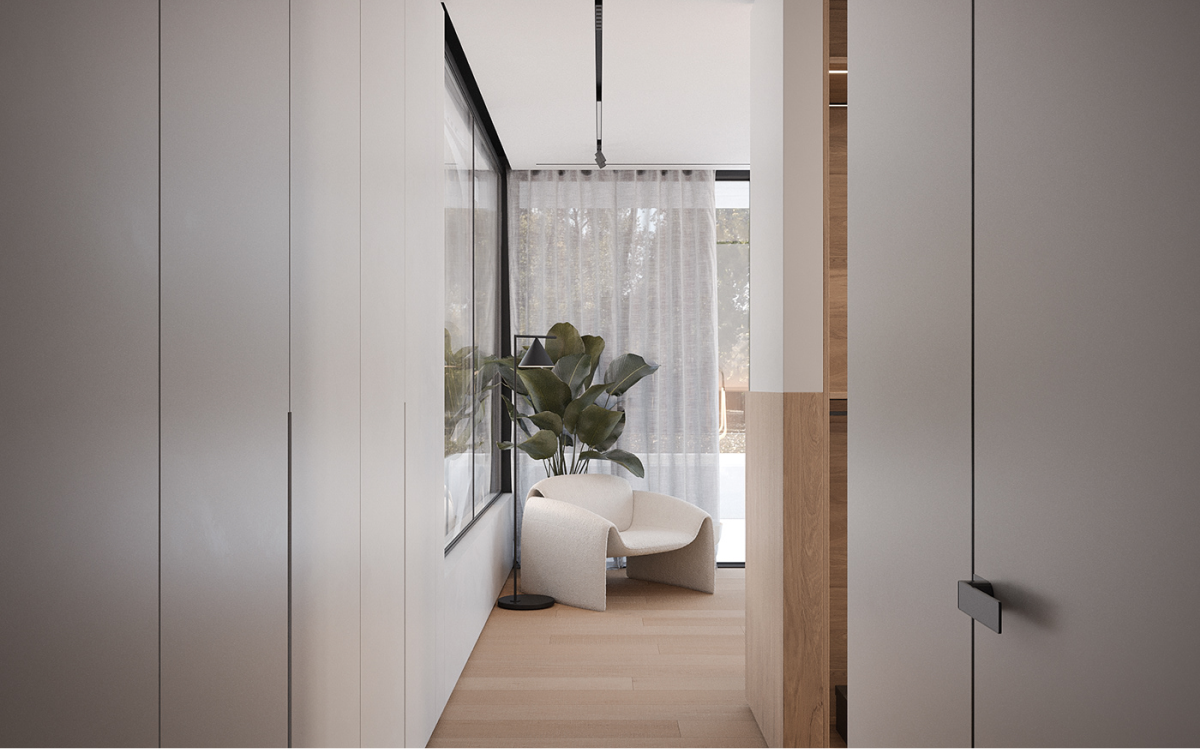
Are There Dubai Building Regulations to Consider?
Installing pocket doors or standard sliding doors in Dubai may involve building, accessibility, and fire-safety requirements. These depend on the property's classification, doorway location, and proposed modifications.
Door Width and Accessibility Requirements
The Dubai Building Code specifies minimum clear door widths and accessible operation requirements for applicable doorways. Sliding doors on accessible routes must also meet relevant maneuvering clearance and hardware requirements.
Fire Safety and Emergency Exit Restrictions
Pocket doors and standard sliding doors cannot automatically replace fire-rated or designated exit doors. Any replacement must comply with applicable UAE Fire and Life Safety Code requirements, including door operation, hardware, and fire-resistance ratings.
Developer Approvals and Structural Modifications
Changing existing door openings, removing partitions, or modifying structural walls may require developer NOCs and authority permits. Confirm the requirements with the relevant developer and building authority before starting renovation work.
Conclusion
The ideal door should suit your home’s architecture and work easily every day. You might prefer hidden pocket doors or statement sliding panels. Either way, precise detailing and expert installation make the difference.
Rayfitout specializes in luxury interior doors and bespoke joinery in Dubai. It makes custom pocket doors, concealed doors, and architectural door systems with refined finishes and precise craftsmanship.
Planning custom interior doors for your villa or apartment? Contact Rayfitout to explore bespoke door solutions designed around your space and your interior vision.