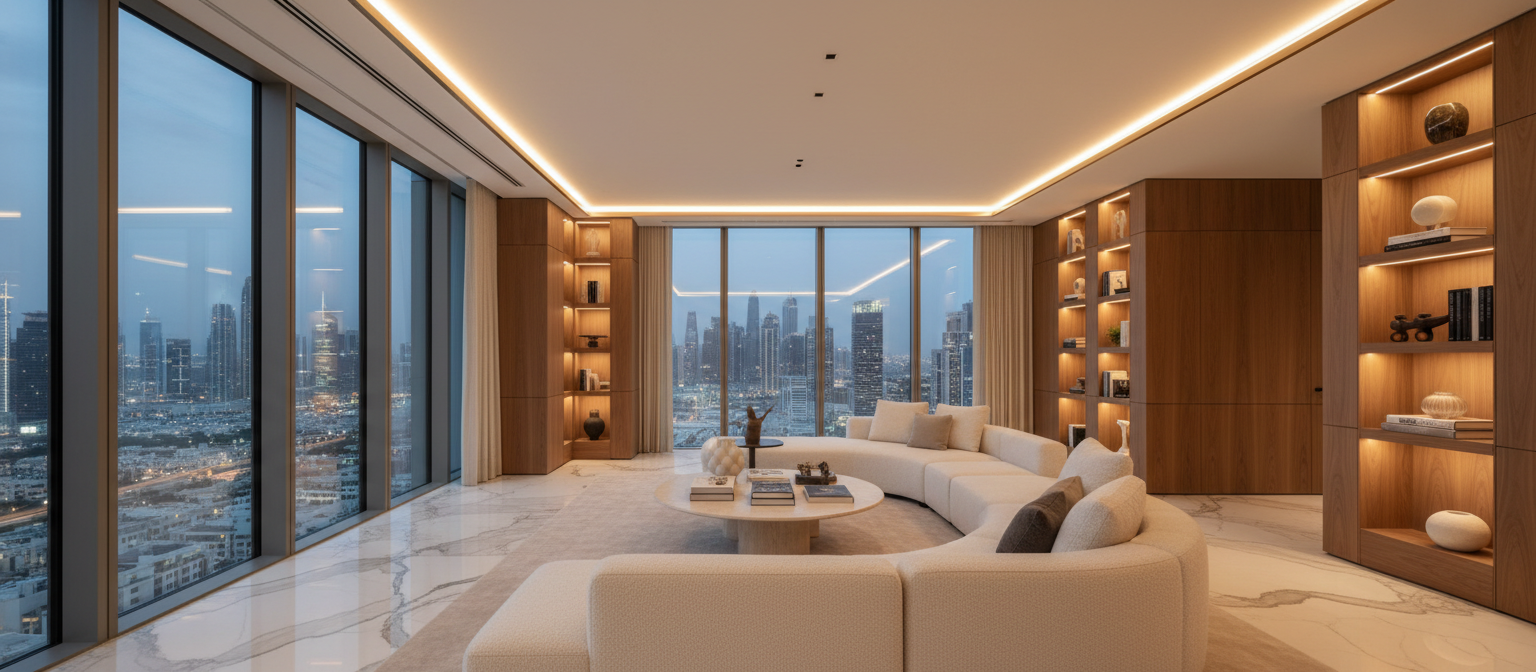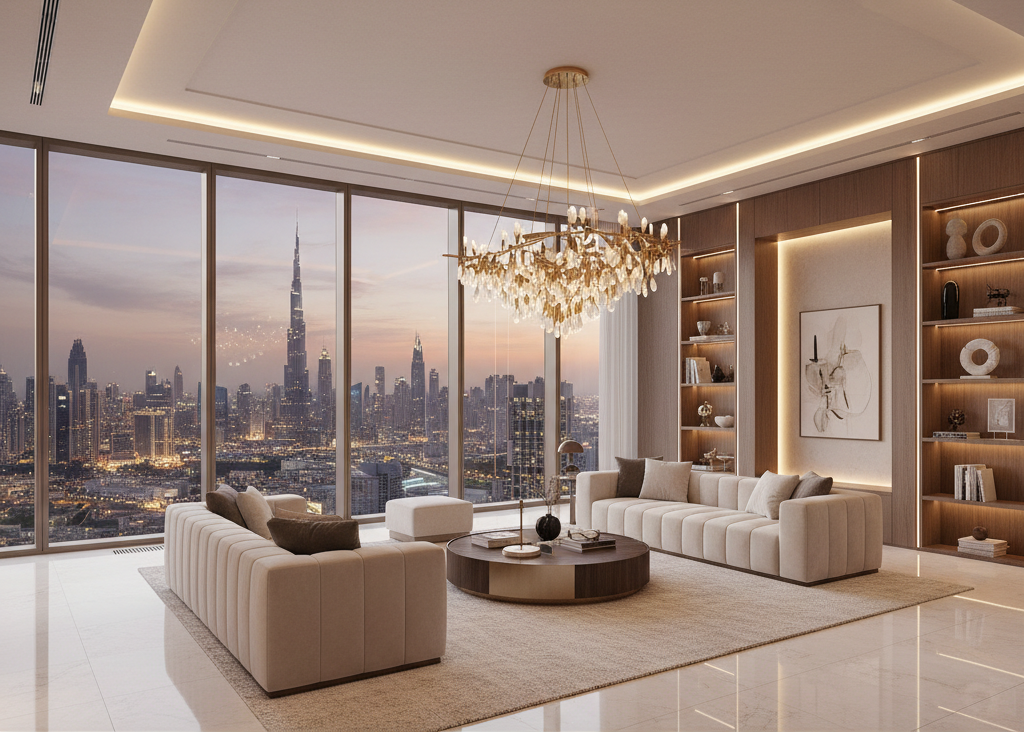

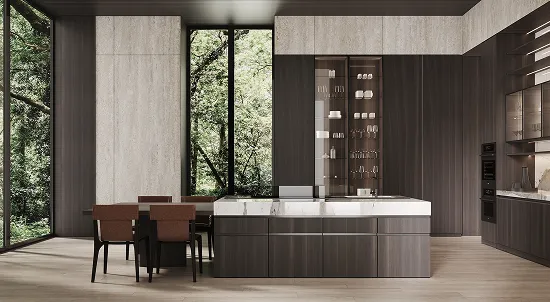
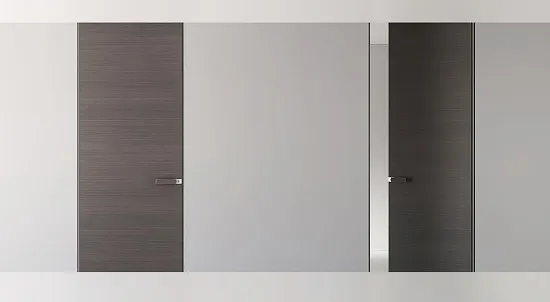
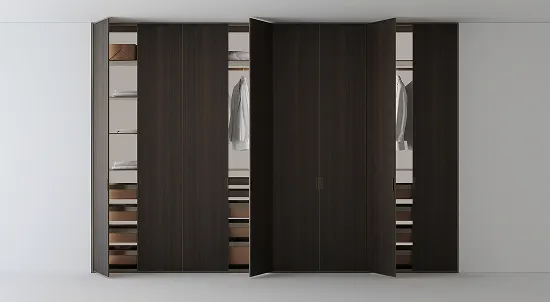
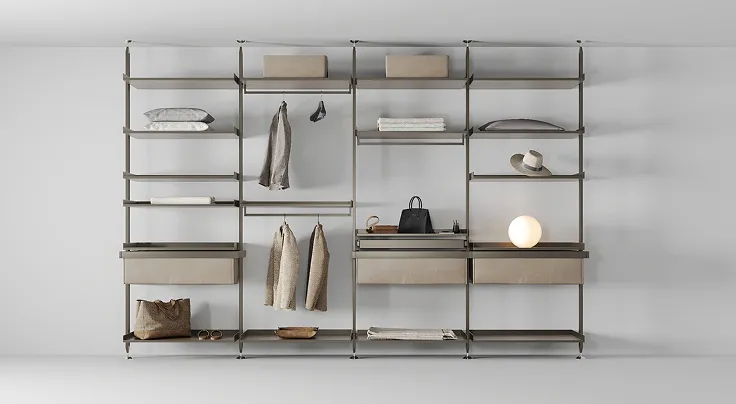
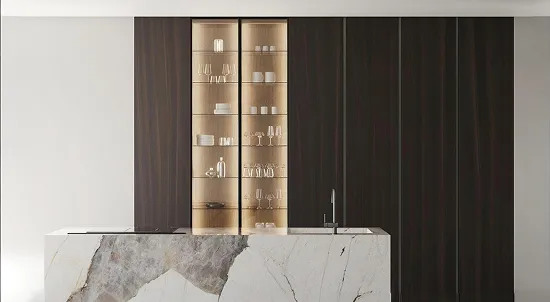



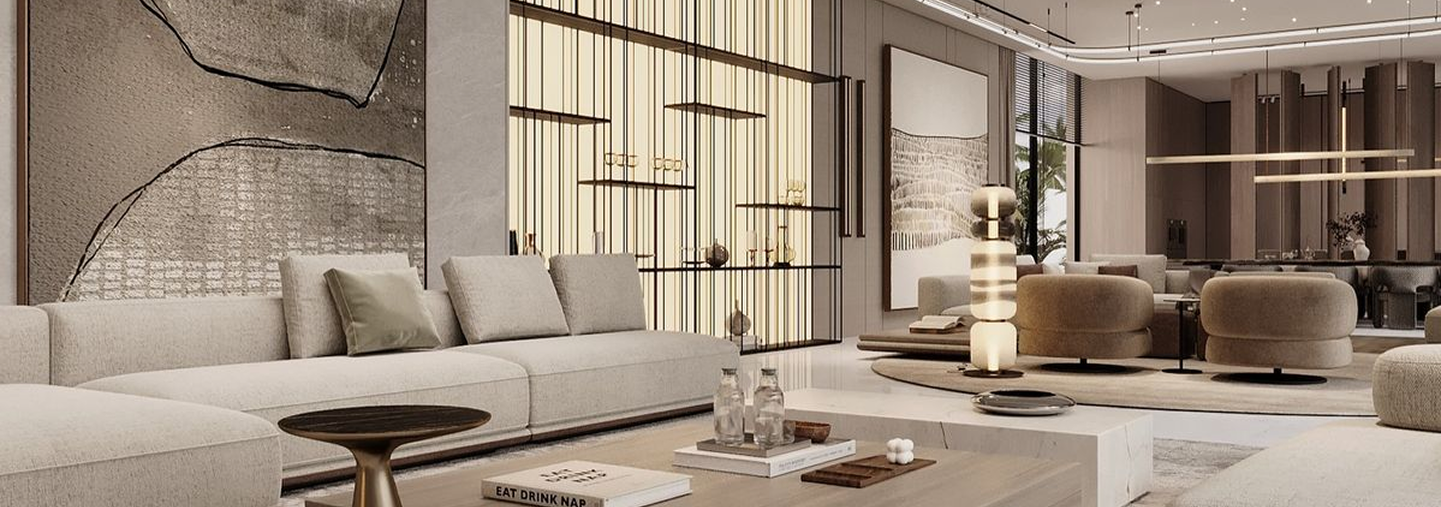
Interior design costs in Dubai can feel unclear at the start of a project. A single space can carry very different figures depending on how the work is defined. A design-only service focused on concepts and drawings is offered at a lower cost level than a turnkey interior design company in Dubai and a fit out arrangement involving bespoke joinery, procurement, construction, and project management under one contract. Fees typically range around AED 175 to 550 per sq ft for design-only services, with turnkey projects at AED 75 to 600+ per sq ft, and luxury bespoke homes reaching AED 800 to 1,000+ per sq ft.
This guide explains what drives these figures, the pricing models used in Dubai, typical property budgets, hidden costs that affect total spend, and the key points to review before selecting an interior design quotation.
Quick-Reference Pricing Table (2026)
| Project Type | Typical Cost (AED) | What's Typically Included |
|---|---|---|
| Design-only service | 175–550 per sq ft or 10–20% of project value | Concept design, layout planning, mood direction, technical drawings, material specification, interior visualization, basic site coordination |
| Turnkey interior fit out | 75–600+ per sq ft (luxury: 800–1,000+ per sq ft) | Full design execution, bespoke joinery, procurement, site works, MEP coordination, project management, authority approvals |
| Studio / 1-bedroom space | 10,000–80,000 | Light furnishing, limited joinery, flooring upgrades, basic kitchen and bathroom updates |
| 2-bedroom apartment | 100,000–200,000+ | Full interior works, kitchen and bathroom upgrades, lighting design, partial or full joinery |
| 3–5 bedroom villa | 80,000–250,000+ | Multi-room execution, kitchens, wardrobes, majlis areas, ceiling works, outdoor living elements |
| High-end bespoke villa | 1,000,000+ | Fully custom interiors, extensive joinery, imported materials, architectural modifications, smart home integration |
| Kitchen | 35,000–250,000+ | Cabinetry, stone worktops, appliance integration, plumbing adjustments, lighting |
| Bathroom | 5,000–150,000+ | Waterproofing, tiling, sanitaryware, lighting, vanity joinery, fittings |
Note: These figures are planning estimates. Your final investment depends on scope, level of customization, materials, approvals, and whether you're hiring a design-only studio or a turnkey fit out company.
.png)
Why Do Interior Design Fees Vary So Much?
Two spaces with the same area can give completely different budget levels. Pricing follows scope, material depth, and execution demands rather than square footage alone.
- Design-only vs Turnkey Projects: Design-only services focus on concept development, space planning, technical drawings, material specification, and site coordination during execution. Deliverables define layout direction, room flow, construction detailing, and finish selections prepared for contractor execution. Turnkey delivery includes full project execution, including bespoke joinery production, procurement, construction works, installation of all components, and complete site management under one contract.
- Property Type: Apartments follow fixed layouts with defined room structures and controlled joinery scope. Villas include majlis areas, master suites, kitchens, outdoor living spaces, and full-scale joinery systems across multiple rooms. Commercial spaces operate around functional planning and regulatory requirements. Villas carry higher cost variation due to expanded spatial demands and joinery density.
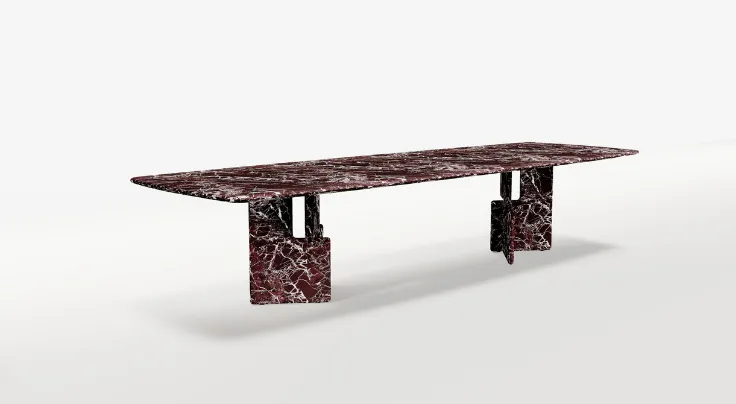
- Materials and Finishes: Laminate surfaces follow factory production standards with fixed patterns and finishes. Ceramic tiles rely on batch manufacturing with standard sizing. Ready-made furniture arrives pre-built with fixed configurations. Marble requires quarry extraction, slab selection, cutting, and finishing. Imported stone introduces shipping and handling requirements. Designer lighting relies on branded components and specification-driven sourcing. Bespoke joinery involves fabrication based on drawings, covering kitchens, wardrobes, wall systems, and built-in storage.
- Structural Work and MEP: Plumbing modifications involve rerouting water lines and pressure testing systems. Electrical modifications require rewiring, load assessment, and distribution updates. Ceiling works involve framing and service integration. Wall removal requires engineering review and reinstatement planning. Dubai Municipality approvals involve submission drawings, inspections, and compliance clearance before site activity proceeds.
- Experience of the Design Firm: Boutique studios direct concept development and design direction with limited execution responsibility. Turnkey design firms manage design, procurement, fabrication, construction, and installation under one contract. In-house production teams handle joinery, carpentry, and site execution without external subcontract layers, maintaining direct control over output and delivery.
- Community Requirements: Developments such as Emaar, Nakheel, and DAMAC require design submissions and contractor documentation before approval. Material specifications, drawings, and execution plans undergo review before site access approval. Approval cycles determine project commencement and define inspection checkpoints throughout execution.
Service Model Comparison
| Model | What It Includes | Best For | Cost Structure | Key Limitation |
|---|---|---|---|---|
| Design-Only | Concepts, layouts, drawings, material selection, technical documentation | Owners managing their own contractors | Fixed fee or % of project value | Execution handled separately, less control on site delivery |
| Turnkey | Full design, joinery, procurement, construction, installation, and project management | End-to-end delivery with single responsibility | Per sq ft or total project value | Higher upfront cost but full accountability |
| Hybrid Approach | Design + partial execution (e.g., joinery or procurement only) | Owners who want control but need support in key areas | Mixed pricing model | Coordination still shared between multiple parties |
Do Interior Designers in Dubai Charge Per Square Foot?
Yes. Per-square-foot pricing is commonly used in Dubai interior design quotations. It serves as an initial reference for budgeting, though it never represents the full project cost on its own. Understanding how this figure is structured helps make sense of the wider pricing models used across different types of interior projects. Once this baseline is understood, the main pricing models used across interior projects become easier to interpret.
- Per sq ft: Per-square-foot pricing applies to residential interiors and includes either design services or full execution depending on the contract scope. Design-only agreements use this model for concept development, drawings, and material specification. Turnkey agreements apply it across full delivery, including joinery, procurement, construction works, installation, and site management under one contract.
- Percentage of project: Percentage-based pricing applies to villa and commercial interiors. The fee is calculated as a share of total project value, aligned with overall scope, material selection, and execution depth. Larger project budgets directly influence the final fee under this structure.
- Fixed fee: Fixed fee pricing applies to smaller homes or clearly defined scopes. The fee is agreed at the start based on a set list of deliverables such as concept design, drawings, and selected specifications. Scope changes require separate evaluation.
- Hourly: Hourly pricing applies to consultation-based services. It covers design advice, early-stage planning input, layout reviews, and material direction. Charges apply based on time allocated to advisory sessions rather than full project delivery.
Now that you understand how interior designers structure their fees, the next question is how those pricing models translate into real-world interior design project budgets. The following section breaks down typical costs by property type, with a particular focus on villas, where scope, joinery, and custom finishes have the greatest impact on the overall investment.
.png)
Interior Design Costs by Property Type in Dubai
Interior design costs in Dubai shift based on how a space is used and the level of detailing required. Apartments, villas, and commercial spaces follow different budget patterns driven by layout, joinery volume, and material selection.
Apartments
Studio apartments range between AED 10,000 and 80,000, covering compact layouts with limited joinery and focused furnishing. One-bedroom units range around AED 25,000 to 120,000, with added kitchen and storage requirements. Two-bedroom apartments extend from AED 100,000 to 200,000+, driven by additional bathrooms, wardrobes, and lighting scope. Kitchens and bathrooms carry a large share of apartment budgets due to fixed installations, plumbing, and finishes.
Villas
Villas carry a wider cost range due to scale and room diversity. Budget villa interiors range from AED 80,000 to 250,000, including surface updates, standard kitchens, and ready-made furniture. Mid-range projects range around AED 250,000 to 600,000, with custom kitchens, upgraded wardrobes, and refined lighting plans. Luxury turnkey villas extend from AED 600,000 to 2,000,000+, including full joinery systems, premium stone finishes, and complete spatial planning. Ultra-luxury villas exceed AED 2,000,000, driven by imported materials, architectural detailing, and integrated systems.
Commercial Spaces
Office interiors range between AED 280 and 1,100 per sq ft, depending on specification and fit out level. Retail spaces range from AED 350 to 1,200 per sq ft, driven by display systems and lighting design. Restaurant interiors range around AED 400 to 1,500+ per sq ft, influenced by kitchen integration, seating layout, and compliance requirements. Residential projects remain the primary reference point due to higher variability in joinery and finish selection.
Renovation vs New Property: Which Costs More?
Renovating an existing property often costs more than designing a newly handed-over home, even when the spaces are similar in size. Renovation budgets typically include demolition, removal of existing finishes, repairs, waste disposal, and modifications to plumbing, electrical, or HVAC systems before new interior work can begin. Older properties may also reveal hidden issues such as damaged waterproofing, uneven walls, or outdated services that require additional work during execution.
New properties usually start with a clean shell, allowing design and fit out work to proceed without demolition or major remedial works. While both project types depend on materials, joinery, and level of customisation, renovation projects generally carry a larger contingency budget to account for unforeseen site conditions discovered after work begins.
Room-by-Room Interior Design Costs
Interior design budgets shift significantly across rooms due to differences in plumbing, joinery, and material intensity. Kitchens and bathrooms carry higher technical demands, while living areas and bedrooms rely more on finishes and furniture selection.
- Kitchen: Basic refresh ranges AED 15,000 to 40,000, covering surface updates, minor cabinetry adjustments, and fixture replacements. Mid-range kitchen works range from AED 80,000 to 150,000, including custom joinery, stone countertops, and integrated appliances. Luxury kitchen projects exceed AED 150,000 to 250,000+, with premium materials, full-height cabinetry, and bespoke detailing. Joinery forms the largest share of kitchen costs, covering cabinetry, storage systems, and built-in appliance housing.
- Bathroom: Cosmetic upgrades range from AED 5,000 to 25,000, covering fixtures, re-grouting, and surface refinements without layout changes. Full bathroom works range from AED 25,000 to 60,000, including waterproofing, tiling, plumbing adjustments, and sanitaryware replacement. Luxury bathrooms exceed AED 60,000 to 150,000+, driven by stone finishes, custom vanities, and high-end fittings. Waterproofing remains a critical requirement due to long-term moisture protection and structural integrity.
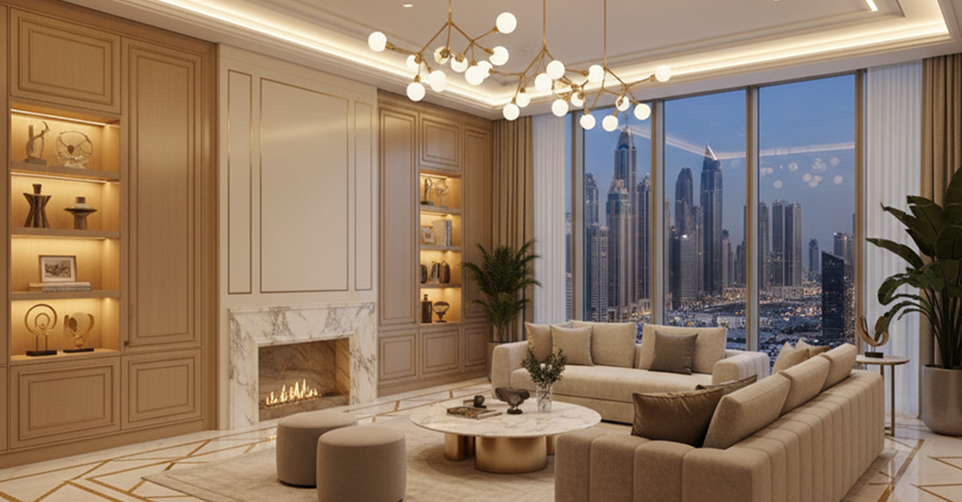
- Living Room: Living room budgets range widely based on finish selection and furnishing depth. Flooring works, lighting plans, furniture selection, TV feature walls, and custom shelving define overall cost distribution. Feature walls and integrated storage systems carry higher material and fabrication weight due to bespoke detailing.
- Bedroom: Bedroom costs revolve around wardrobes, dressing areas, headboard walls, and lighting layouts. Built-in wardrobes and dressing systems form the primary cost drivers due to fabrication scale and material choice. Headboard designs and wall treatments influence overall room character and budget allocation.
What Hidden Costs Should You Budget For?
The advertised price rarely includes the full scope of interior work. Several cost layers sit outside initial quotations and influence the final investment once execution begins.
- Regulatory Costs: VAT at 5% applies to services and materials. Municipality approvals apply to structural and layout changes. Engineer approvals are required for structural or MEP works. Community NOCs are issued by developers or building management before site access. Inspection fees apply at different stages of execution.
- Scope Exclusions: Bespoke joinery such as kitchens, wardrobes, walk-in closets, and wall systems is often priced separately. Built-in furniture and custom storage fall outside basic scope in many quotations. Imported furniture and designer pieces carry separate procurement costs. Decorative lighting selections sit outside standard fittings. Smart home systems and automation packages require dedicated budgeting.
- Logistics: Temporary accommodation becomes necessary during full-property works. Furniture storage applies during phased execution. Shipping delays impact imported materials and delivery schedules. Extended lead times apply to custom furniture and selected finishes.
- After Completion: Snagging works address defects identified before final handover. Deep cleaning applies after installation and finishing works. Retention amounts remain held until the defect liability period concludes. Warranty terms define coverage for materials and workmanship.
- Payment Schedule Red Flags: Standard structures follow milestone-linked payments aligned with project progress. Large upfront payments without defined milestones, deliverables, or stage confirmations indicate reduced transparency and limited control over execution flow.
How Long Does an Interior Design Project Take?
Project timelines in Dubai depend on scope, approval cycles, material sourcing, and level of custom work involved. Each stage, from design development to handover, follows a structured sequence shaped by technical and procurement requirements.
Timeline Overview
- Cosmetic refresh: 2 - 4 weeks
- Apartment works: 4 - 10 weeks
- Villa works: 8 - 16 weeks
- Luxury villa projects: 12 - 24 weeks
What Extends Project Timelines?
Approvals from Dubai Municipality, developers, and building management influence project start and progression. Imported materials extend timelines due to shipping, customs clearance, and supplier lead times. Custom joinery adds fabrication, finishing, and installation stages. Structural modifications introduce engineering reviews and execution planning requirements. Design revisions during execution affect procurement schedules and site sequencing.
How to Reduce Interior Design Costs in Dubai?
Cost efficiency in interior design projects comes through decisions that control scope, material sourcing, and execution structure. Clear planning at early stages reduces unnecessary spend during delivery.
- Prioritise Kitchens and Bathrooms: Focus investment on kitchens and bathrooms, as these areas involve plumbing, joinery, and fixed installations. These rooms carry higher functional value and longer usage cycles, making them key budget allocations.
- Mix Custom Joinery with Ready-made Furniture: Use bespoke joinery for kitchens, wardrobes, and feature storage areas. Select ready-made furniture for secondary spaces to manage fabrication costs without affecting usability.
- Keep Existing Layouts Where Possible: Retain existing plumbing points, electrical layouts, and wall positions. Layout changes require approvals, engineering input, and additional construction works.
- Choose Local Alternatives to Imported Materials: Select locally available materials for flooring, stone, and finishes. Imported options introduce shipping costs, customs delays, and higher procurement charges. While locally sourced materials help optimize budgets, premium imported natural stone can be a worthwhile investment for luxury spaces. Discover how we select the world's best stones and marbles for luxury interiors in Dubai.
- Avoid Scope Creep: Maintain a fixed brief after design approval. Mid-project changes increase procurement adjustments, labour rescheduling, and material wastage.
- Order Materials Together: Consolidate procurement cycles to reduce repeated shipping, handling, and delivery charges. Coordinated ordering also reduces delays across trades.
- Work with One Turnkey Contractor: Use a single execution team for design, joinery, procurement, and site works. Fragmented contracts increase coordination gaps and overlapping costs.
- Request Itemised Quotations: Insist on detailed Bills of Quantities listing materials, labour, and finishes line by line. Itemised documentation allows clearer cost control across every stage.
What Should a Professional Interior Design Cost Quote Include?
A professional interior design quote defines scope, cost structure, and execution responsibility in measurable detail. It removes ambiguity across materials, labour, and delivery stages. A clear distinction exists between a quotation and a Bill of Quantities (BOQ).
A quotation presents a consolidated project value with summarized inclusions. A BOQ lists every element in measurable units such as square metres for tiling, linear metres for joinery, and unit counts for fixtures, along with unit rates and total amounts per line item. To understand this in more detail, read our guide on what a BOQ in interior design and construction is and how it works.
How to Evaluate an Interior Design Quotation in Dubai
| What to Expect | What to Avoid |
|---|---|
| Project scope defined per room, covering kitchens, bathrooms, bedrooms, and living areas | Lump-sum pricing with no breakdown of scope or deliverables |
| Material specifications listing brand, finish, thickness, and origin (local or imported) | Missing material details, allowing substitutions without approval |
| Quantities stated in square metres, linear metres, and unit counts for fixtures and lighting | No measurable units, making cost verification impossible |
| Labour divided by trade: carpentry, electrical, plumbing, tiling, and painting | Labour bundled into a single figure with no trade separation |
| Waterproofing details including system type, application layers, and wet area coverage | Waterproofing not specified or merged into general tiling scope |
| Joinery scope covering kitchens, wardrobes, TV units, and storage systems with material specification | Joinery excluded from base quote or left undefined in scope |
| Payment schedule linked to clear milestones such as design approval, procurement, and handover | Large upfront payments without milestone-based structure |
| Timeline broken into design, approvals, procurement, and execution phases | No defined schedule or missing phase breakdown |
| Warranty terms stated per trade with duration and coverage details | Warranty missing or described in vague terms without duration |
| Permit responsibility assigned for Dubai Municipality, developer NOCs, and inspections | Permit process not assigned, causing unclear accountability |
| Exclusions clearly listed, including furniture, appliances, lighting, and smart systems | Exclusions not mentioned, creating hidden cost exposure later |
Get an Accurate Interior Design Quote
Published price ranges offer direction for early planning, yet final project cost depends on defined scope, selected finishes, and level of customisation across joinery, materials, and execution detail. A precise quotation follows a review of drawings, specifications, and site conditions, accompanied by a structured Bill of Quantities that defines each cost element in detail.
Rayfitout operates as a turnkey interior design and fit out firm under a single agreement, including concept development, execution, and delivery without fragmented responsibilities. Our in-house bespoke joinery workshop handles kitchens, wardrobes, and built-in systems with direct control over fabrication quality and detailing. We prepare transparent BOQs that list materials, quantities, labour, and installation costs at item level for full cost clarity. Our team manages authority approvals, including Dubai Municipality submissions and developer NOCs, supported through structured documentation and inspection stages. Dedicated project management handles sequencing, site coordination, and handover planning across all trades. A free consultation leads to a tailored quotation aligned with project scope and specifications.
Key Takeaways from this Interior Design Cost Guide
- Scope over area: Interior design costs depend on project scope, joinery volume, materials, and execution depth — not square footage.
- Pricing types: Design-only covers planning and documentation, while turnkey includes full execution, procurement, joinery, installation, and site delivery.
- Cost drivers: Bespoke joinery, premium materials, and structural works involving plumbing, electrical, or wall changes shape total spend.
- BOQ clarity: A detailed Bill of Quantities enables clear comparison through itemised materials, labour, quantities, and installation costs.
- Single contractor: One turnkey contractor reduces coordination layers, limits trade overlap, and improves cost transparency across execution stages.
Expert Tip: Comparing quotations based only on the total price can be misleading. Compare BOQs, material specifications, and quantities to understand the true value of each proposal.
Frequently Asked Questions
How much does interior design cost per square foot in 2026?↗
Interior design pricing in 2026 typically ranges from AED 80 to 250+ per sq. ft. for design-only services and AED 350 to 1,500+ per sq. ft. for turnkey interior design services in Dubai, depending on the project's scope, property type, material selection, and level of customization. Design-only covers concepts, space planning, and technical drawings, while turnkey execution includes joinery, materials, labour, installation, project management, and site coordination, resulting in a higher overall cost per square foot.
Is turnkey more expensive than hiring separate contractors?↗
Turnkey pricing can appear higher at the start since it covers design, procurement, joinery, construction, installation, and site management under one contract. Separate contractors may show lower individual quotes for each trade, though coordination gaps, repeated site revisions, and scope overlaps can increase overall spend during execution. Turnkey delivery keeps all stages under one scope with a single accountable team, giving clearer cost control across the full project.
What do interior design fees include?↗
Fees may include concept development, space planning, technical drawings, material selection, and site coordination. Full-service projects extend into joinery production, procurement, construction works, installation, and project management under one contract.
Why do interior design quotes vary so much?↗
Quotes differ due to joinery volume, material grade, structural changes, approval requirements, and level of detailing. Two spaces with identical size can carry different budgets due to variations in scope and finish selection.
What should I check in an interior design quotation before approving it?↗
A proper quotation should show scope per room, material specifications, quantities, labour breakdown, payment milestones, timeline, warranty terms, permit responsibility, and exclusions. A Bill of Quantities helps compare costs line by line across contractors.
Why do renovation projects cost more than new fit outs?↗
Renovation projects often cost more because they involve demolition, repairs, and upgrades to existing plumbing, electrical, or structural elements before new interior work can begin. They also carry a higher risk of unforeseen site conditions, making budgets less predictable than new fit out projects.

.png)