

Two tiles can look almost identical in a showroom. Years later, one continues to reflect the quality of the home, while the other reveals the cost of choosing based only on appearance. Stains, chips, faded colour, or lifting edges can appear when a material is not suited to the conditions inside a Dubai home. The decision rarely comes down to appearance alone. Long-term performance depends on choosing materials that can handle the demands of daily living.
This guide looks at material selection through three practical factors: cost, durability, and care. Instead of presenting a long list of products, it explains how to make informed decisions based on real-life performance. Heat, humidity, strong sunlight, and continuous air conditioning place unique demands on flooring, cabinetry, countertops, natural stone, and decorative finishes. These are the same considerations Rayfitout evaluates when recommending materials as an interior design company in Dubai, since climate has a lasting impact on durability, maintenance, and long-term value.
Why Material Selection Matters More in Dubai’s Climate
A material that performs well in another city may not deliver the same experience in Dubai. Daily life here places unique demands on interior finishes. Air conditioning keeps indoor spaces cool for long hours, yet stepping outside means intense heat and humid air. Over time, that repeated change can affect surfaces, edges, joints, and finishes in ways that are easy to overlook during the selection process.
Summer conditions make the decision even more important. Coastal parts of Dubai can experience relative humidity above 80%, making moisture a genuine consideration rather than an afterthought. Strong sunlight can fade colours, continuous air conditioning can dry out certain materials, and regular temperature changes around windows, doors, and terraces can gradually affect long-term performance. These four factors: humidity, indoor dryness, UV exposure, and temperature changes, appear throughout this guide because they influence how materials age, how much care they need, and how well they hold their appearance over time.
Can I Choose Materials Myself, or Does the Designer Decide?
Yes. Material selection is a decision you should be part of throughout the project. Many homeowners begin with a clear vision, saved inspiration, favourite finishes, a defined budget, or a list of priority spaces. Those preferences shape the overall direction and help narrow the choices to materials that fit your expectations.
A designer focuses on details that are difficult to judge during a showroom visit. This includes checking if a material suits Dubai’s climate, reviewing product specifications, assessing supplier quality, and identifying performance differences that may not be visible at first glance. The process should feel collaborative rather than restrictive. You remain involved in the final decision, with expert guidance that helps you avoid costly material choices that may look right today yet disappoint after years of daily use.
What Determines the Cost of Interior Materials in Dubai?
The price of interior materials depends on more than the product itself. A lower price tag does not always represent better value, and premium pricing does not automatically guarantee the right choice for your home. Several factors influence the final cost:
- Material type and origin: Natural stone, engineered surfaces, wood, and manufactured products come with different production and sourcing costs.
- Finish and format: Larger sizes, specialised finishes, textured surfaces, and custom details can increase the overall investment.
- Imported vs locally available: Imported options may include additional costs related to shipping, availability, and lead times.
- Labour complexity: Installation requirements, cutting methods, detailing, and finishing work affect the final project cost.
- Grade and certification: Higher-grade materials with verified specifications usually come with stronger performance standards.
Material pricing can vary widely depending on the selection. As a general reference, ceramic tiles may start around AED 25 per square metre, porcelain tiles around AED 40 per square metre, and premium marble selections can reach several hundred dirhams per square metre depending on origin, grade, and finish.
The material cost alone does not show the complete investment. Installation requirements can significantly influence the final budget, especially with natural stone. Marble installation may involve additional handling, cutting, sealing, and specialist workmanship, with labour costs running approximately 20 to 30% higher than standard tile installation. Looking at the full specification helps homeowners understand the true cost of their material choices.
Marble vs Porcelain: Which Should You Choose?
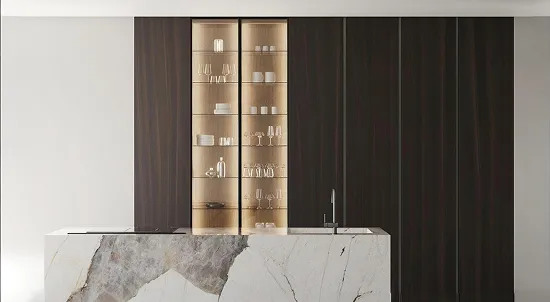
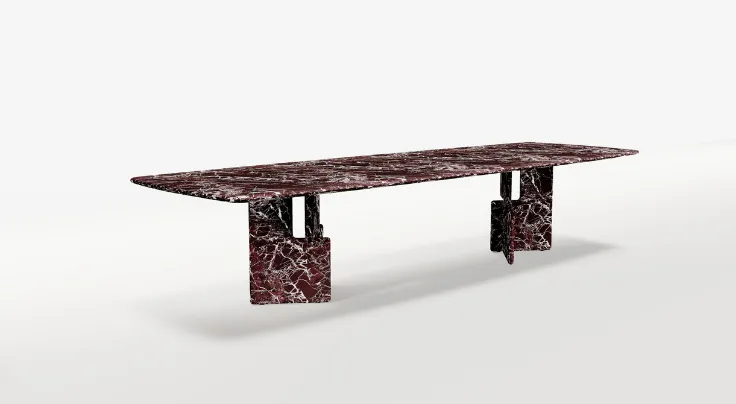
Marble has remained a preferred choice for generations, largely because no two slabs share the same veining. That natural variation gives the material a distinctive character that manufactured surfaces cannot replicate. For homeowners who value natural materials and a one-of-a-kind look, marble remains a timeless choice in residential interiors. Its distinctive character makes it a standout finish for entrances, feature walls, and master bathrooms. Porcelain appeals to homeowners looking for a surface that stays easy to maintain throughout daily life. Modern manufacturing has made marble-look porcelain remarkably convincing, alongside practical qualities such as very low water absorption and strong resistance to scratches and chips.
Choosing marble for a luxury interior involves more than selecting an attractive surface; factors such as stone origin, quality, veining, and finish influence the final result. Learn more about how we select the world’s best stones and marbles for luxury interiors in Dubai.
Your decision should include long-term care as much as appearance. Marble benefits from periodic resealing and cleaning with pH-neutral products to preserve its finish over the years. Porcelain does not require sealing and stays easy to maintain with regular cleaning. Thinking about maintenance before installation can prevent unnecessary upkeep later, especially in a home used every day.
Where Each Performs Best in a Dubai Home
Marble is well suited to spaces designed to make a lasting impression without constant daily use. A foyer interior design creates a memorable welcome, and a living room interior design feature wall gives the natural veining space to stand out as a defining detail. Porcelain is well-suited to kitchens, bathrooms, utility areas, and any surface exposed to regular foot traffic or frequent water contact.
Solid Wood vs MDF: What Actually Holds Up in Dubai Homes?
Solid wood and MDF are designed for different purposes, so the better choice depends on the application. Solid wood is a premium option that can last for decades with the right care. It can also be refinished, making it a good fit for furniture or feature pieces expected to stay in the home for many years. Since it is a natural material, proper sealing is important in Dubai’s climate. It also comes at a higher price, usually around 40–80% more than premium HMR MDF.
HMR (High Moisture Resistant) MDF is a popular choice for painted cabinetry because it stays stable in air-conditioned homes and creates smooth door fronts with clean routed details. Many homeowners assume MDF is unreliable after hearing stories about swelling or damaged cabinets. In many cases, the problem starts with low-quality boards rather than MDF itself. A simple question can make a big difference: ask if the core is HMR-rated instead of relying on the term “moisture resistant.”
Where Each Belongs in the Home
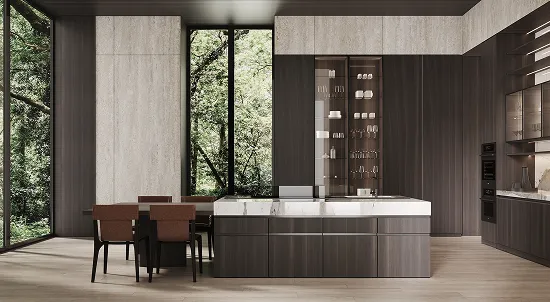
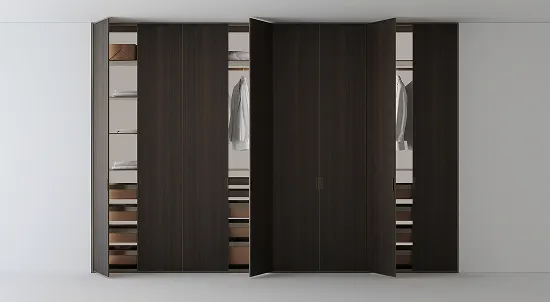
Solid wood suits dining tables, statement furniture, and pieces chosen with long-term use in mind. HMR MDF is widely selected for kitchen cabinets, painted built-ins, curved cabinetry, and custom detailing. Projects that involve intricate cabinetry are usually completed by a bespoke joinery specialist rather than using standard off-the-shelf units. It is also widely used for wardrobes and built-in storage in bedroom interior design, giving a clean fitted appearance that works well in contemporary homes. Standard MDF should stay out of bathrooms, laundry rooms, and any area exposed to direct water.
Which Interior Materials Are Easy to Maintain?
Choosing a material is about more than its appearance on installation day. The real test comes after years of daily use, regular cleaning, and exposure to Dubai’s climate. If low maintenance is a priority, a few materials consistently stand out for their ability to retain their appearance with minimal care.
Flooring - Low-Maintenance Options
Large-format rectified porcelain is one of the easiest flooring materials to live with, making it a dependable choice for most rooms. Its low water absorption, durable surface, and fewer grout lines help simplify everyday cleaning. It also performs well in busy households that experience regular foot traffic.
Homeowners who like the look of timber can consider wood-look porcelain. It captures the warmth of natural wood without the need for sanding, polishing, or periodic refinishing. Adding quality entry mats near entrances is another simple way to protect flooring. Fine sand carried in on shoes can gradually wear many surfaces over time, making this a practical step for Dubai homes.
Countertops and Surfaces
Porcelain has become a popular choice for countertops because it does not require sealing and resists heat, stains, and everyday spills. Quartz is another practical option, offering easy maintenance with a wide range of colours and finishes. Natural stone, including marble, remains a premium choice for homeowners who appreciate its distinctive character, though it benefits from periodic sealing and more careful cleaning to preserve its surface.
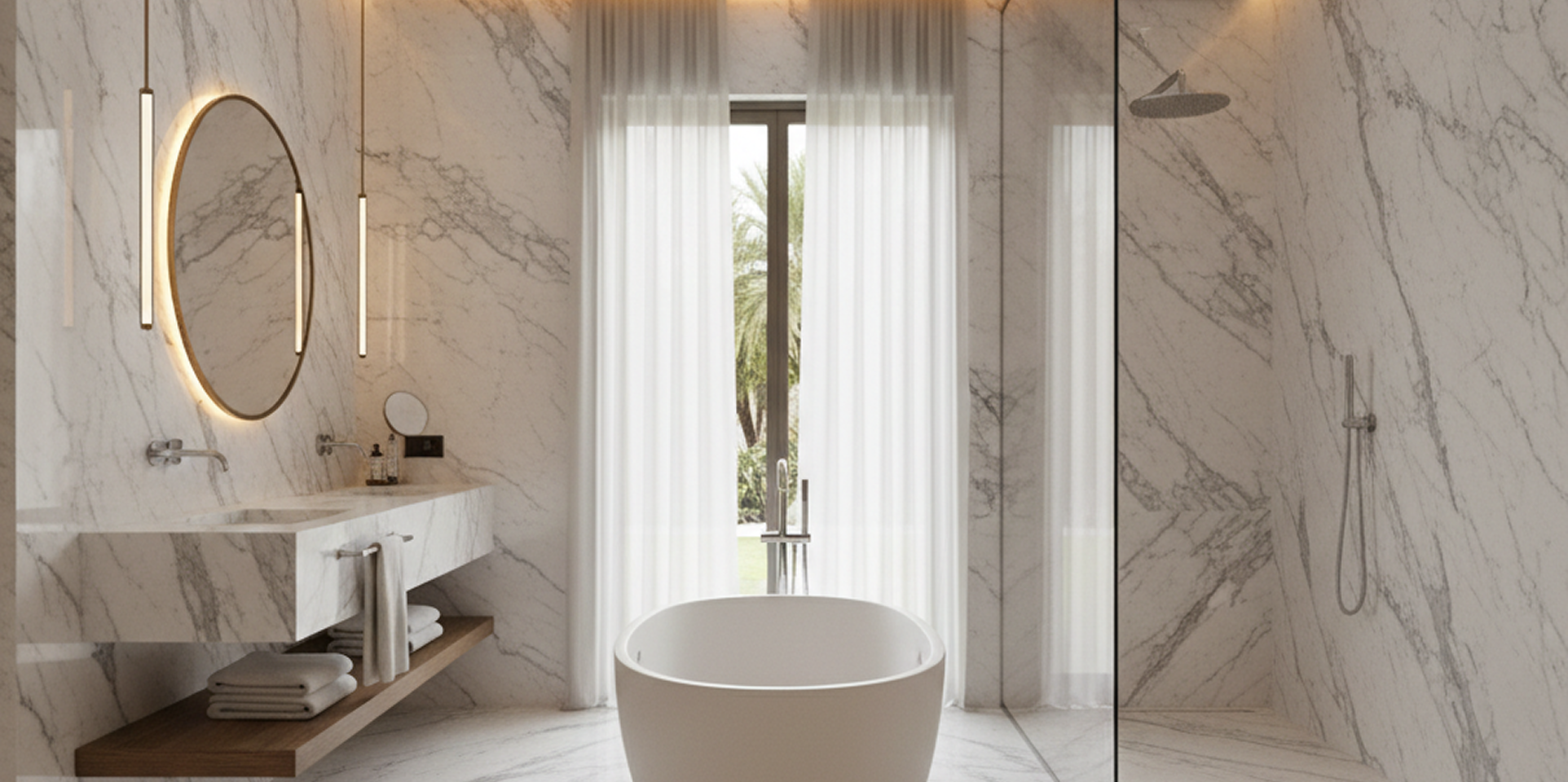
This is especially worth considering in a bathroom interior design, as daily water exposure makes maintenance requirements more noticeable over time. Choosing a surface that suits your routine can make daily care much simpler for years ahead.
Cabinetry and Joinery Finishes
Cabinetry is one of the hardest-working elements in any home, making the finish an important decision. HMR MDF finished with high-quality lacquer or laminate remains a practical choice for kitchens and wardrobes because it is easy to maintain and performs well in air-conditioned interiors. Solid wood suits homeowners who appreciate natural grain and are comfortable with occasional refinishing to keep it looking its best.
The hardware deserves attention as well. Soft-close hinges paired with powder-coated or stainless-steel fittings offer better resistance to moisture, helping maintain smooth operation over time. In a kitchen interior design, the cabinetry finish usually receives more daily contact than almost any other surface, making durability and ease of maintenance worth considering before installation.
The following guide provides a quick overview of common material choices and the level of care they require.
Which Materials Should I Avoid in a Family Home?
A family home experiences constant movement, daily use, and the occasional spill or knock. Some materials can still work beautifully in this setting, though they deserve careful planning before installation. The goal is not to rule out premium finishes. It is to place them in spaces that suit their long-term performance.
- High-gloss lacquer finishes: Fingerprints, smudges, and fine scratches become more visible with everyday use.
- Unsealed or poorly sealed natural stone in busy areas: The surface can absorb stains and develop marks that are difficult to remove.
- Standard (non-HMR) MDF near water: Moisture can cause exposed edges to swell and the panels to deteriorate over time.
- Light-coloured fabrics facing windows without UV protection: Strong sunlight can lead to noticeable fading within about 12 months.
“Avoid” does not mean a material lacks quality. It simply means the material may not suit a particular space without the right specification or protective treatment. Choosing the right material for the right room is one of the simplest ways to reduce maintenance, preserve appearance, and enjoy lasting value throughout your home.
Are Imported Materials Better Than Locally Available Ones?
Not necessarily. An imported material is not automatically a better material. The way it is made, its quality, and its suitability for Dubai’s climate have a far greater impact on long-term performance than the country it comes from. Imported products also carry additional costs, including shipping, import duty, and VAT, so the final price can be much closer to a high-quality local option than many homeowners expect. Delivery is another consideration, with many imported materials taking four to eight weeks to arrive, depending on the supplier and country of origin.
Imported materials remain a good choice for bespoke furniture, distinctive natural stone, or finishes that are unavailable in the local market. Locally available options make it easier to source matching pieces in the future and simplify warranty claims if replacements are ever needed. This becomes especially important during a villa renovation, since a delayed shipment can affect the completion of the entire project. An experienced interior designer in Dubai can also identify materials that offer genuine quality, helping you invest in long-term performance instead of paying a premium simply because a product carries an imported label.
How Do I Compare Similar-Looking Materials at Different Prices?
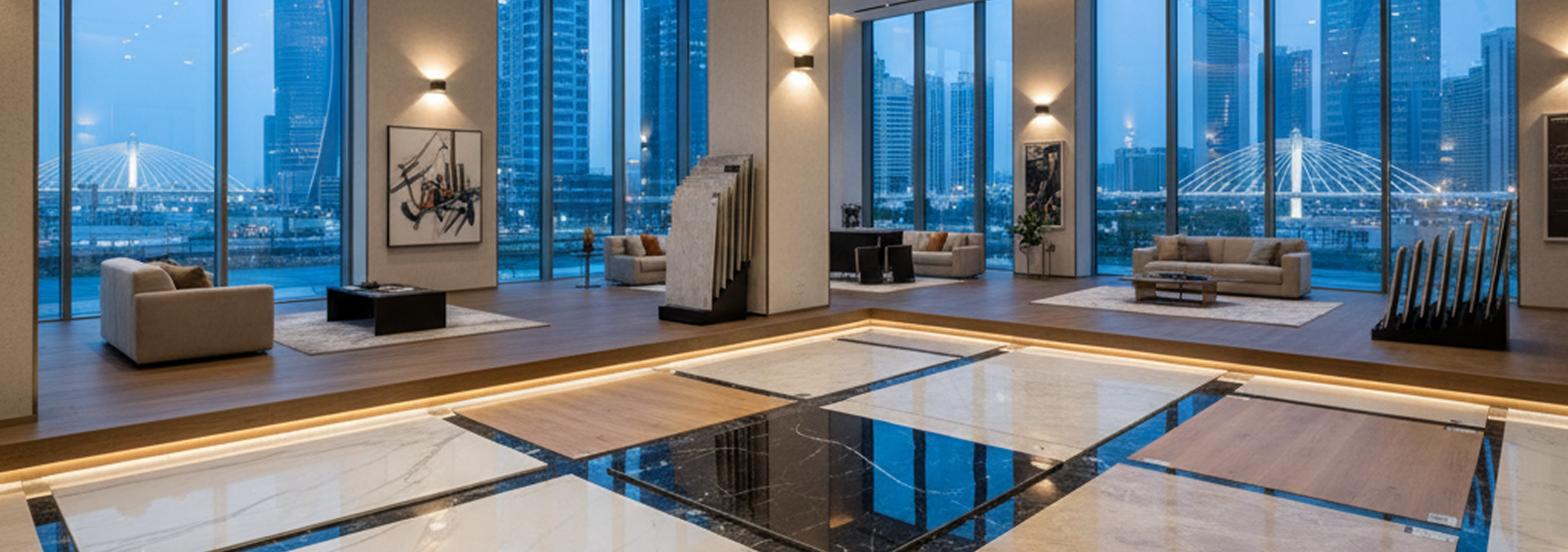
Two materials can look almost identical in a showroom and deliver very different results after years of use. A sample can show the colour, texture, and finish, yet it cannot reveal how a material will handle moisture, cleaning, sunlight, or daily wear inside your home. This is why choosing materials based only on appearance or price can lead to unexpected maintenance later.
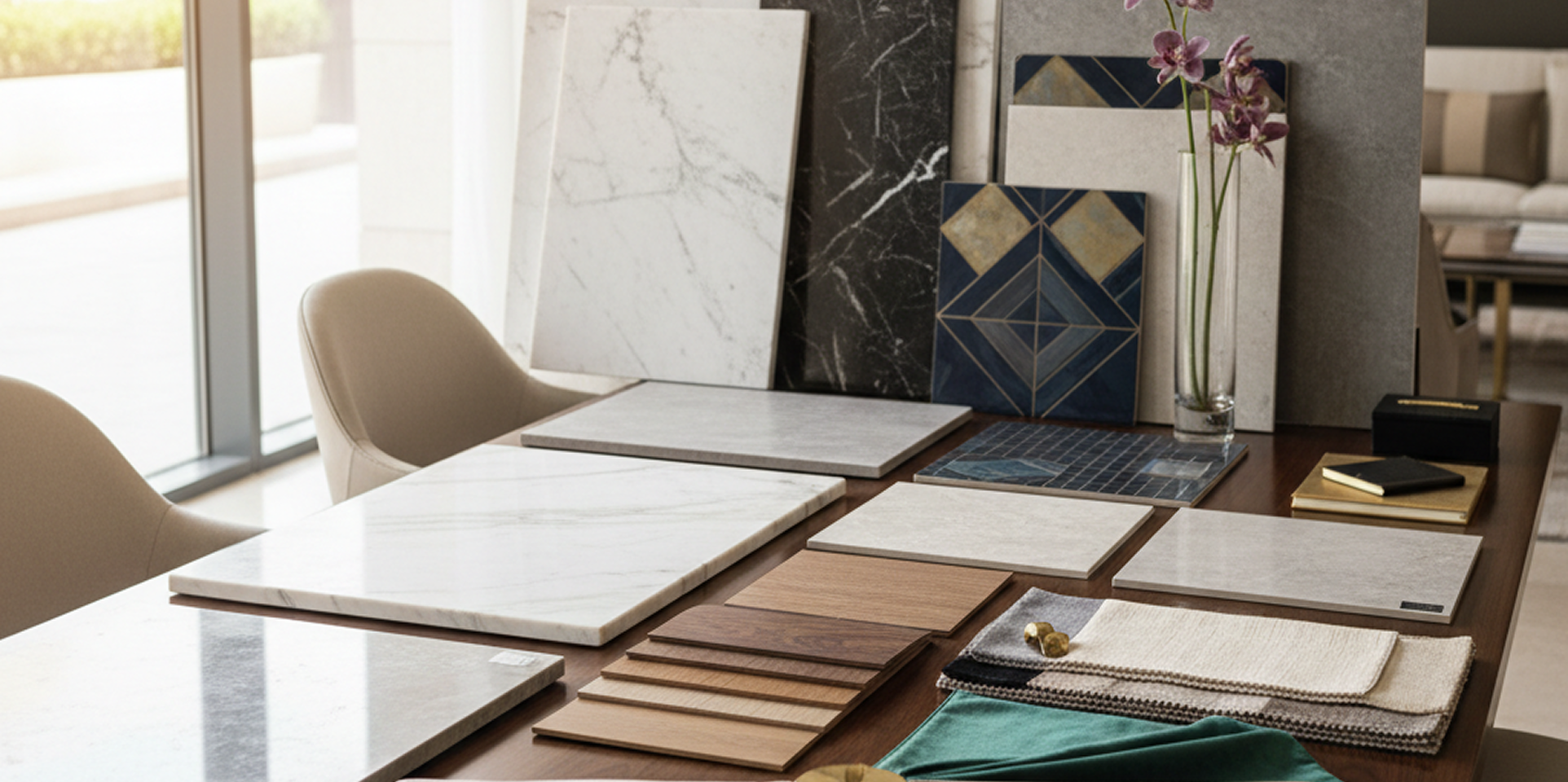
Before making a final decision, look beyond the sample and ask suppliers for product details. Tile choices should be reviewed for factors such as water absorption and durability ratings, while cabinetry materials should come with clear information about the board quality and finish. Stone should have proper grading details, and furniture labels should be checked carefully since some pieces may feature solid wood on visible sections with MDF used internally. This is not automatically a concern, though the construction should always be clear before purchase. A good specification sheet reveals how a material is made and how it is expected to perform, helping you choose with confidence.
Quick Material Selection Guide
Choosing materials becomes easier when you start with your main priority. The right option depends on your budget, the level of maintenance you prefer, and how the space will be used. This quick guide can help narrow down the choices before looking into specific finishes and specifications.
These recommendations provide a starting point for material selection. The final choice should consider the room’s purpose, expected daily use, and the environmental conditions inside your Dubai home.
Will the Designer Help Me Select Materials?
Yes. Material selection is a core part of the interior design process, not an extra service added at the end. A designer helps you make decisions with a clear understanding of your vision, budget, lifestyle, and the practical demands of your home. Instead of evaluating materials separately, you receive a considered selection that works across flooring, cabinetry, surfaces, and finishes throughout the space.
A designer brings structure to the material selection process, combining your preferences with product knowledge, trusted supplier access, and technical evaluation. Certifications, HMR grades, tile performance ratings, and finish quality can be reviewed before options reach you. Samples can then be shortlisted across rooms, helping flooring, cabinetry, surfaces, and finishes create a considered look throughout the home.
Your preferences remain at the centre of the process. A good designer does not remove choice; they refine it by presenting options that fit your brief and expectations. This is one of the key advantages of working with Rayfitout, a trusted interior design company in Dubai; from the first consultation, material decisions are guided by experience, giving you clarity throughout the selection process.
Making the Right Material Choice Before Installation
Material decisions deserve thoughtful attention because mistakes become expensive once installation begins. Replacing flooring, cabinetry, stone, or custom finishes after completion can involve additional labour, delays, and unnecessary project costs. A well-planned selection process helps prevent these issues before they reach the final stage.
Before making a decision, consider three key factors:
- Cost: Look beyond the initial price and consider installation, maintenance, and long-term value.
- Durability: Choose materials that can handle daily use and Dubai’s climate conditions, including humidity, sunlight, and temperature changes.
- Care: Understand the cleaning requirements and upkeep needed to maintain the material over time.
The right materials should suit your home, your lifestyle, and the conditions they will experience. Working with Rayfitout’s interior design team in Dubai gives you access to expert guidance, trusted suppliers, and carefully evaluated specifications designed around your home’s needs, lifestyle, and long-term performance.
Frequently Asked Questions
What is the best flooring material for a Dubai home?↗
Porcelain tiles are one of the most practical flooring choices for Dubai homes because they handle heat, humidity, frequent cleaning, and daily foot traffic well. Large-format porcelain also reduces grout lines, making maintenance easier. Homeowners looking for a warmer appearance can consider wood-look porcelain, which offers the visual appeal of timber with less upkeep.
Is marble a good choice for interiors in Dubai?↗
Yes, marble can be an excellent choice for Dubai interiors when it is selected for the right spaces and maintained properly. Its natural veining gives entrances, feature walls, and master bathrooms a distinctive character. Since marble requires periodic sealing and careful cleaning, it is best suited to homeowners who appreciate natural stone and are comfortable with its maintenance needs.
Is HMR MDF suitable for kitchens and wardrobes in Dubai?↗
HMR MDF is widely used for kitchens, wardrobes, and built-in cabinetry in Dubai homes because it performs well in air-conditioned interiors and provides a smooth surface for painted finishes. The key is choosing certified HMR boards with quality finishing. Standard MDF should be avoided in areas exposed to direct moisture.
Are imported interior materials better than local materials in Dubai?↗
Imported materials are not automatically better. Quality, specifications, supplier reliability, and suitability for Dubai’s climate have a greater impact on performance. Imported options can be valuable for unique stones, bespoke pieces, or finishes unavailable locally, while locally available materials can offer easier replacement and faster sourcing.
Should I choose interior materials myself or hire a designer?↗
Homeowners can be involved in selecting materials, though a designer helps make the process more informed. An interior designer evaluates factors such as climate suitability, supplier quality, material specifications, and long-term maintenance requirements. This guidance helps homeowners select finishes that match their vision while performing well over time.
How much should I budget for interior materials in a Dubai home?↗
The budget depends on your chosen materials, home size, finishes, and installation requirements. A realistic estimate should include not only material costs but also labour, maintenance, and long-term value.