

.png)
Hiring an interior designer is a significant financial decision. The real question isn't “What does an interior designer do?” It's “Will the investment pay off?” For homeowners, property investors, and landlords across Dubai, that question deserves a clear answer backed by measurable outcomes instead of assumptions.
A well-planned interior project influences resale value, rental appeal, project efficiency, and long-term property performance. The financial return depends on thoughtful planning, smart budget allocation, and decisions made before construction begins. This guide explores the numbers behind those outcomes, using Dubai market insights and practical examples to help you make an informed decision.
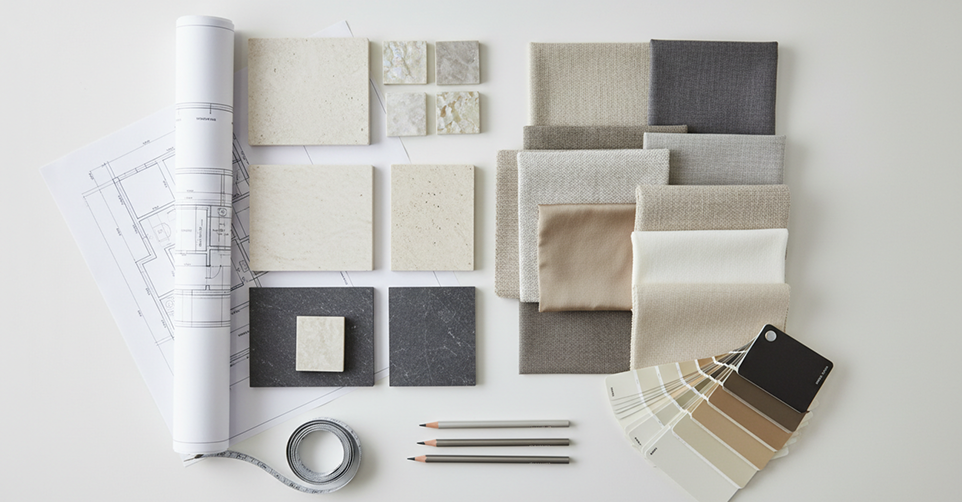
Signs It's Time to Hire an Interior Designer
Home renovation in Dubai carries moving parts that extend well beyond finishes. Layout planning, authority approvals, material selection, and contractor coordination shape outcomes long before construction begins. When a project moves beyond surface updates, consulting an interior design company in Dubai can bring structure to decisions that otherwise drift without direction. The signals below reflect moments where professional design input becomes practical rather than optional.
- Scope Extending Beyond Surface Changes: Projects involving multiple rooms, layout adjustments, lighting design, electrical updates, plumbing work, or bespoke joinery require early coordination. These elements depend on decisions made in sequence, not in isolation.
- Progress Cycling Without Direction: Pausing, restarting rooms, or revisiting the same choices for months often reflects decision fatigue. A structured design process replaces stalled planning with defined steps and clear outcomes.
- Ideas Without Technical Translation: Inspiration boards rarely translate directly into execution. Contractors rely on drawings, specifications, and material schedules to deliver accurate results on site.
- Property Carrying Investment Weight: Rental or resale intent shifts focus toward long-term performance. Layout efficiency, durability, storage planning, and material selection influence how a property performs in Dubai's market.
- Construction Demands Clear Direction Before Site Work: Material procurement, contractor sequencing, authority approvals, and installation planning require preparation before work begins. A complete design package reduces uncertainty once execution starts.
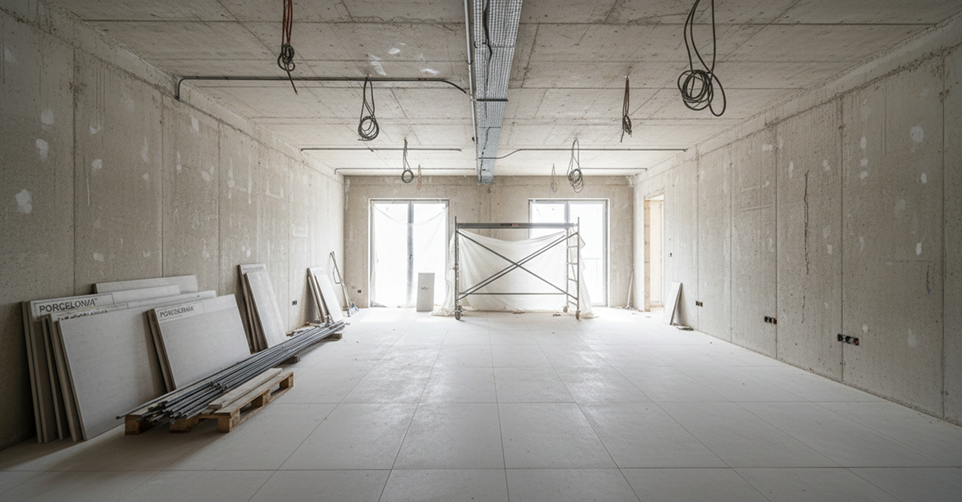
Is Hiring an Interior Designer Worth the Cost?
What “Worth It” Actually Means
Cost in a Dubai villa renovation does not sit as a standalone figure. A AED 200,000 apartment upgrade can return differently depending on how that budget is distributed across kitchens, bathrooms, lighting, and joinery. Value appears in resale pricing shifts, rental uplift, and reduced rework during construction. A poorly planned AED 120,000 project can underperform a well-directed AED 200,000 one if material choices, layout flow, and contractor sequencing are handled without structure. The comparison sits in return per dirham spent, not in spend versus zero outcome.
Designer, Decorator, or Architect?
A decorator selects paint colours, furniture pieces, curtains, and surface finishes. A designer prepares space plans, lighting layouts, electrical points, joinery drawings, kitchen configurations, and material schedules for execution. An architect handles structural changes such as wall removal, slab adjustments, and facade modifications requiring authority approval. In Dubai residential work, Rayfitout manages design development through technical drawings, joinery production drawings, procurement of materials such as marble, quartz, lighting systems, and full site coordination under one contract, removing separate coordination between multiple vendors.
How Trade Pricing and Supplier Access Affect Total Cost
Interior designers in Dubai source materials through trade channels rather than retail outlets. Carrara marble slabs, porcelain tile batches from Italy or Spain, custom German kitchen hardware, and branded lighting systems such as Delta Light or Flos are commonly priced through trade accounts. Joinery items such as wardrobes, walk-in closets, TV units, and kitchen cabinetry are manufactured in-house or through approved carpentry workshops at contracted rates. On a AED 300,000 villa fit out, procurement savings across stone, joinery, lighting, and appliances can offset a portion of the design fee depending on specification level and sourcing route.
The Real Cost: Time, Stress, and Endless Decision-Making
A typical 3-bedroom apartment renovation involves over 150 to 300 individual decisions, including lighting placement, socket positions, tile layouts, door hardware, paint codes, ceiling heights, and furniture sizing. Without structured coordination, homeowners revisit supplier showrooms multiple times, reselect materials after delivery mismatches, and adjust layouts during construction, leading to rework costs such as retiling bathrooms (AED 8,000–15,000 per room) or relocating electrical points (AED 200 per point on plan vs AED 1,500-2,000 post-installation). A design team handles sequencing, contractor instructions, and material approval cycles to prevent these repeat decisions during execution.
How Design Investment Connects to Property Value
Dubai property data shows well-designed interiors influencing resale premiums in the range of 10-25% in villas and high-end apartments, particularly in Palm Jumeirah, Downtown Dubai, and Emirates Hills. An AED 2.5M apartment with strong design execution can reach AED 250,000-600,000 higher resale positioning compared to similar units with basic finishes. Buyer behaviour in these segments often locks onto first impression factors such as kitchen layout quality, bathroom detailing, and lighting composition before financial justification enters the decision process.
The Hidden Cost of Skipping One: Rework, Delays & DIY Mistakes
What Underbudgeting Actually Costs
Budget gaps rarely appear during planning. They surface during execution. A villa renovation set at AED 150,000 often stretches into AED 180,000-195,000 once corrections, material changes, and site adjustments enter the picture. Industry reporting points 20-30% overruns in projects that proceed without structured design oversight. That range translates to AED 30,000-45,000 in additional spend on a mid-range villa project in Dubai. The real expense does not come from design fees. It comes from late-stage decisions, incorrect material orders, and rework after installation has already started.
Why Sequencing Mistakes Are Expensive
Small decisions made in the wrong order carry disproportionate cost. Moving a ceiling light point during design costs around AED 200 on paper. After plastering and painting, the same adjustment rises to AED 1,500–2,000 once rewiring, patching, repainting, and reinstallation are included. The same pattern applies across tiling layouts, kitchen plumbing points, and joinery dimensions. A designer's function is rooted in sequencing: defining electrical layouts before ceiling closure, fixing furniture dimensions before carpentry production, and finalizing tile patterns before installation begins. Once construction reaches site, correction carries labour, material waste, and delay costs.
Approvals and NOCs Owners Often Miss
Dubai renovation projects operate under structured approval systems. Dubai Municipality submissions, DEWA compliance, and community or master-developer NOCs from authorities such as Emaar or Nakheel define what can proceed on site. Missing or delaying these approvals typically stalls work for 8–12 weeks, especially when revisions are required after submission. In some cases, fines and re-submission fees exceed AED 10,000 depending on scope and violation type. A full-service design firm in Dubai integrates these approvals into the project workflow, handling documentation, drawings, and contractor submissions before construction begins, so site activity continues without interruption.
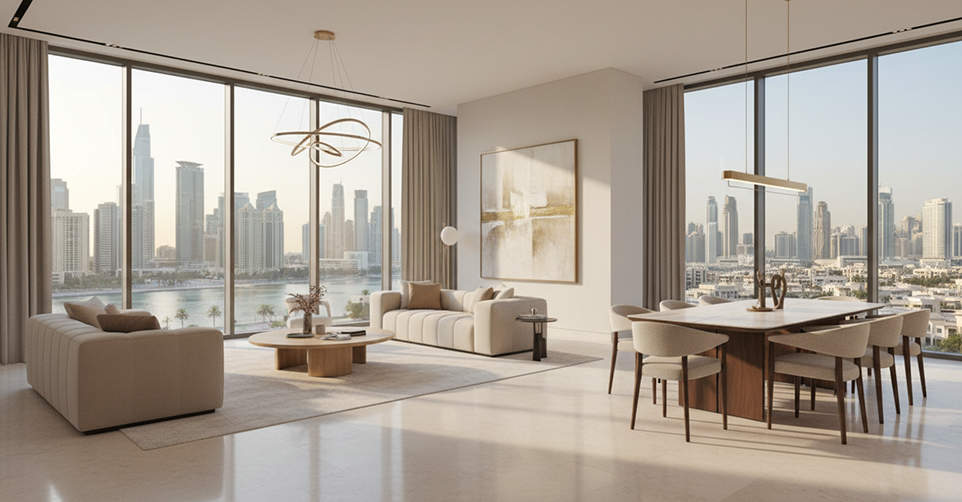
How Can Interior Design Improve a Property's Value?
Where the Value Actually Comes From
The value of professional design becomes visible once a property enters the market. Thoughtfully designed homes can achieve around a 10–20% higher valuation than comparable properties with standard finishes. Buyers respond to homes that feel complete, practical, and ready to occupy, reducing the need for immediate renovation after purchase. An interior designer creates that advantage through informed planning long before a property reaches the market.
Where an Interior Designer Helps You Avoid Overspending
Hiring an interior designer in Dubai also means knowing which upgrades are unlikely to increase your property's value. Features such as decorative cabinet profiles, premium handles, or trendy paint colours can make a home look different, yet they rarely influence resale price or rental appeal in a meaningful way. An experienced designer helps you avoid spending heavily on low-impact details, keeping the investment focused on improvements that buyers and tenants are more likely to value.
Is Luxury Interior Design Worth the Cost?
Emotional Decisions, Rational Returns
Luxury property purchases rarely rely on floor plans and specifications alone. Buyers form an impression within minutes of entering a home, influenced by the quality of the kitchen, the experience of the living areas, the comfort of the master suite, and the consistency of finishes throughout the property. An experienced interior designer in Dubai plans these details with the expectations of high-value buyers in mind, helping a property present itself at its strongest. That first impression can translate into measurable financial outcomes. For owners investing in high-value real estate, hiring an interior designer becomes a strategic decision aimed at protecting and strengthening the property's market position.
Prime Locations, Higher Stakes
Luxury communities such as Palm Jumeirah, Emirates Hills, and Jumeirah Golf Estates attract buyers and tenants with high expectations. In these markets, properties compete on quality, functionality, and presentation as much as location. An interior designer helps direct the renovation budget towards improvements that carry greater market influence, identifying opportunities that justify investment and avoiding expenditure on upgrades with limited financial impact. In the luxury segment, thoughtful budget allocation carries greater significance because even small planning decisions can influence a property's overall market appeal.
Does Interior Design Affect Rental Yield, Not Just Resale?
This question sits at the centre of the decision to hire an interior designer in Dubai. Rental performance in the city follows tight ranges, with average gross yields around 6.3–6.7%, apartments often reaching 7–7.15%, and villas averaging 4.5–5%. At this level, tenants compare listings closely during viewings, focusing on how the space works in real life; layout efficiency, storage, lighting, and how practical each room feels during use.
An interior designer from Rayfitout shapes these outcomes before the property reaches the market. Better-planned layouts improve usable space, built-in storage reduces clutter, and durable finishes in kitchens and bathrooms reduce hesitation during viewings. These factors can shorten the time between tenants and reduce rental negotiation pressure, leading to more consistent occupancy and steadier annual rental income.
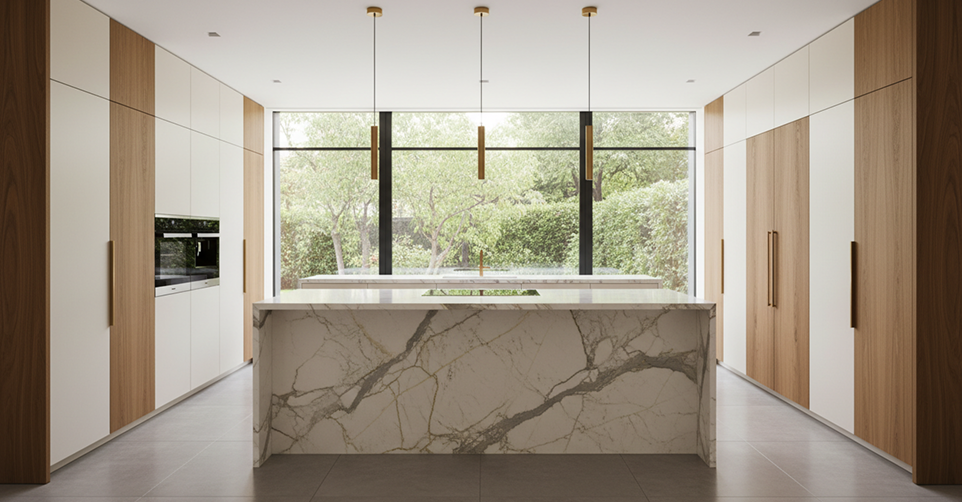
Is Hiring an Interior Designer Worth It in Dubai?
Local Regulation Knowledge as a Value-Add
Interior work in Dubai requires coordination with Dubai Municipality (DM), DEWA requirements, and community or master-developer approvals from authorities such as Emaar or Nakheel. Each stage depends on correctly prepared drawings, material schedules, and contractor documentation before site work is allowed to proceed. An established interior designer in Dubai manages these submissions as part of the process, ensuring documentation is prepared in line with approval requirements and reducing the risk of rejected applications, repeated revisions, or stalled timelines.
Climate-Adapted Design Is a Dubai-Specific Skill
Dubai's climate places constant pressure on interior materials due to heat, humidity, and continuous air-conditioning cycles, which can lead to expansion, surface wear, or reduced lifespan if materials are not selected correctly. Airflow planning also affects comfort across open layouts and larger villas. Rayfitout selects materials such as moisture-resistant joinery boards, heat-stable stone surfaces, and durable finishes designed for long-term performance under local conditions, helping maintain property condition and resale confidence over time.
Designing for How Dubai Buyers Actually Shop
Buyer expectations in Dubai continue shifting toward interiors that prioritize restraint, material quality, and spatial clarity rather than heavy decorative detailing, with “warm minimalism” and “quiet luxury” becoming dominant preferences in premium communities. Rayfitout aligns design decisions with this behaviour by focusing on proportion-led layouts, consistent material selections, and clean spatial planning that reflects how buyers evaluate properties during viewings, supporting stronger market response at resale.
Why Interior Design Adds More Value in Dubai Than Many Other Markets
Dubai's property market responds strongly to design-led decisions because buyers and tenants review homes quickly during viewings. In prime communities, layout clarity, material condition, and overall presentation influence pricing outcomes alongside location. This creates a direct link between interior design and property performance in resale and rental markets.
Market outcomes in Dubai's prime residential segment show 15-25% resale uplift in well-designed homes, with luxury villas and premium apartments also reflecting a 10-25% value range tied to design-led upgrades.
- Buyer behaviour impact: Buyers often decide during first viewings, so kitchen quality, layout flow, and master suite presentation carry strong influence on value.
- Climate Durability Advantage: Dubai's heat, humidity, and constant air-conditioning affect how long interiors maintain condition.
- Material performance risk: Poorly selected materials can show early wear such as fading, swelling, or surface damage.
- Durable material choices: Climate-suitable materials like moisture-resistant joinery, heat-stable stone, and engineered finishes stay in good condition for longer.
- Long-term outcome: Homes retain a well-maintained appearance over time, supporting stronger buyer confidence at resale.
What Actually Drives ROI: The Design Decisions That Matter Most
This section focuses on how interior designers allocate budget across a property in Dubai, prioritising areas that influence resale value and rental performance rather than surface-level visual upgrades.
- Kitchens First: Up to 80% of kitchen investment can be recovered at resale, with broader kitchen upgrades contributing around 10-15% property value uplift. Strong outcomes come through bespoke joinery, where custom cabinetry improves storage efficiency, increases usable space, and creates a cleaner layout that supports stronger buyer perception during viewings.
- Bathrooms and Master Suites Second: Master bathrooms and suite areas follow kitchens in priority due to their impact on property pricing in high-demand areas such as Dubai Marina, Downtown Dubai, and Palm Jumeirah. Walk-in showers, double vanities, integrated storage, and durable surfaces contribute to stronger buyer interest and clearer perceived quality during inspections.
- Where Not to Overspend: Decorative hardware, paint colour selection, and ornamental detailing carry limited impact on resale value in Dubai compared with core planning decisions. These elements rarely influence final pricing outcomes once a property meets expectations for layout, kitchen quality, and bathroom condition.
- Stronger ROI focus: Budget delivers better returns when directed toward layout improvements, durable materials, kitchen planning, and lighting design rather than surface decoration.
How Rayfitout Approaches ROI-Driven Design
Experience That Answers the “Worth It” Question
Rayfitout brings 37+ years of experience across Dubai and Abu Dhabi, focused on residential projects where design decisions directly affect resale value, rental performance, and overall investment outcome. The process treats interior design as a financial decision, including layout planning, material selection, and space usage with clear attention to property value impact rather than visual output alone.
A Structured Design-to-Delivery Process That Protects Investment
Projects follow a turnkey design-build workflow that includes concept development, technical drawings, authority submissions, material selection, bespoke joinery production, procurement, and site execution. Dubai Municipality, DEWA, and community approvals are prepared in advance to prevent delays during construction. Work sequencing across electrical, plumbing, ceilings, and joinery is planned early to reduce rework and cost escalation once site work begins.
Execution Control Through Joinery and Supplier Systems
Direct supplier relationships and in-house joinery production support accurate delivery of kitchens, wardrobes, and built-in storage without gaps between specification and fabrication. This level of control keeps execution consistent with the planned scope, especially in areas that influence property value perception during resale or rental. For homeowners evaluating the decision behind hiring support, Rayfitout's interior design service in Dubai focuses on structured delivery that contributes to measurable property outcomes.
Frequently Asked Questions
How do I know if hiring an interior designer in Dubai is worth the cost?↗
The decision usually comes down to outcomes rather than upfront spend. A structured design process affects resale value, rental demand, and construction efficiency. This blog breaks down where value is created, where money is lost during execution, and how design decisions influence overall property performance in Dubai.
What financial difference does an interior designer actually make to a property in Dubai?↗
Financial impact shows up through resale positioning, rental pricing strength, and reduced rework during construction. In Dubai's market, well-planned interiors commonly influence 10-20% value shifts, with stronger outcomes in villas and premium apartments. The article explains which design decisions contribute to that difference.
Is hiring an interior designer useful if I'm not planning to sell my property soon?↗
Yes, because rental performance in Dubai depends heavily on layout efficiency, durability, and presentation during viewings. A professionally planned interior helps reduce vacancy periods, supports stronger tenant interest, and improves long-term income stability. The blog explains how rental yield connects to design decisions.
What mistakes make DIY or contractor-led renovations more expensive in Dubai?↗
Most cost escalation comes from sequencing errors, approval delays, and material changes during construction. Adjusting layouts after installation, missing DM or DEWA approvals, and incorrect material ordering can add high cost and time. This article breaks down where those losses typically occur.
What should I look at before deciding on an interior designer in Dubai?↗
Key factors include experience with Dubai approvals, understanding of material performance in local climate conditions, and ability to manage full execution from drawings to site delivery. The blog explains how these factors affect ROI, project control, and long-term property value.
How much does it cost to hire an interior designer in Dubai?↗
Costs vary based on scope, property type, and level of execution required, ranging from design-only consultations to full design-and-build delivery. For a clear breakdown of pricing structures and what affects cost in Dubai, refer to the detailed guide here: Interior Design Cost Guide in Dubai.

.png)