REACH US ON WHATSAPP

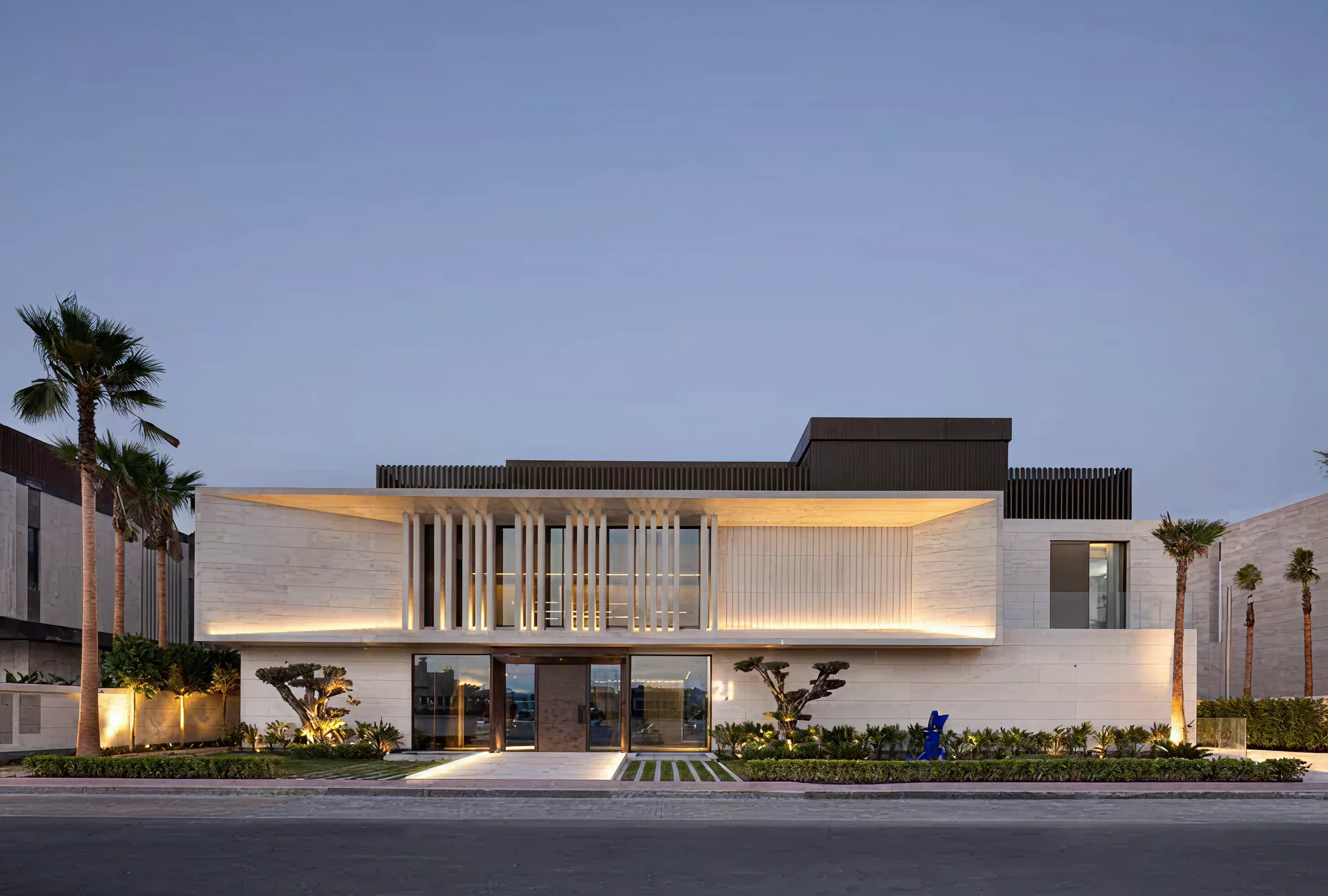

Contemporary architecture design in Dubai creates villas that feel modern, open, and connected to their surroundings. Rayfitout, an award-winning architecture firm in Dubai, focuses on layouts that make the most of natural light and privacy and designs inviting indoor and outdoor spaces. Courtyards, terraces, and pools are thoughtfully placed to create areas for relaxation and socializing. Living areas flow naturally, and special features like double-height rooms or striking entrances give the villa a sense of presence and character. The home is designed to suit the lifestyle of Dubai’s luxury residential communities.
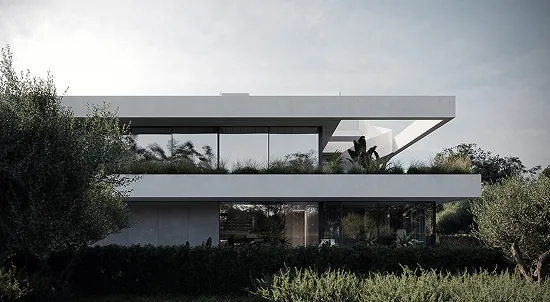
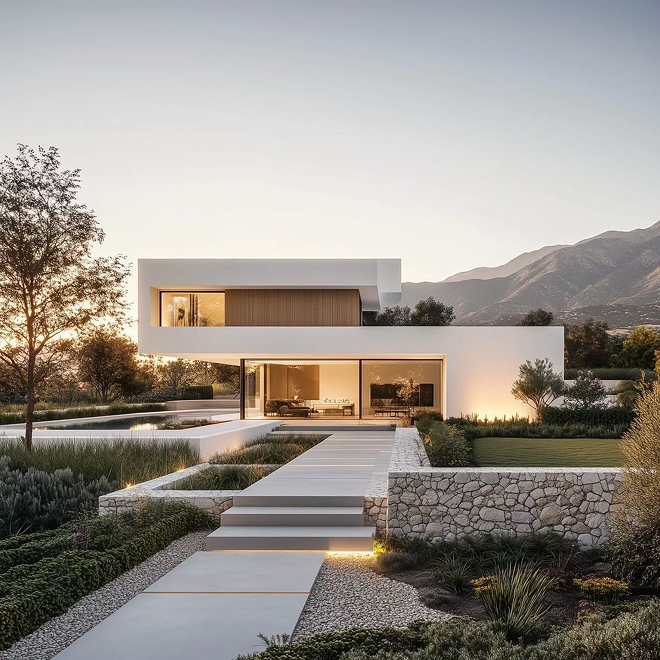
Our architects design villas using strong rectangular forms, flat roofs with concealed edges, and wide facade surfaces finished in natural stone. Entrance areas are defined with double-height volumes, creating a sense of arrival. Windows are placed deeper into the walls, with extended side frames and top projections that cast shade. Fixed vertical panels are added beside windows and balconies to limit direct views and reduce sun exposure. In premium communities such as Al Barari and Jumeirah Golf Estates, this delivers a strong architectural identity.
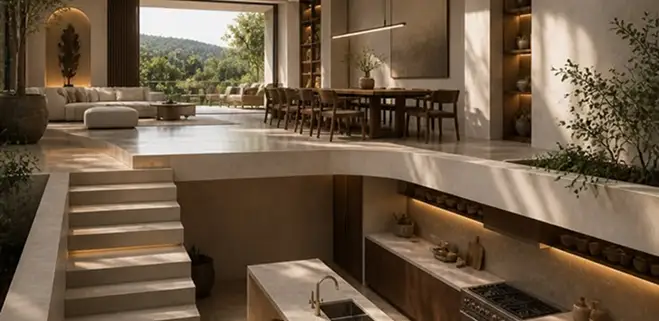
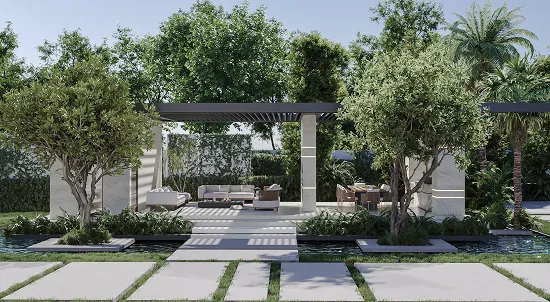
Rayfitout designs contemporary homes with large sliding glass doors that open living and dining areas directly to terraces and pools. Outdoor seating areas, shaded lounges, and private courtyards are planned as part of the home. Bedrooms and main spaces are connected to gardens, making the villa comfortable for daily living and hosting guests. Learn more about this concept in our blog, Seamless Indoor-Outdoor Living: The New Standard for Modern Villas.
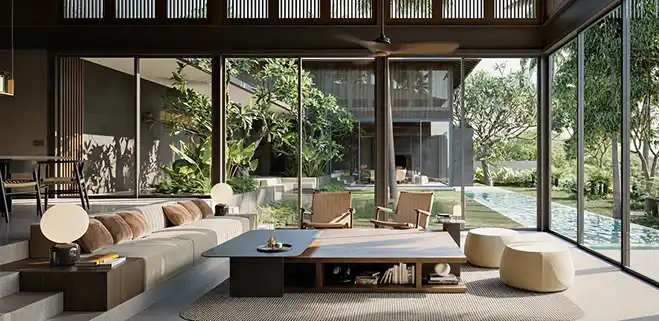
The design team plans contemporary villas in Dubai to stay cooler and more private. Shaded areas, deeper windows, and careful placement of openings reduce heat inside the home. Layouts are designed to limit direct views from nearby villas by using walls, courtyards, and the strategic placement of windows.
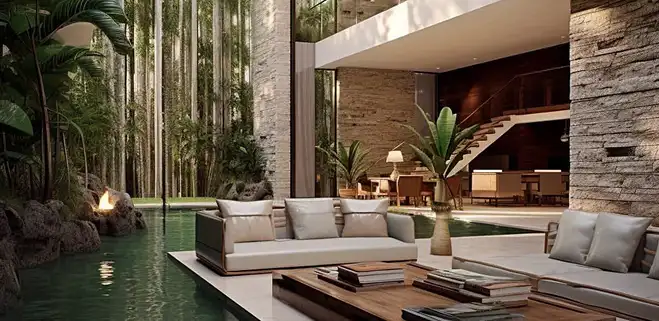
We design villas according to the requirements of high-end developments, helping avoid delays in approvals. In Al Barari, our experts focus on homes built around greenery, water features, and quiet outdoor spaces. In Jumeirah Golf Estates, our architects position main rooms and terraces to face open golf views.
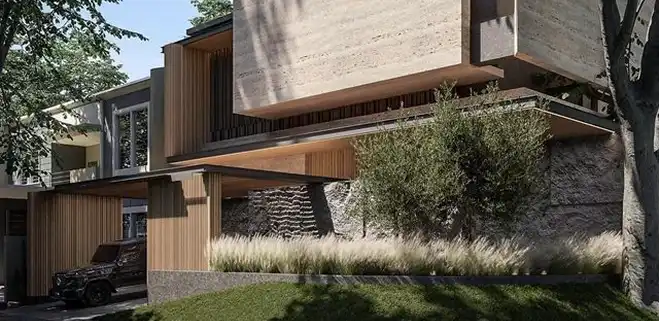
Our experts design villas that perform well in the market. Smart layouts, strong visual appeal, and quality materials help increase property value, improve resale potential, and maintain demand in Dubai’s luxury real estate market.
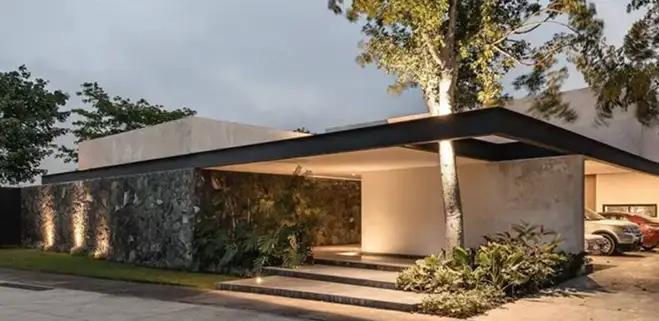
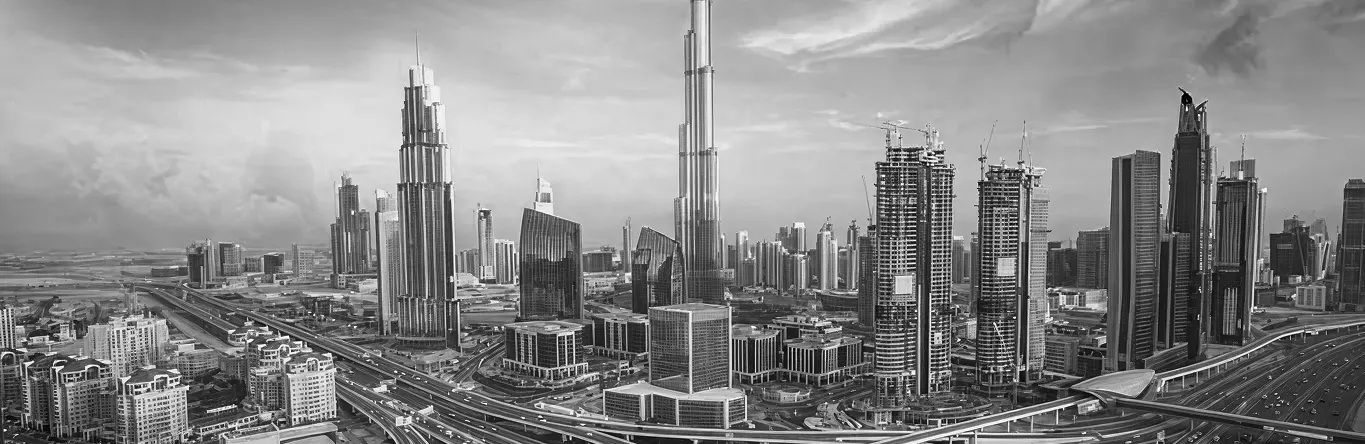
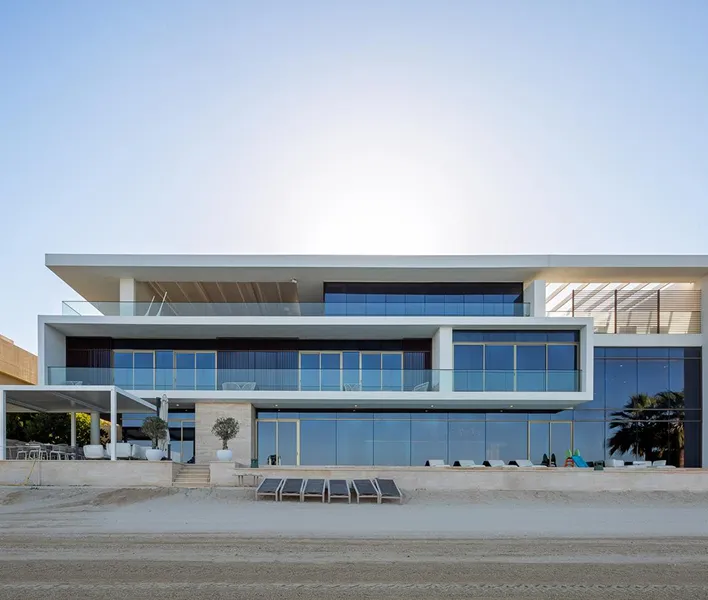
Contemporary vs Modern Architecture reflects two distinct architectural directions that shape villa design outcomes in Dubai’s luxury residential landscape. Contemporary architecture design responds to current conditions, allowing architectural planning to adapt to site constraints, lifestyle requirements, and regulatory frameworks. It develops through flexible spatial planning, contextual form-making, and integration of environmental considerations specific to the region. Modern architecture follows a defined historical framework rooted in minimal expression, structural clarity, and functional planning, with established principles that guide form and composition. In Dubai villa projects, contemporary design practice defines how architects interpret property owner’s briefs today, responding to evolving expectations in layout efficiency, spatial experience, and environmental performance, while modern architecture remains a reference point in architectural history and design theory.
Site planning starts with studying the plot size, road access, and neighbouring villas. We position the villa to protect privacy and keep the main living spaces from direct overlooking. The design team places key rooms to avoid strong afternoon sun and to capture softer morning light. Gardens, courtyards, and pools are planned early so they connect naturally with living and dining areas and support everyday movement through the home.
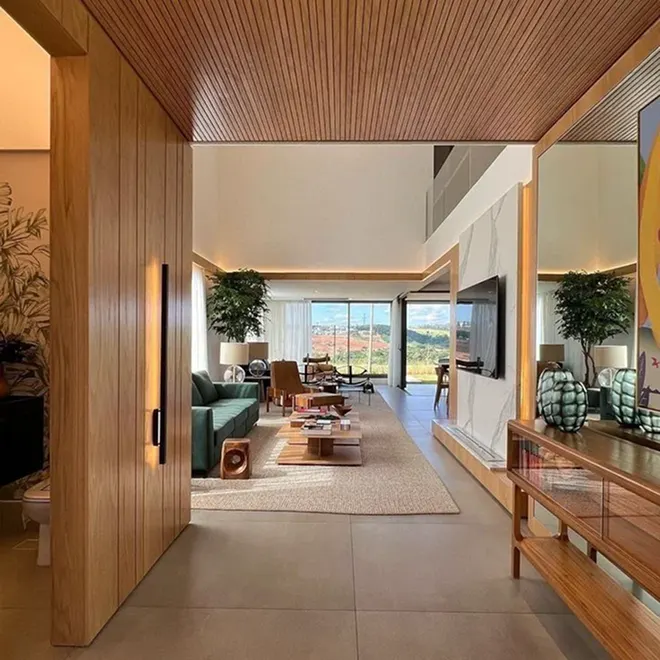
We tailor the villa by stacking and shifting building volumes to create outdoor terraces and covered seating areas. Entry spaces are designed taller to give a sense of arrival. Our architects set upper floors back in selected areas to reduce bulk and create usable terrace space for bedrooms. Our team designs layouts thoughtfully so private rooms sit away from parking and service zones, keeping the villa easy to use.
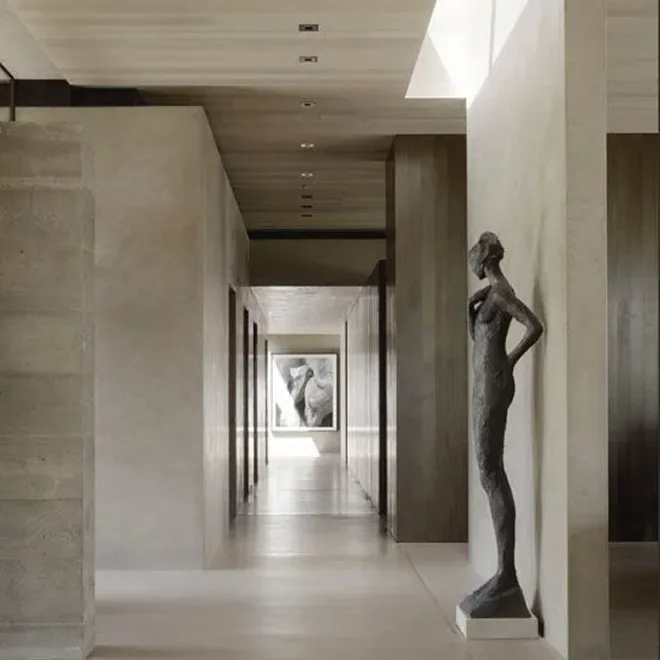
As a leading interior designer in Dubai, Rayfitout creates facade designs that strategically position windows and walls to enhance comfort, privacy, natural light, and architectural appeal. Our approach reduces window sizes on harsh sun-facing sides while opening up garden-facing elevations. Shaded overhangs are added above openings to control heat and glare. We also introduce vertical screens near balconies and stair areas to reduce visibility from neighbouring villas while still allowing natural light inside.
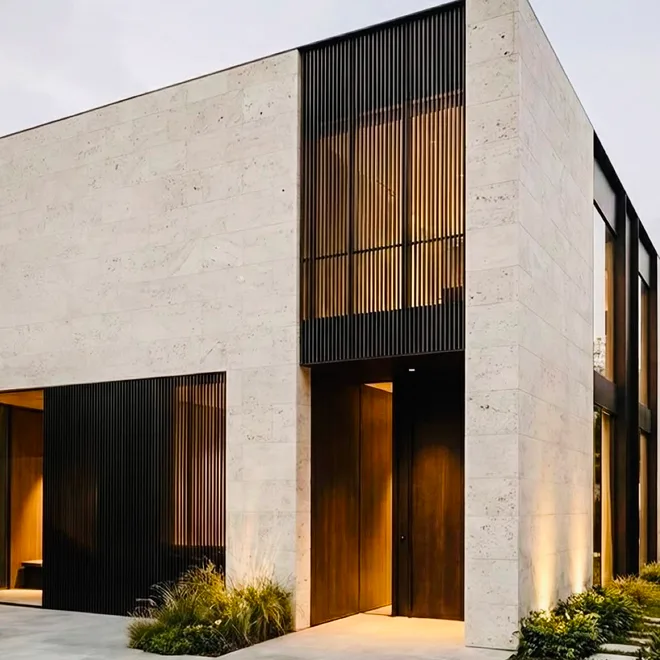
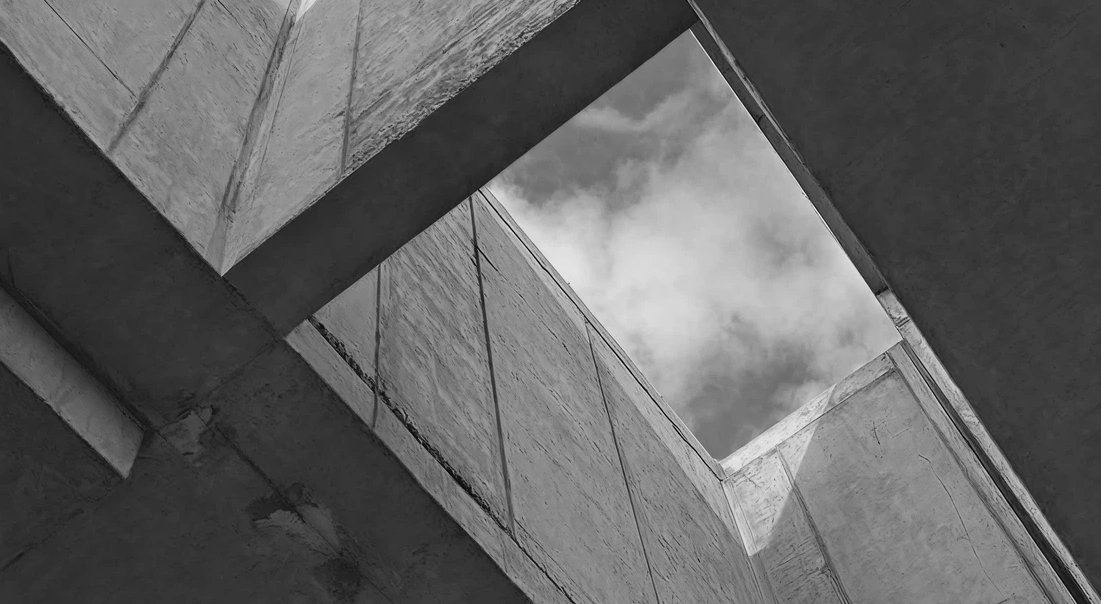
Roofs are designed as flat surfaces with hidden service areas like AC units and water tanks kept out of sight. We allocate part of the roof for outdoor seating and relaxation areas. Shaded pergolas and planter edges are added to improve privacy and usability. Skylights are positioned above stairs and corridors to bring natural light into interior spaces that do not have windows.
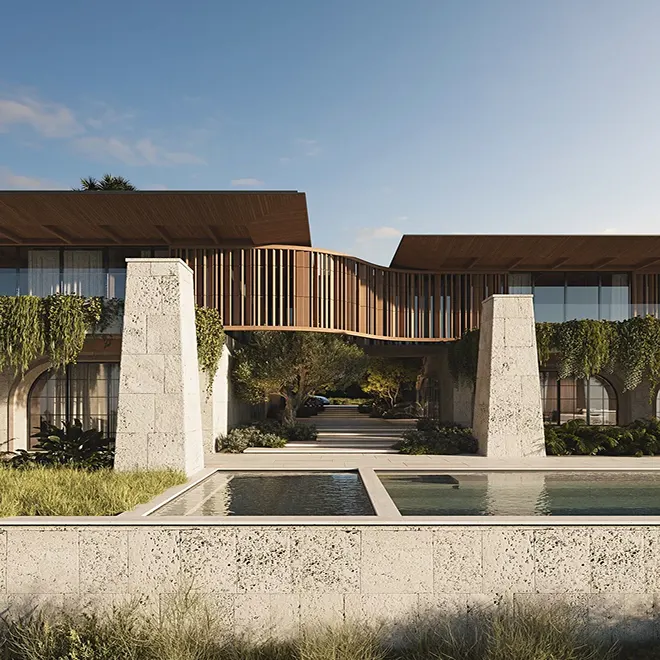
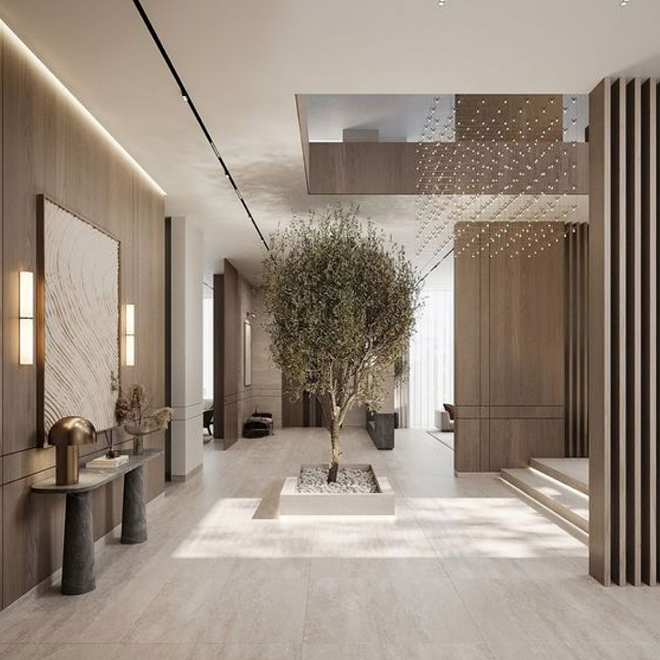
Grand entrances begin with oversized pivot doors that form a strong architectural focal point upon arrival. We design entry routes with framed walkways, secured gates, and layered access points that guide movement toward the main door. Arrival zones include open forecourts and sheltered entry porches, setting a structured arrival to the interior foyer.
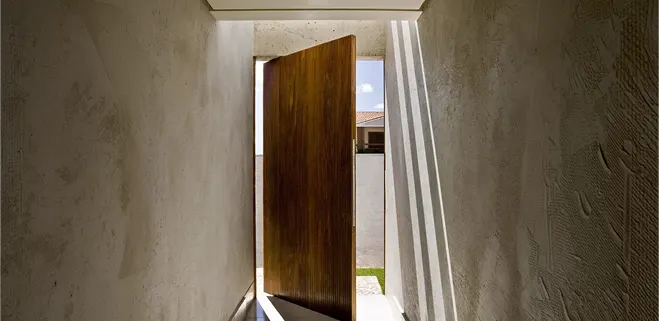
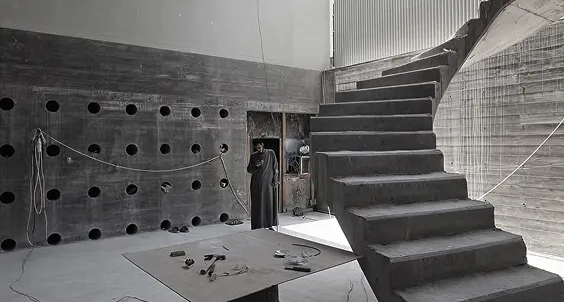
Staircases are placed within double-height spaces as visible architectural features within the villa. Our architects tailor them using marble or travertine stone treads, bronze metal detailing, and glass balustrades to express material clarity and structure. Natural light enters through overhead openings or side apertures, allowing the staircase to become a defining feature in the main living space.
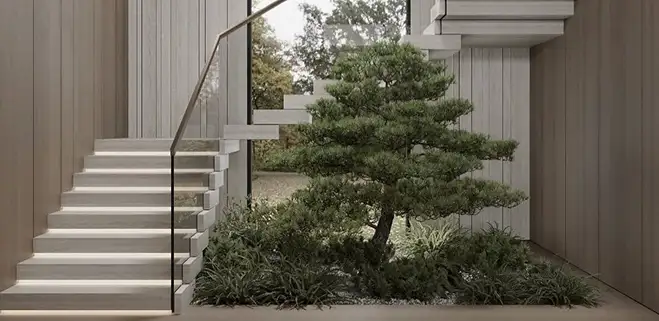
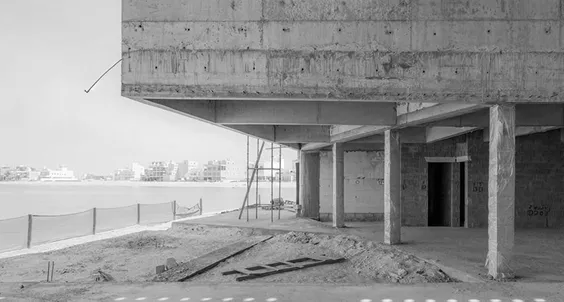
Upper volumes extend outward to form shaded outdoor seating areas and covered entrances. We position these projections to reduce visual weight across the façade and create usable external spaces beneath them. Cantilevers are integrated into the main building form, aligned with structural planning so they feel incorporated within the overall architecture design.
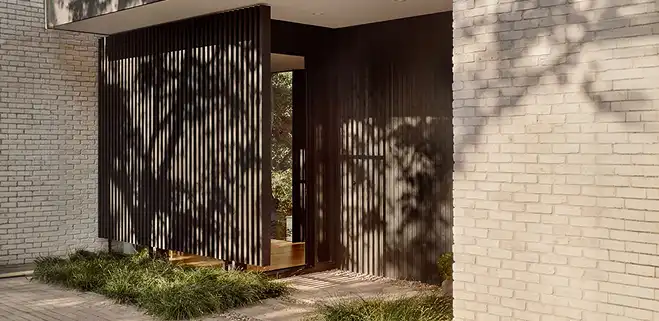
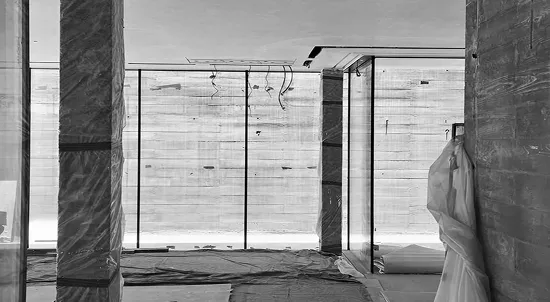
Large glazing systems open living spaces directly toward gardens, pools, and courtyards. Our team places these openings to frame selected outdoor views, supporting a direct connection between interior rooms and external living zones. High-performance glazing is specified to manage heat gain and maintain interior comfort under Dubai’s conditions.
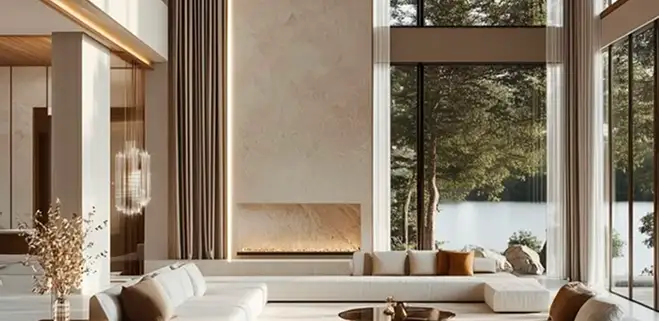
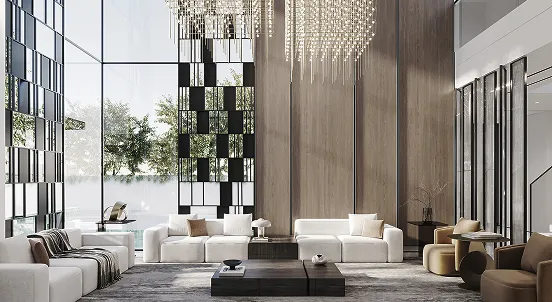
Courtyards are placed at the centre of the villa, bringing daylight and fresh air into the core spaces without exposing private areas. Our architects use open vertical spaces to connect different floors, allowing views through the home and pulling light deeper inside. Double-height living areas are planned for main gathering spaces, giving living rooms a stronger sense of scale and presence within the house.
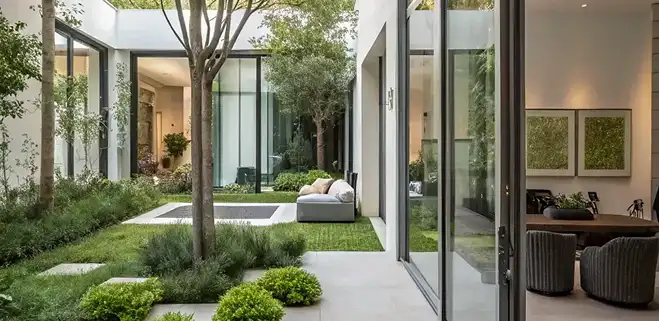
As a turnkey architecture firm in Dubai, Rayfitout begins with a detailed study of the site, including access points, surroundings, and plot conditions. Early zoning diagrams help define how private and social areas are placed within the villa. Our team develops massing studies to explore volume, height, and overall form, shaping how the building sits on the land. Initial facade direction and spatial layout are then developed to establish the architectural language and internal flow of the home.
At this stage, we refine the design into detailed floor plans, sections, and elevations that define every part of the villa. Our architects coordinate structure with complex forms such as cantilevers, double-height spaces, and large open spans. Mechanical, electrical, and plumbing systems are integrated into the design early, ensuring they fit naturally within walls, ceilings, and service zones without affecting architectural intent.
We manage submissions to Dubai Municipality and coordinate directly with master developers such as Emaar and Nakheel. Each design is aligned with villa community regulations, including height limits, setbacks, and facade requirements. Our team ensures all documentation is prepared accurately to support a flawless approval process.


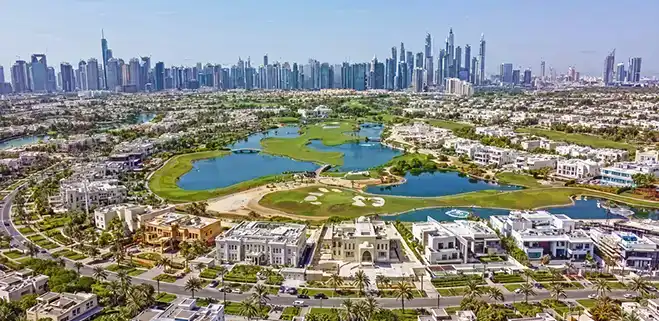
Large plots in Emirates Hills allow villas to expand across wider footprints with layered volumes and varied building forms. Our architects design with generous setbacks, boundary walls, and thoughtfully placed openings to maintain strong privacy across all levels of the home. Facades carry a more expressive architectural presence, supported by scale, proportion, and controlled openness. Each design is developed in line with community requirements and maintains a distinct architectural identity suited to the property owner’s vision.

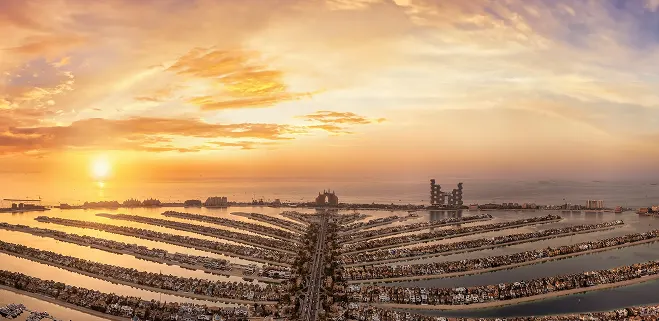
Waterfront plots in Palm Jumeirah influence how each villa is oriented toward sea views and shoreline access. Our design team positions the main living areas, terraces, and bedrooms to face the water, creating a direct visual and spatial connection to the coastline. Large glazed openings, extended terraces, and projecting volumes support outdoor living close to the edge of the water. All designs follow Nakheel regulations and coastal building requirements to ensure full compliance.
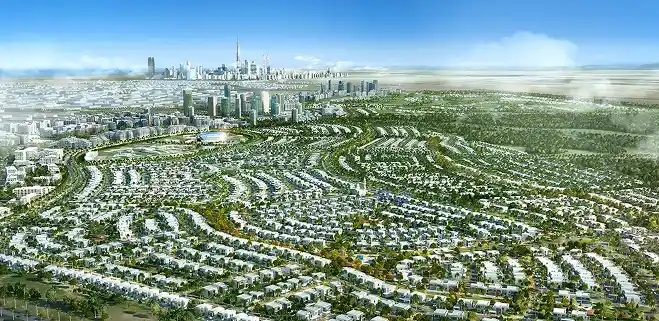
Within Dubai Hills Estate, plots require efficient planning within defined building limits and community guidelines. We structure villas with clear zoning between private and social areas, ensuring practical layouts suited to family living. Façade composition follows neighborhood standards and maintains a modern architectural identity. Approvals are coordinated through Emaar with a structured process that ensures alignment with all regulations.
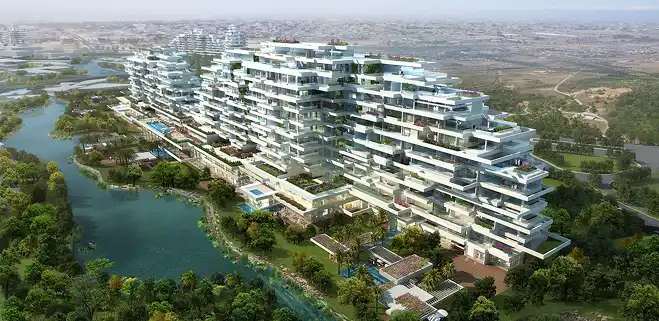
In Al Barari, contemporary architecture design is tailored by dense greenery, water features, and landscaped surroundings. Our team integrates courtyards, shaded outdoor areas, and internal gardens into the core of the villa design. Layouts are developed to protect privacy and allow natural light to reach internal spaces. The design approach follows low-density planning principles with strong attention to environmental context and outdoor living.
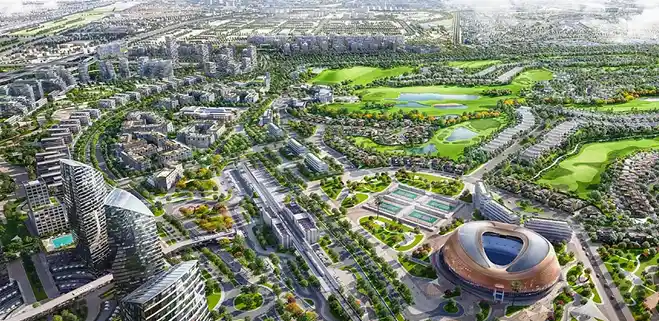
In Jumeirah Golf Estates, villa orientation is guided by golf course views and open landscape corridors. Our architects position terraces, balconies, and glazing to capture wide green vistas across the fairways. Design language ranges from typical contemporary architecture to hybrid interpretations, tailored within community regulations. All proposals are coordinated with developer guidelines to ensure approval and consistency across the neighborhood.
Rayfitout offers contemporary architecture design tailored by real project experience across Dubai’s premium residential communities. Our architects handle complex plots, large-scale villas, and high-end residences that demand strong planning, clear spatial logic, and refined architectural direction. Each project is developed with attention to how people live, host, and move through space, ensuring the villa responds directly to lifestyle expectations in the luxury segment.
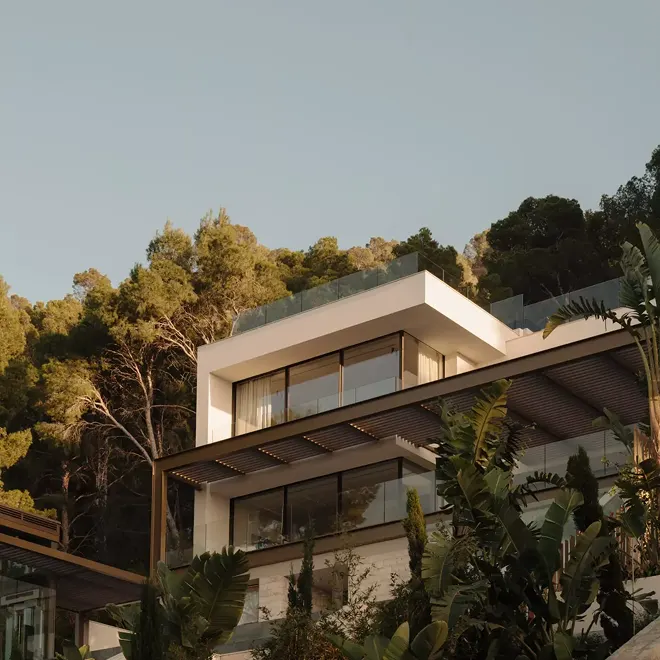
As a trusted architecture firm in Dubai, we work closely with Dubai Municipality requirements and master developer guidelines across key communities. Our team manages design compliance for height limits, setbacks, facade controls, and material approvals with precision in execution. Experience with developers such as Emaar and Nakheel allows flawless coordination during approvals, reducing delays and maintaining design intent through regulatory stages.
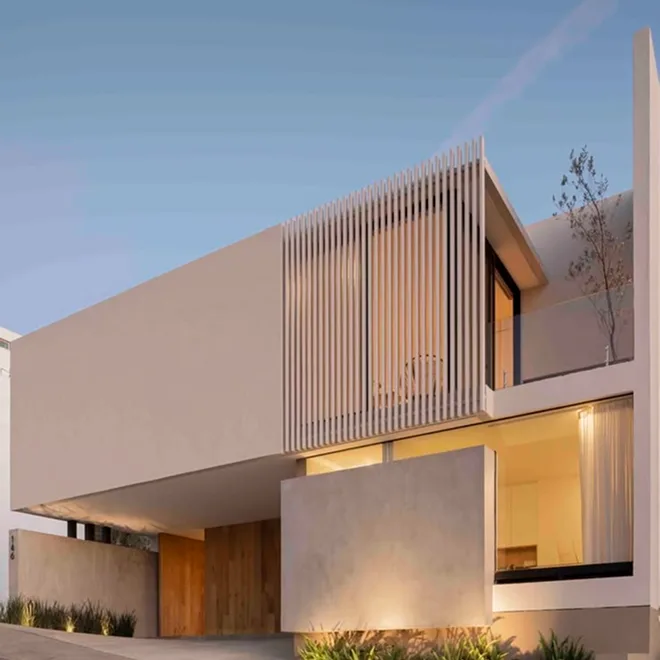
The contemporary villa begins with a clear understanding of the owner’s brief, lifestyle, and long-term vision for the home. Our architects develop design directions that reflect personal priorities such as privacy, entertainment, and family living. The process remains collaborative, with regular design reviews and adjustments to ensure the final outcome aligns with expectations. The decision is guided by practical use, visual clarity, and long-term value within Dubai’s luxury residential market.
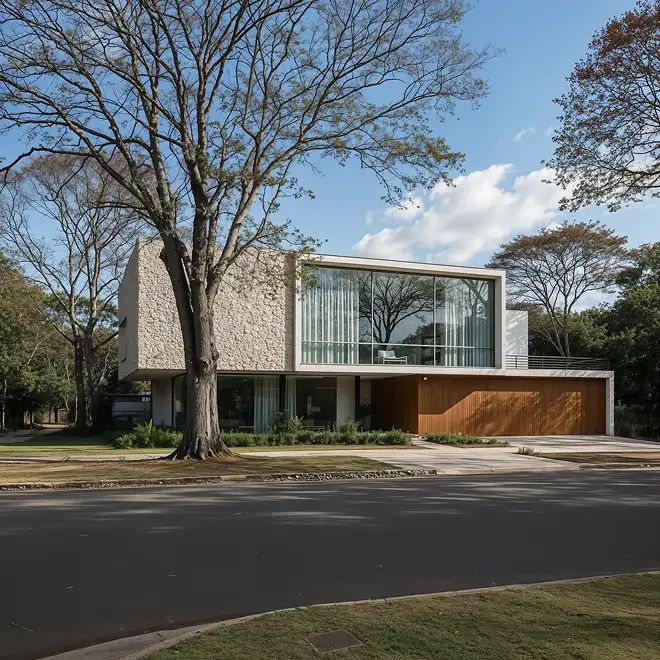
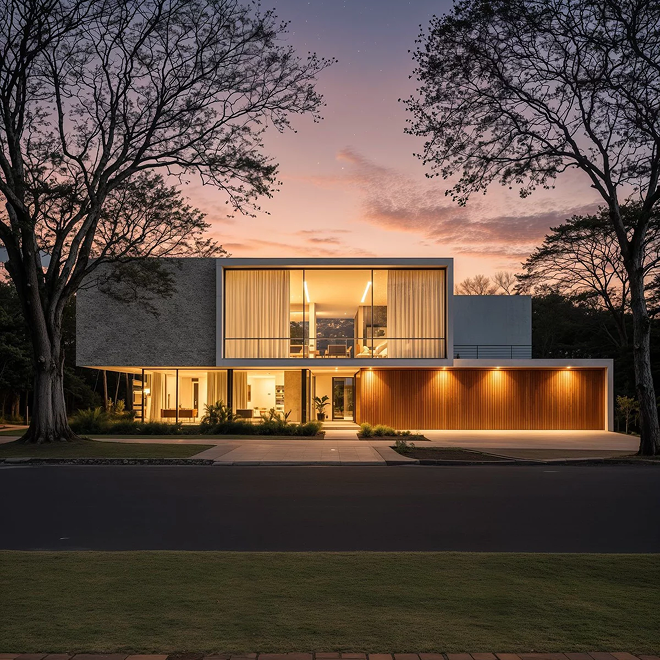
Design cost depends on the built-up area and number of levels, as larger villas require more detailed planning and coordination across spaces. Structural complexity also influences effort, especially when projects include cantilevers, long spans, and open double-height areas. Facade detailing plays a major part as well, particularly when natural stone, bronze metal elements, and high-end glazing systems are specified across elevations. In Dubai’s luxury villa market, architectural design fees typically range from AED 120 to AED 350 per square meter, depending on complexity, level of detailing, and scope of consultancy.
The design scope typically covers the full journey from concept development through to construction drawings. This includes spatial planning, facade development, and technical coordination for execution on site. Our experts also manage authority approvals and coordination with entities such as Emaar and Nakheel, ensuring compliance with community regulations. Site supervision and architectural oversight are included to maintain consistency between design intent and built outcome. In premium villa developments across Dubai, comprehensive design packages are commonly aligned with projects where total construction values often begin from AED 4 million and can exceed AED 25 million, depending on plot size and specification level.
Construction cost is directly influenced by architectural decisions made during design. Larger open spaces, complex structural elements, and high-end finishes increase build requirements. The use of premium materials such as natural stone, bronze detailing, and high-performance glazing also impacts overall cost. Landscape integration, including pools, courtyards, and outdoor living areas, adds another layer of execution that must be coordinated with the main architectural works. In Dubai’s high-end villa segment, construction costs typically range from AED 3,500 to AED 8,500 per square meter, with waterfront and custom-designed villas in communities such as Palm Jumeirah, Emirates Hills, and Jumeirah Golf Estates reaching the upper end of this range.
Contemporary villa design in Dubai focuses on clear layouts, open living spaces, and strong connections to outdoor areas like courtyards, terraces, and pools. Rayfitout designs contemporary homes that respond to the local climate, privacy needs, and lifestyle expectations, ensuring each villa feels practical for daily living while maintaining a strong architectural identity.
The timeline depends on the size and complexity of the villa, along with approval stages. On average, the full design process from concept to construction drawings can take several weeks to a few months. Rayfitout manages each stage thoughtfully, including design development and authority coordination, to keep the process clear and structured.
Yes, all villa projects in Dubai require approval from authorities such as Dubai Municipality and relevant master developers. Rayfitout prepares detailed drawings and documentation to meet these requirements, ensuring the design aligns with community guidelines and passes through approvals smoothly.
Key factors include plot size, orientation, privacy requirements, and lifestyle needs. Rayfitout also considers climate conditions such as heat and sunlight, along with community regulations, to create layouts that support comfort, privacy, and efficient use of space.
Rayfitout brings experience in designing luxury villas across Dubai’s key residential communities. The focus is on creating functional layouts, strong architectural identity, and well-planned living spaces that suit both family life and entertaining, while ensuring smooth coordination with approvals and construction requirements.